Canadian Police Rescue 23 Ice Anglers from Georgian Bay
Canadian police rescued 23 ice anglers from a detached ice floe on Georgian Bay, Ontario, after warm weather caused ice instability.
Ayla Demirhan ·
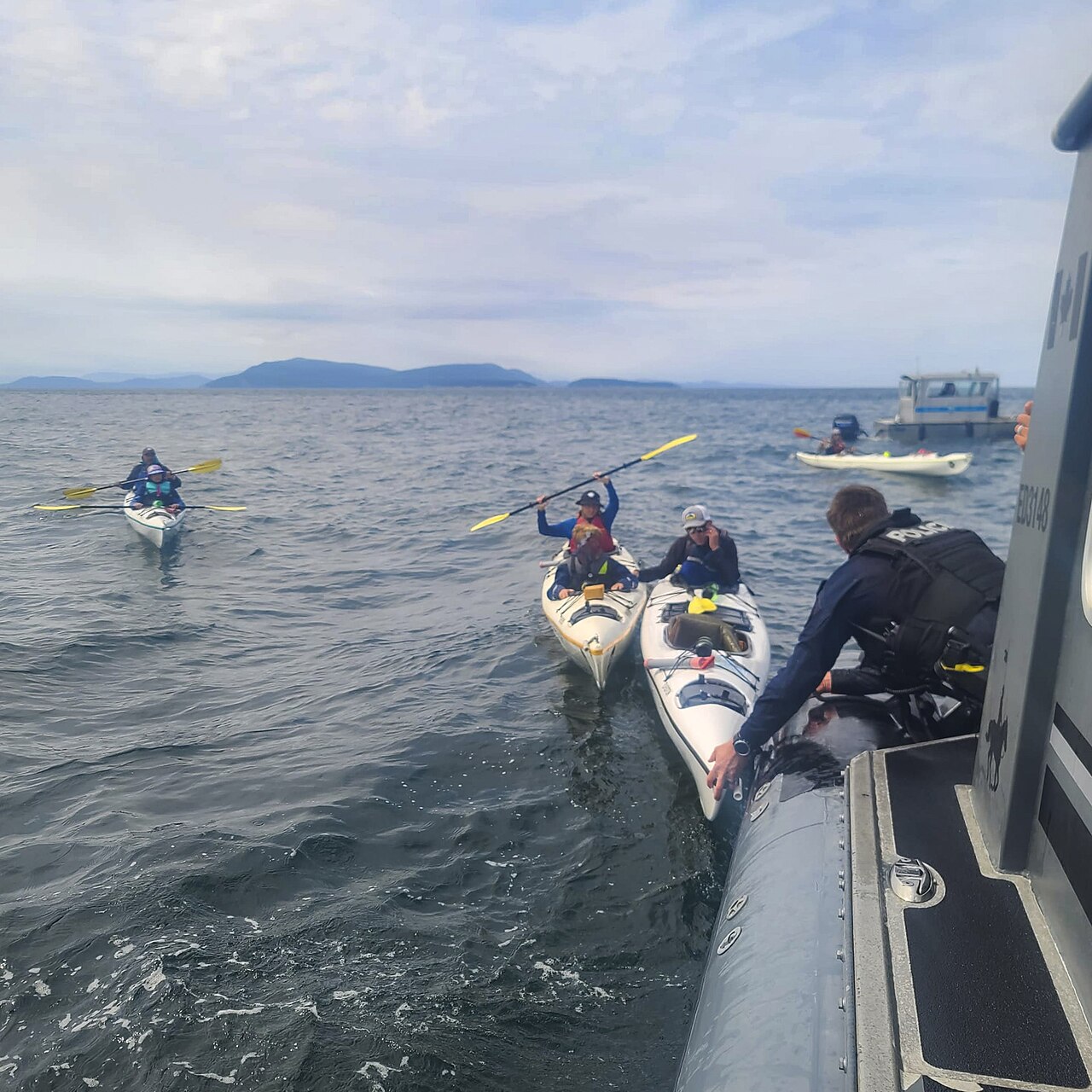
Twenty-three ice anglers, including several families, were successfully rescued on Sunday from a detached ice floe on Georgian Bay in Ontario, Canada. The operation, which lasted two hours, involved multiple air assets deployed by the Ontario Provincial Police (OPP) to extract the individuals from the hazardous ice formation.
Authorities confirmed that two helicopters and one air ambulance were utilized in the rescue effort. The incident unfolded after unseasonably warm temperatures and strong winds contributed to a significant section of ice breaking away from the shoreline of Lake Huron, where Georgian Bay is located.
Unstable Ice Conditions Prompt Rescue
The anglers, who had been engaged in ice fishing activities, became aware of their perilous situation when their electronic devices registered movement away from the shore. Initial attempts by the group to return to land were unsuccessful, as the ice had already separated at several points, creating an impassable gap.
During the unfolding event, three individuals became isolated on a smaller, separate ice fragment, further complicating the rescue logistics before the full extraction commenced. The rapid deterioration of ice stability underscored the dangers posed by fluctuating weather patterns.
Warnings Issued on Ice Safety
The Ontario Provincial Police have subsequently issued strong advisories against engaging in ice-related recreational activities. Officials emphasized the unpredictable nature of ice conditions, particularly on large bodies of water like Georgian Bay, when influenced by warmer temperatures and high winds.
This incident highlights the critical importance of exercising extreme caution and adhering to safety guidelines when venturing onto frozen lakes and rivers. Experts consistently warn that seemingly stable ice can rapidly become dangerous due to environmental factors, including temperature fluctuations, strong currents, and wind action, which can compromise structural integrity.
Broader Implications for Winter Recreation
The rescue serves as a stark reminder of the inherent risks associated with winter outdoor pursuits, especially as climate patterns lead to more variable weather. Such events place significant strain on emergency services and underscore the need for public awareness regarding ice safety protocols. Authorities routinely monitor ice thickness and issue warnings, but individual responsibility remains paramount for those participating in activities like ice fishing or skating.
Climate change is increasingly cited as a factor contributing to less predictable and more dangerous ice conditions across North America, making traditional winter activities riskier. This trend necessitates heightened vigilance and adherence to official safety advisories to prevent similar incidents in the future.
Implications
Country Impact: Canada's emergency services demonstrated effective coordination in a challenging environment. The incident prompts renewed public safety campaigns regarding winter recreation risks, particularly in regions experiencing variable weather patterns.
Industry Impact: The winter tourism and recreation industry, including outfitters and guides, may face increased scrutiny and potentially stricter regulations regarding ice safety. This could impact operational procedures and insurance costs for businesses reliant on frozen water activities.
Market Impact: While no direct market impact is evident, such events can indirectly influence local economies dependent on winter tourism. Increased public caution might lead to reduced participation in ice-related activities, affecting local businesses.