Tornadoes Cause Fatalities, Damage in Central U.S.
Eight tornadoes caused fatalities and extensive damage across the central U.S. last week, prompting a state of emergency in Michigan.
Ayla Demirhan ·
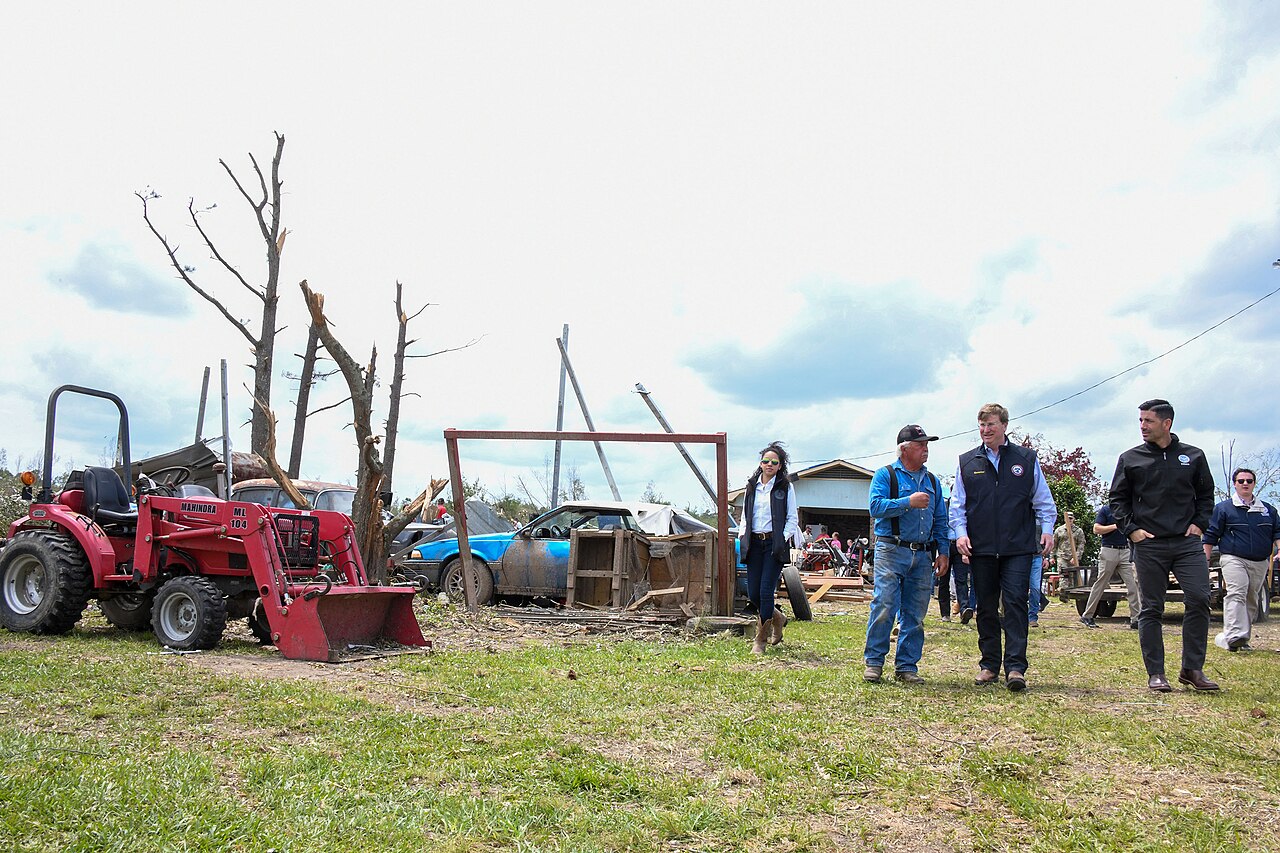
A series of powerful tornadoes swept across the central United States from Thursday to Saturday, resulting in at least eight deaths and widespread destruction. Michigan and Oklahoma bore the brunt of the severe weather, which included multiple high-intensity twisters. The National Weather Service confirmed that eight of the eighteen tornadoes recorded during this period reached EF2 or EF3 classifications, indicating wind speeds between 111 and 165 miles per hour.
Severe Weather Impact in Michigan
Michigan experienced significant devastation, particularly in Union City, where an EF-3 tornado with winds reaching 160 mph destroyed approximately 70 homes. This event contributed to the state's highest single-day tornado fatality count since 1980, according to data from the National Oceanic and Atmospheric Administration (NOAA). Four individuals were identified as victims in Michigan: William Andrew Akers, 63; Keri Ann Johnson, 54; Penni Jo Guthrie, 65; and Silas Anderson, 12.
Emergency Response and Broader Context
In response to the widespread damage and loss of life, Michigan Governor Gretchen Whitmer declared a state of emergency on Sunday. This declaration followed her assessment of the affected regions and aims to expedite recovery operations and provide necessary resources. The recent tornado outbreak follows earlier extreme weather events, including blizzards in the Northeastern United States, suggesting a broader pattern of intensified storm activity across various regions.
Historical Perspective on Tornado Activity
The recent events underscore the destructive potential of severe weather systems. , often referred to as 'Tornado Alley,' experiences a high frequency of such phenomena, particularly during spring and early summer. However, the intensity and geographical spread of recent storms have prompted discussions among meteorologists regarding potential shifts in weather patterns and the impact of climate change on storm severity and frequency.
The 1980 Michigan tornado season, for instance, saw several significant outbreaks, but a single event causing four fatalities is a rare occurrence for the state.
Economic and Social Implications
The economic impact of these tornadoes extends beyond immediate property damage, affecting local economies through business disruptions, agricultural losses, and the long-term costs of rebuilding infrastructure. Communities face the challenge of recovery, requiring substantial financial aid and volunteer efforts.
The human toll, marked by fatalities and injuries, also highlights the critical need for effective early warning systems and robust disaster preparedness strategies to mitigate future risks. The declaration of a state of emergency unlocks federal and state resources crucial for these recovery efforts, including aid for individuals and public infrastructure repairs.
Implications
Country Impact: The severe weather events highlight the increasing vulnerability of U.S. regions to extreme weather, prompting calls for enhanced infrastructure resilience and disaster preparedness. State emergency declarations will channel resources for recovery.
Industry Impact: The insurance industry faces significant claims from property damage, potentially impacting premiums and risk assessments in affected regions. Construction and rebuilding sectors will likely see increased activity in the short to medium term.
Market Impact: Local economies in affected areas will experience disruptions, with potential short-term negative impacts on small businesses and agricultural output. Government spending on disaster relief could provide some economic stimulus but also strain state budgets.