Large Tortoiseshell Butterfly Returns to UK
The large tortoiseshell butterfly has re-established itself in southern England after 60 years, increasing the UK's native butterfly species to 60.
Ayla Demirhan ·
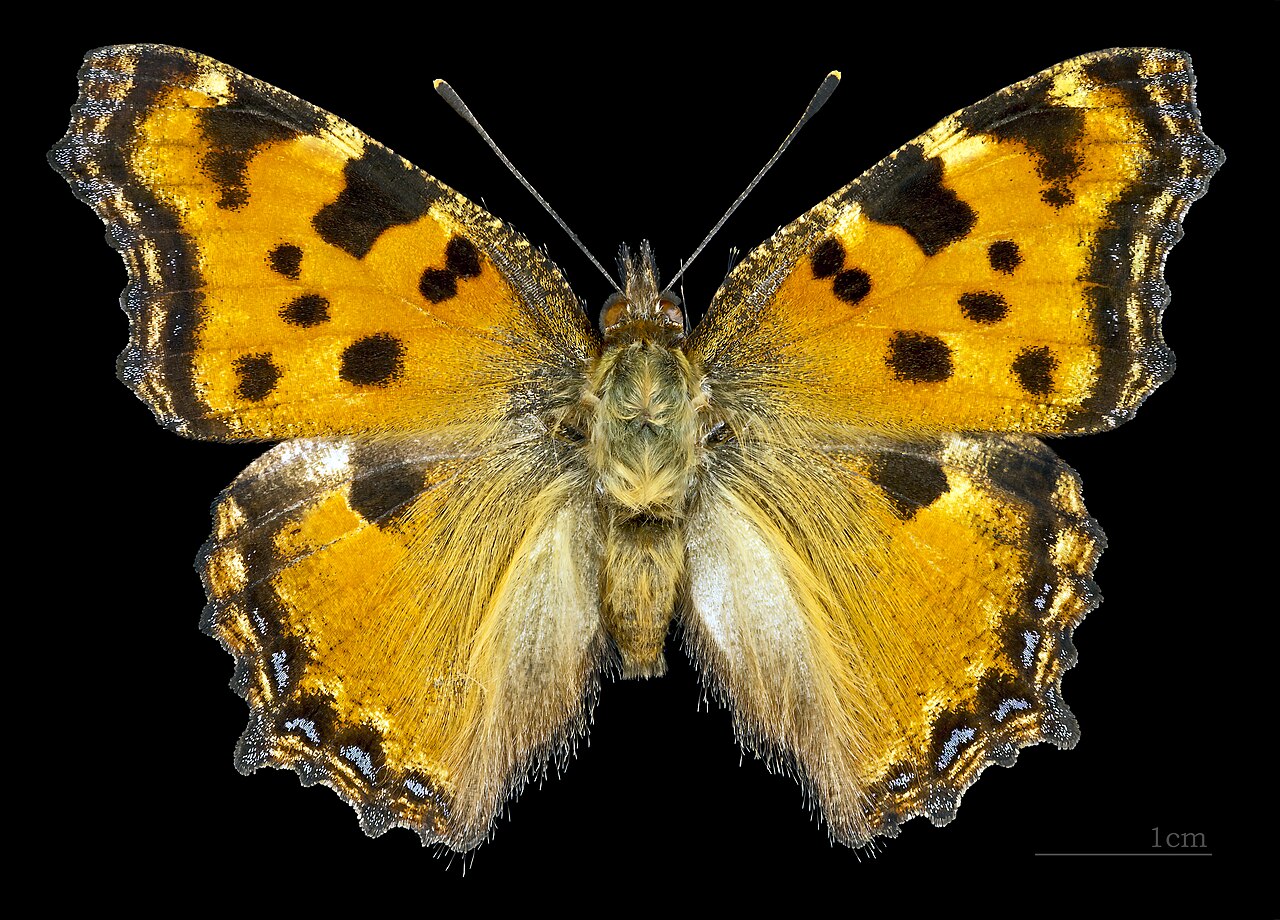
The large tortoiseshell butterfly (Nymphalis polychloros) has officially re-established itself as a resident species in southern England, marking its return after an absence of over six decades. This development increases the United Kingdom's native butterfly count to 60 distinct species. Sightings across Kent, Sussex, Hampshire, Dorset, Cornwall, and the Isle of Wight in early 2024 confirm the species' presence.
Climate Shifts Drive Re-establishment
Rising temperatures are identified as a primary factor facilitating the butterfly's migration from mainland Europe. Populations in neighboring countries, particularly the Netherlands and France, have also seen increases, providing a source for the recolonization. This ecological shift highlights the broader impact of climate change on species distribution.
Evidence of Successful Breeding
While earlier sporadic sightings were sometimes attributed to unauthorized releases by private breeders, recent observations provide stronger evidence of natural re-establishment. Since 2020, large tortoiseshell caterpillars have been discovered feeding on trees in the wild, initially in Dorset and subsequently in other southern English counties. This indicates successful breeding cycles are now occurring within the UK.
Historical Context and Life Cycle
The large tortoiseshell butterfly was last a thriving resident in Britain during the 1940s before its disappearance. The species typically hibernates through the winter as an adult butterfly, emerging in the spring to reproduce. Its life cycle involves laying eggs on various trees, with caterpillars developing before pupating and transforming into adult butterflies.
Ecological Implications and Monitoring
Conservationists view the return of the large tortoiseshell butterfly as a significant indicator of climate-driven ecological changes. The species' re-establishment provides an opportunity to study how environmental shifts influence biodiversity. Organizations are actively monitoring its population growth, geographical spread, and overall impact on local ecosystems.
This ongoing observation will be crucial for understanding the long-term viability of the species in its re-established habitat and for informing future conservation strategies in a changing climate.
Implications
Country Impact: The return of the large tortoiseshell butterfly signifies a notable shift in the UK's biodiversity, potentially indicating broader ecological changes influenced by climate. It offers a natural experiment for conservation efforts and climate adaptation strategies.
Industry Impact: The re-establishment could indirectly impact eco-tourism and wildlife observation sectors, potentially increasing interest in nature reserves and conservation areas in southern England. It also highlights the role of climate science in understanding species migration.
Market Impact: While direct market impact is minimal, the event underscores the increasing relevance of climate-related factors in various sectors, including agriculture and land management, as ecosystems adapt to changing environmental conditions.