Vietnam Seizes 1.2 Tonnes of Ivory at Quy Nhon Port
Vietnamese customs officials intercepted a 1.2-tonne elephant ivory shipment, containing 221 tusks, concealed in timber at Quy Nhon Port on August 6.
Lauren Collins ·
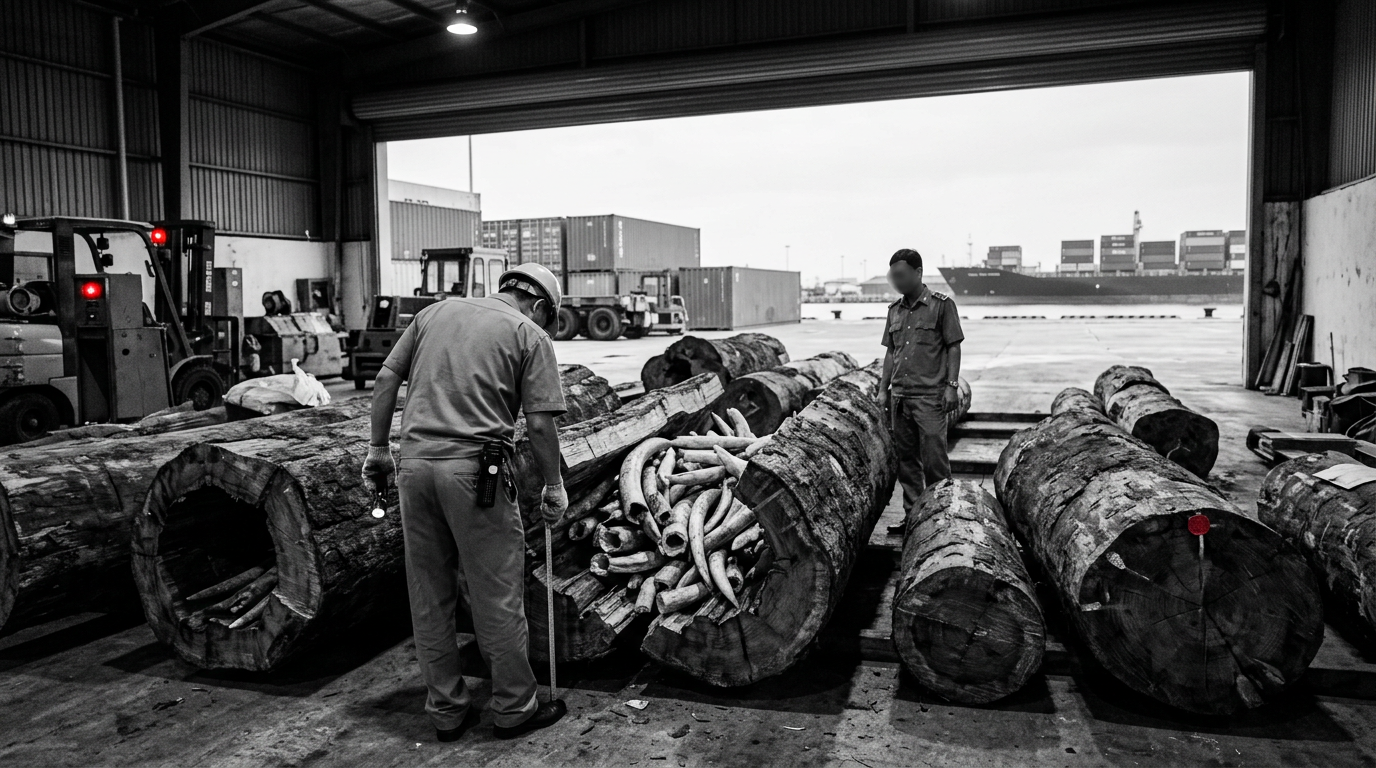
Customs officials in Vietnam successfully intercepted a significant illicit shipment of elephant ivory, weighing 1.2 tonnes, at Quy Nhon Port on August 6. The contraband, comprising 221 pieces of tusk, was ingeniously hidden within a timber consignment. This seizure represents the largest recorded at this specific port, highlighting the persistent and evolving operational capabilities of transnational criminal organizations involved in wildlife trafficking.
The intricate smuggling operation originated in the Congo River region and traversed a complex route, including transit points in Sri Lanka and Singapore, before reaching its destination in Vietnam. The traffickers employed a sophisticated method, sealing the ivory in wax-lined compartments meticulously carved into hollowed logs to bypass detection systems. Port scanners initially identified suspicious hollow cavities within the timber, prompting officials to drill into the wood and uncover the hidden tusks.
Advanced Smuggling Tactics Uncovered
This incident underscores the advanced techniques utilized by illicit traders, even in the face of international prohibitions and increased enforcement efforts. The elaborate concealment method demonstrates a continuous adaptation by criminal networks to evade detection, posing significant challenges for global customs authorities and conservation agencies.
Vietnam has long been identified as a crucial transit and destination country for illegal wildlife products, particularly elephant ivory, moving from African source countries to various Asian markets. Data from the Environmental Investigation Agency indicates that between 2009 and 2018, Vietnamese authorities confiscated 56 tonnes of ivory. An additional 20 tonnes linked to Vietnam were seized in other locations globally during the same period, further illustrating the country's central role in these illicit trade routes.
Global Reach of Trafficking Networks
The 9,000 nautical miles journey undertaken by this particular shipment, involving stops in multiple nations, exemplifies the intricate and far-reaching logistical chains that underpin global ivory trafficking. The ongoing use of major maritime transit hubs by these networks presents considerable hurdles for regional customs and international conservation enforcement bodies.
Disrupting these entrenched trafficking networks demands a significant increase in international intelligence-sharing and the implementation of robust port security protocols. Enhanced collaboration among enforcement agencies across different countries could substantially diminish the ability of these syndicates to exploit transit points. Conversely, if information exchange remains fragmented, traffickers are likely to continue discovering new routes and methods for moving illicit goods. The constantly evolving operational tactics of these criminal organizations necessitate that customs officials maintain vigilance and invest in advanced detection technologies to counter the persistent threat of the illegal wildlife trade.