Sahel Security Fractures Amidst Shifting Alliances
Regional security cooperation in West Africa has fractured following key withdrawals from ECOWAS and MNJTF, benefiting militant groups and jeopardizing…
Lauren Collins ·
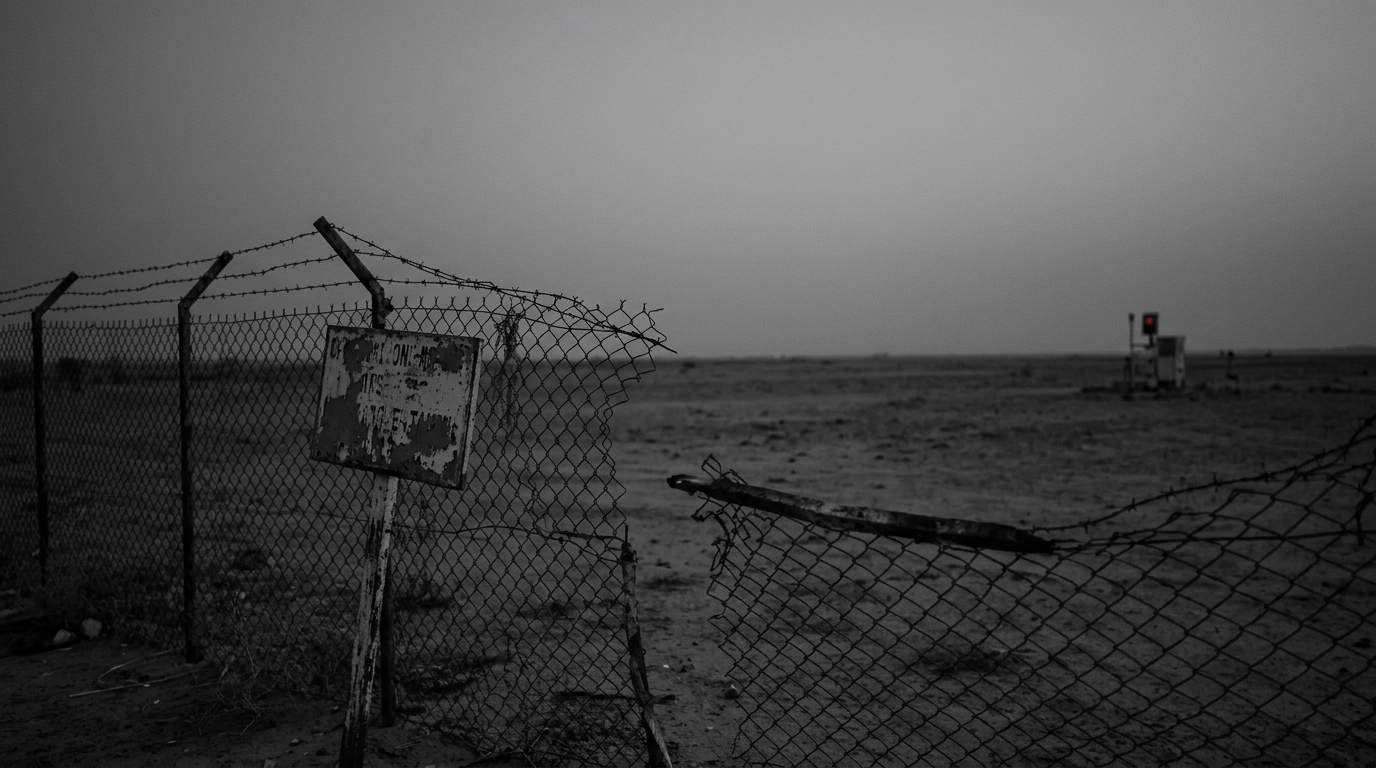
Regional security frameworks in West Africa have significantly fragmented following the formal withdrawal of the Alliance of Sahel States (AES) — comprising Burkina Faso, Mali, and Niger — from the Economic Community of West African States (ECOWAS) on January 29, 2025. This diplomatic rupture has been exacerbated by operational shifts, creating palpable concerns over stability across the region. The security landscape has become more complex, directly impacting efforts against various militant organizations.
Further strains in regional relations emerged in December 2025 when Burkina Faso detained 11 Nigerian Air Force personnel. This incident occurred after an emergency landing of a Nigerian aircraft within its borders, highlighting the growing political distance between Abuja and the military-led governments of the Sahelian nations. This event underscored the deep rifts forming within what was once a more cohesive security partnership.
Security Cooperation Deteriorates
The multinational effort against armed groups suffered another significant setback with Niger's withdrawal from the Multinational Joint Task Force (MNJTF) in March 2025. The MNJTF previously played a crucial role in combating militant organizations within the Lake Chad Basin. This decision has created operational vacuums, which militant groups like the Islamic State in West Africa Province (ISWAP) and various al-Qaeda-linked factions are actively exploiting. These groups are now able to move personnel and resources with greater ease across inadequately coordinated border areas, undermining regional counter-terrorism efforts.
Analysts suggest that this reduced cooperation directly benefits these extremist organizations. ISWAP, which is highly active in Nigeria and southeastern Niger, particularly in the Diffa region, has reportedly gained increased freedom to maneuver across national boundaries. Similarly, the al-Qaeda-linked Jamaat Nusrat al-Islam wal-Muslimin (JNIM) continues to pose a substantial threat, as evidenced by coordinated attacks in Mali in April 2026. These assaults included an attack that resulted in the death of Defence Minister Sadio Camara near Bamako, demonstrating the severe capabilities of these groups.
Economic Implications and Future Outlook
Nigerian officials have explicitly linked the increasing instability in the Sahel to domestic security threats, a characterization that the AES governments have formally rejected. This fundamental disagreement over the regional security assessment further deepens the divide and obstructs the formation of a unified strategy to counter the evolving militant threat.
Beyond security, economic flows also face considerable uncertainty. Although ECOWAS has maintained temporary provisions for visa-free movement and trade to mitigate immediate economic disruption, the long-term viability of cross-border commerce remains precarious. Nigeria, standing as West Africa's largest economy, serves as a vital market for goods transiting through the Sahel corridor. Well-established patterns of cross-border trade and labor migration connect Nigeria with the AES states. The current political rupture poses significant risks to these longstanding economic ties, potentially impacting the livelihoods of numerous individuals across the broader West African region.
The primary unresolved question now is whether diplomatic efforts can bridge these growing divides and establish new, effective security frameworks. Without renewed collaboration and a coordinated regional approach, the ongoing fragmentation risks further empowering armed groups, with potentially profound consequences for both regional stability and economic integration throughout West Africa.