Middle East Tensions Drive Oil Above $100
Middle East military tensions, involving the U.S., Israel, and Iran, have pushed crude oil prices above $100 per barrel, disrupting global travel.
Lauren Collins ·
Global crude oil prices surged past $100 per barrel on Monday, reacting to heightened military activities across the Middle East. The escalation involves key regional and international actors, including the United States, Israel, and Iran, contributing to significant geopolitical instability.
Regional Military Engagements
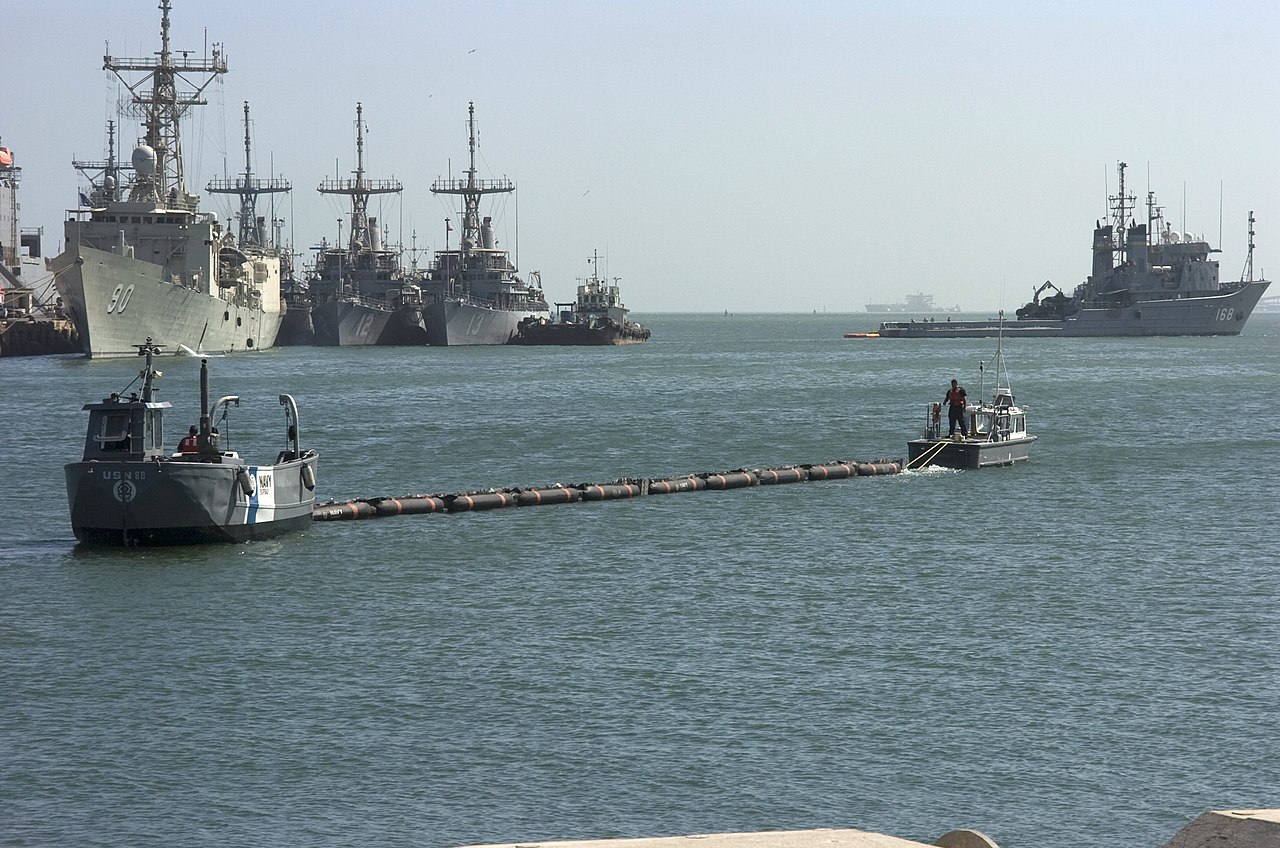
Recent developments include reports of a U.S. torpedo strike against an Iranian warship operating in the Indian Ocean. Concurrently, drone attacks have been reported in proximity to the U.S. consulate in Dubai, further indicating a broadening scope of conflict. Additionally, Iranian forces reportedly targeted a U.S.-operated naval facility situated in Bahrain.
Airspace Disruptions and Travel Impact
The intensified military actions have led to extensive airspace closures throughout the Middle East. These restrictions are significantly disrupting international air travel, affecting numerous routes, such as the Dubai-Dublin corridor, and causing delays and cancellations for commercial flights across the region.
U.S. Presidential Commentary
U.S. President Donald Trump has publicly acknowledged the ongoing military operations. In related remarks, President Trump also voiced criticism regarding Spain's policy on military base access and the United Kingdom's initial reaction to the recent strikes, highlighting diplomatic tensions among allies.
Investigation into Civilian Targets
The U.S. Department of Defense is currently investigating allegations of a school bombing in Iran. U.S. officials have stated that deliberate targeting of educational institutions is not part of their operational protocols, emphasizing adherence to international humanitarian law.
Broader Geopolitical Context
The current surge in oil prices reflects market anxieties over potential disruptions to global energy supplies originating from the Middle East, a critical oil-producing region. The interconnected nature of these conflicts underscores the fragility of regional stability and its immediate impact on global economic indicators.
The involvement of multiple state and non-state actors complicates de-escalation efforts and maintains a high level of uncertainty for international markets and political relations.
Economic and Market Implications
Sustained high oil prices could trigger inflationary pressures globally, affecting consumer spending and industrial production. Central banks may face increased pressure to adjust monetary policies, potentially impacting global economic growth forecasts. The volatility also influences investment decisions, with a shift towards safe-haven assets often observed during periods of geopolitical tension.
Implications
Country Impact: The escalating conflict could destabilize regional governments and alliances, potentially drawing in more international actors. Countries reliant on oil imports face increased economic strain from higher energy costs.
Industry Impact: The energy sector is experiencing significant volatility, with oil and gas companies seeing price surges. The aviation industry faces operational challenges and increased costs due to airspace closures and higher fuel prices.
Market Impact: Global financial markets are reacting with increased uncertainty, leading to potential shifts in investment towards safe-haven assets. Inflationary pressures from rising oil prices could impact central bank policies and bond yields.