UK Sends 100K Tons of Plastic Waste to Turkey
British plastic waste exports to Adana, Turkey, are causing environmental and agricultural damage, raising concerns over corporate and global standards.
Atlas Newsdesk ·
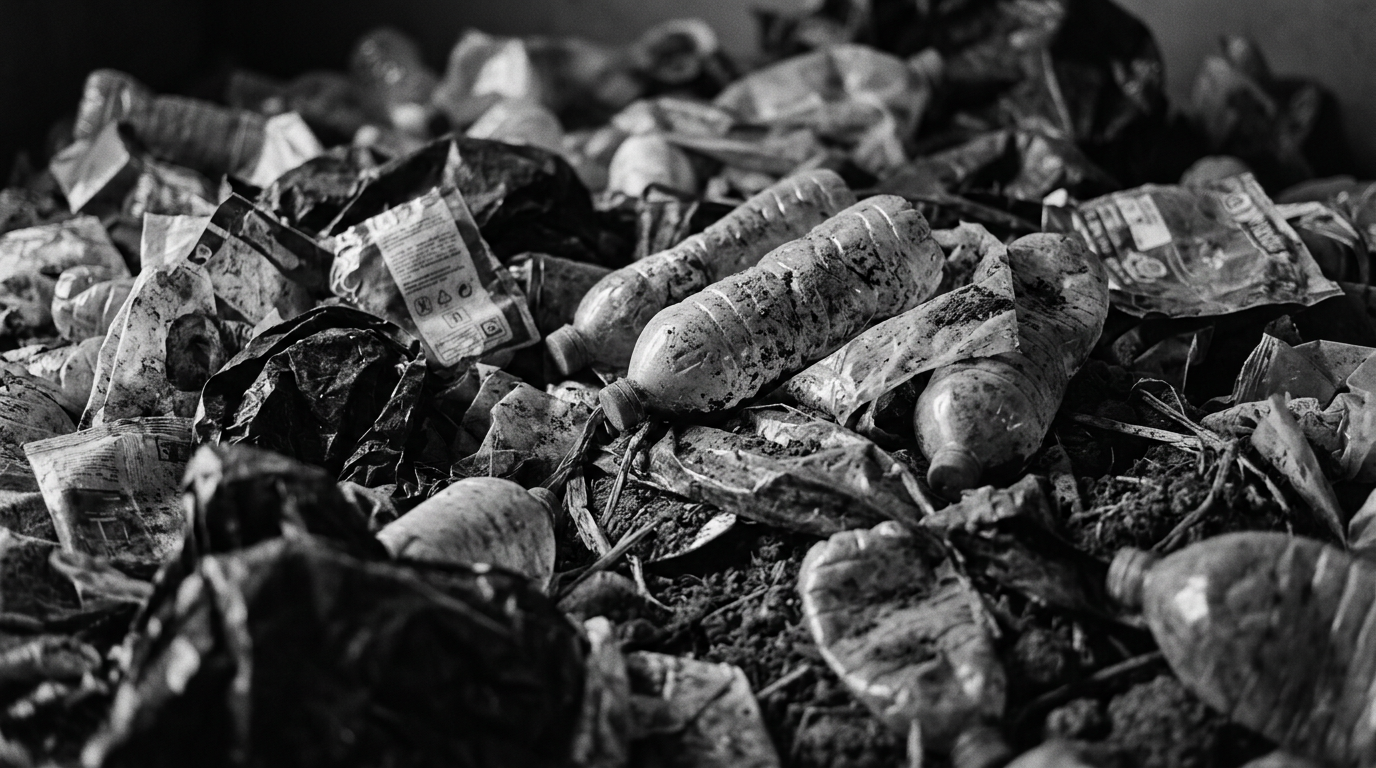
Between 2021 and 2024, 13 commercial firms based in the United Kingdom exported approximately 52,000 tonnes of plastic waste to the Kemal Deniz recycling hub in Adana, Turkey. The volume represented a major share of the 139,000 tonnes of total international waste delivered to the industrial complex over the three-year period, highlighting the strong presence of British companies in the regional recycling sector.
Environmental testing conducted near the recycling centers revealed significant contamination across local aquatic ecosystems. Water samples collected from nearby agricultural irrigation canals contained high concentrations of microplastics and synthetic residues. Researchers warned that the unchecked discharge of untreated industrial wastewater directly threatens the surrounding farmland and compromises regional food safety protocols.
Widespread Pollution Sparks Community Protests in Adana
Residents Report Air Toxicity in Disadvantaged Districts
The heavy concentration of processing facilities within socioeconomically disadvantaged districts in Adana has fueled growing public outcry and localized demonstrations. Nearby residents reported frequent exposure to acrid smoke, toxic air emissions, and harsh fumes produced during waste sorting and incineration. The deteriorating living conditions have led to urgent calls from local communities for stricter environmental monitoring and immediate administrative remedies.
Corporate Compliance Risks and International Trade Impacts
While existing trade rules do not categorize the UK waste exports as illegal, British corporate entities remain bound by legal requirements to ensure their waste is processed in an environmentally sound manner abroad. Mismanagement at destination facilities creates substantial regulatory risks and corporate liability for exporting entities, increasing pressure on businesses to conduct rigorous supply chain audits.
Heightened scrutiny from regulatory authorities and mounting environmental damage in receiving nations are likely to prompt tighter cross-border trade controls. Analysts note that stricter standards could compel waste-generating entities to either redirect shipments to less-regulated markets or fund domestic recycling infrastructure, potentially accelerating a long-term transition toward localized circular economy models.