Noma's New Foe: Bacteria Linked to Child Disease
New bacteria Treponema A was found in noma patients in Nigeria, raising prospects for earlier detection and prevention, researchers reported.
Ayla Demirhan ·
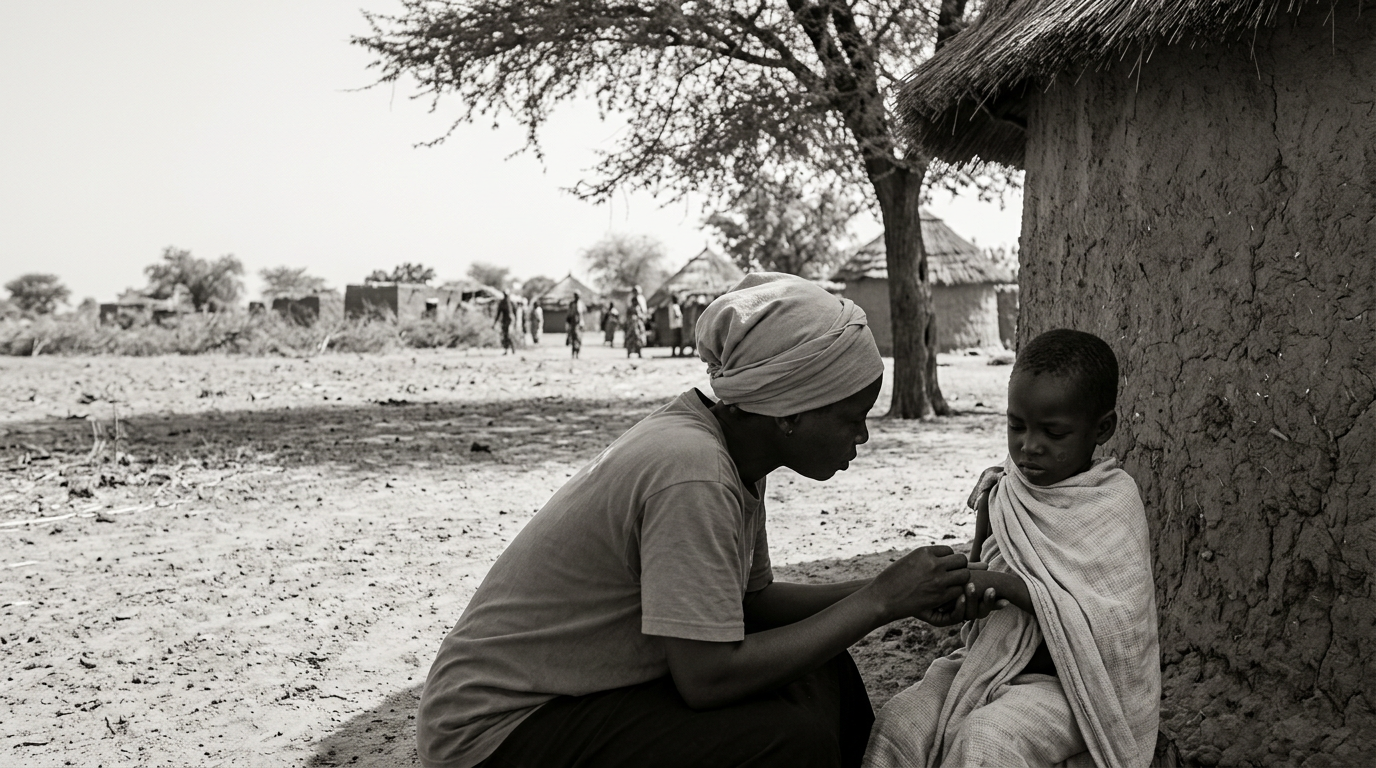
Researchers have reported evidence linking a previously unknown bacterial species to noma, a rapidly progressing and severely disfiguring disease that primarily affects children in the Sahel region of Africa. The bacterium has been provisionally named Treponema A , and the findings were published in Plos Neglected Tropical Diseases .
Officials involved in the work said the discovery could support better approaches to prevention, detection, and treatment for a condition that is fatal in 90% of untreated cases.
The study was led by the Liverpool School of Tropical Medicine and focused on oral samples from 19 Nigerian children with noma. Using modern genetic analysis, the team examined the microbial communities present in patients’ mouths. The results pointed to a disrupted bacterial ecosystem, with lower levels of bacteria typically associated with oral health and higher levels of other strains.
Across the samples, Treponema A appeared repeatedly and was found in most of the noma cases studied, according to the researchers. The team also reported that the bacterium was detected when older samples from other patients were re-examined, reinforcing the pattern seen in the Nigerian cohort. However, the study said it does not prove that Treponema A causes noma, and the researchers described the evidence as suggestive rather than definitive.
Current care relies on broad-spectrum antibiotics, which researchers said can help patients recover. Even with recovery, noma often leaves survivors with major facial damage, and the study noted the lifelong stigma that can follow. The researchers said that identifying a consistent bacterial signal could eventually shift care toward earlier, more targeted action.
One goal described by the research team is the development of diagnostic testing for Treponema A at the gingivitis stage. They said that if the bacterium can be detected before noma advances, prophylactic antibiotic treatment could potentially stop progression. The researchers also said this approach could reduce dependence on broad-spectrum antibiotics, which they linked to concerns about antimicrobial resistance.
Further studies are planned to test whether Treponema A plays a causal role and to assess targeted interventions. Among the options the researchers said they want to explore is the potential use of probiotics to help restore a healthier bacterial balance in the mouth. For now, the study’s authors emphasized that more evidence is needed before Treponema A can be treated as a confirmed driver of the disease.