Washington weighs Russia overflight risk as UK passengers remain exposed
The White House faces a narrow aviation-safety question with broader diplomatic consequences: whether to press London for a tougher line on airlines carrying…
Lauren Collins ·
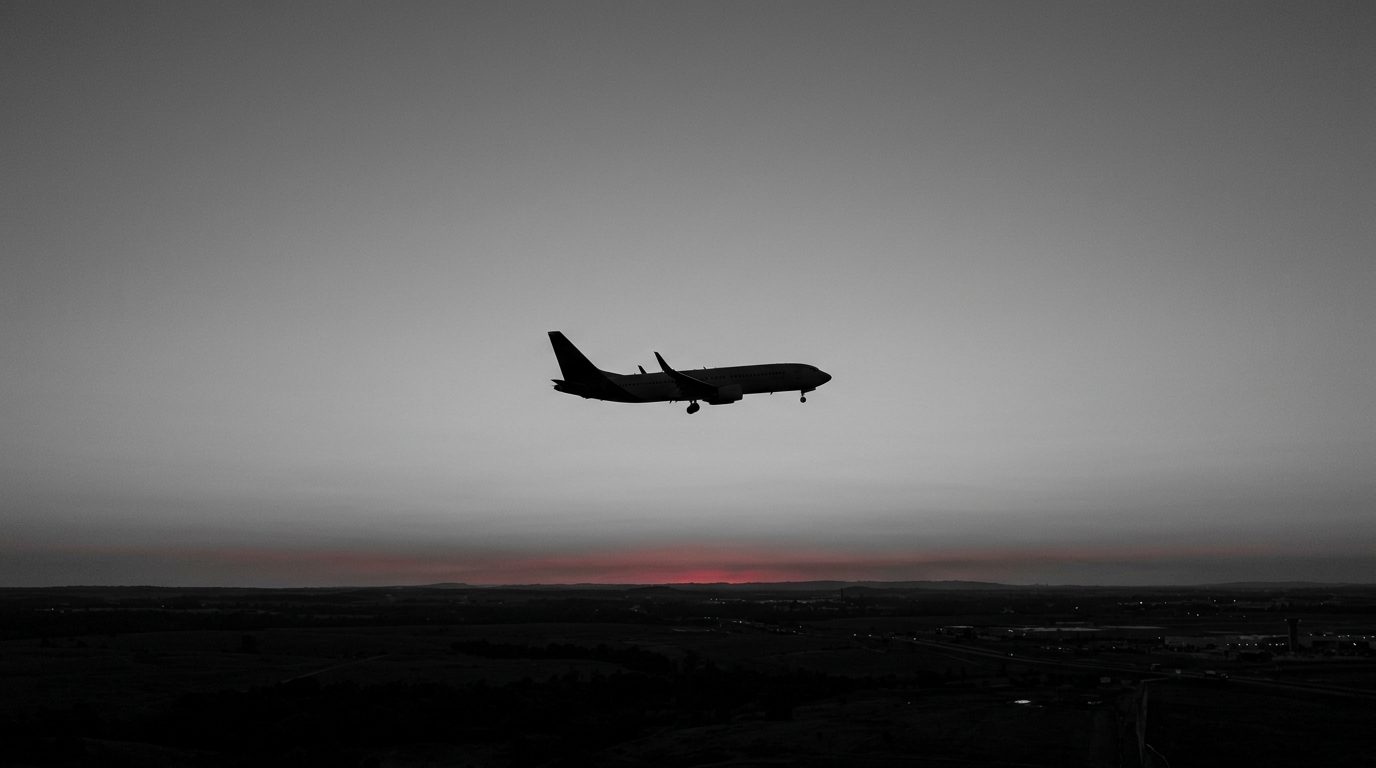
Washington weighs Russia overflight risk as UK passengers remain exposed
Washington entered September 15 with a harder aviation-safety problem on the Russia file: some airlines serving UK airports still route passengers through Russian airspace, even as Moscow’s war in Ukraine keeps eastern European air corridors politically and militarily sensitive. The immediate policy question is whether the US and UK turn that exposure into a coordinated aviation warning, a carrier-routing pressure campaign, or another sanctions-linked measure.
The issue sits at the intersection of passenger safety, sanctions enforcement and alliance messaging. For US officials, the risk is not only whether a British traveler is on a specific flight path over Russia, but whether allied governments appear willing to tolerate uneven safety standards while asking carriers and passengers to absorb the cost of longer routes elsewhere.
After Russia’s full-scale invasion of Ukraine, airspace policy became part of the sanctions battlefield. The UK, US, EU and Canada restricted Russian carriers from their airspace, while Moscow imposed reciprocal limits on many Western airlines. That left a divided map: some carriers avoid Russia entirely, while others that are not barred from Russian skies can still use those routes to shorten Asia-Europe flights.
For passengers in Britain, the relevant distinction is not simply the flag on an aircraft. An airline can serve a UK airport, sell tickets to British passengers and operate onward routes that cross Russian-controlled airspace, even if the airline itself is not UK-registered. That makes the safety question harder for London, because a domestic ban on UK carriers would not necessarily capture every itinerary bought by UK-based travelers.
For US
Washington’s role would likely run through several channels. The Federal Aviation Administration can issue or update flight restrictions and notices for US operators; the State Department can fold aviation risk into travel guidance; the Treasury Department can use sanctions tools if a routing, service or commercial relationship implicates restricted Russian entities. The National Security Council can coordinate the policy if the White House decides the issue should become part of wider Ukraine diplomacy.
London has its own tools. The UK Civil Aviation Authority oversees aviation safety for UK operators, while the Department for Transport and Foreign, Commonwealth and Development Office can influence public guidance and route-risk messaging. Parliament can also raise the political cost for ministers if the issue becomes framed as a passenger-protection failure rather than a technical routing dispute.
The hardest part is evidentiary. Governments do not usually publish every classified or intelligence-based assessment behind an airspace warning. They may instead cite the general risk from military activity, air-defense systems, GPS interference, cyber disruption or misidentification near conflict zones. That leaves carriers, insurers and passengers reading policy signals that may be deliberately incomplete.
Recent aviation history gives the issue its political force. The destruction of Malaysia Airlines Flight 17 over eastern Ukraine in 2014 showed how civilian aircraft can become exposed when conflict-zone risk assessments lag the battlefield. The lesson for regulators was not that every contested airspace is equally dangerous, but that warnings, route closures and intelligence-sharing can move too slowly when commercial incentives favor shorter paths.
The airline industry’s incentive is clear. Avoiding Russian airspace can add time, fuel cost and crew complexity on Europe-Asia services. Carriers with access to Russia may gain a route advantage over rivals that are barred or choose to avoid it. That commercial imbalance is one reason the question can migrate from aviation safety into sanctions and competition policy.
For the White House, any move with London would also be a message to Moscow. A coordinated US-UK position would say that Russia’s airspace is not being treated as a normal commercial corridor while the war continues. A weaker approach would leave carriers and passengers to interpret fragmented warnings across different jurisdictions.
There are limits to what Washington can dictate. The US cannot directly order every foreign airline serving Heathrow, Manchester or other UK airports to change its flight paths unless US jurisdiction is triggered. It can, however, align warnings with the UK and European regulators, increase diplomatic pressure on partner governments, and make clear that carriers using Russian routes may face reputational or compliance scrutiny.
The broader alliance problem is consistency. If one group of carriers avoids Russian airspace on safety or sanctions grounds while others continue to use it for cost and schedule advantages, the policy looks uneven. That weakens the political case for sanctions discipline and creates an industry split between carriers that absorb rerouting costs and those that do not.
The forward call is concrete: by December 14, watch for a formal or informal joint signal involving the FAA, the UK Civil Aviation Authority or European aviation regulators, or for carriers serving UK passengers to announce route changes that avoid Russian airspace. If a coordinated warning or directive appears, the macro effect would be higher operating costs on affected Europe-Asia routes and a clearer allied sanctions signal; the company-level effect would fall on airlines still using Russian corridors through longer flight times, fuel costs and schedule changes; the industry effect would narrow the competitive gap between carriers that already avoid Russia and those that still use it. If no aligned warning or rerouting occurs, the global impact would be limited in the near term, but the White House and London would leave a visible inconsistency in aviation policy while the war continues.