Washington Signals Hard Stance Against Tehran After Attacks
President Trump declared Iran would "pay the price" for stalled negotiations, following an escalation of military exchanges near the Strait of Hormuz.
Lauren Collins ·
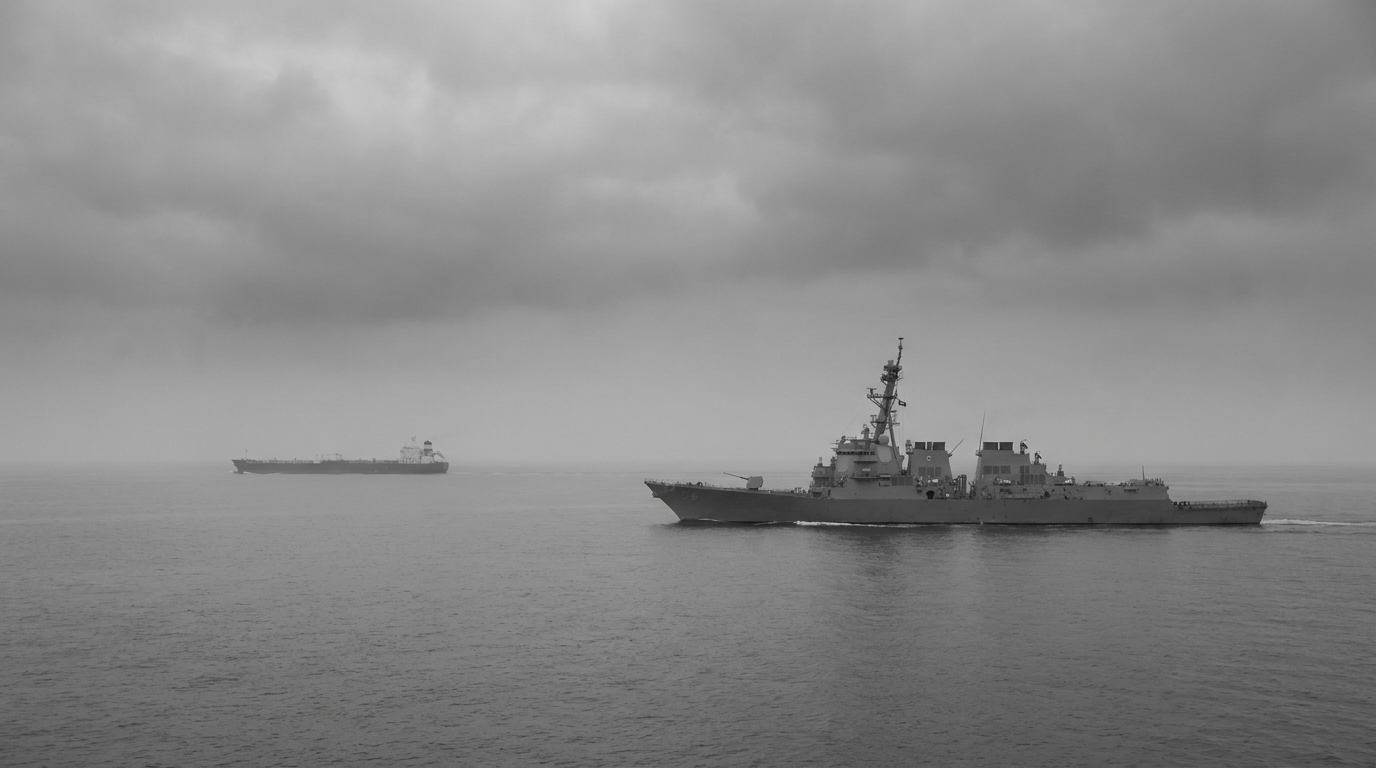
President Donald Trump issued a stern warning to Iran, asserting the nation would "pay the price" for its prolonged negotiation stance. He later stated the United States would hit Iran "very hard" if a deal remained elusive.
This declaration follows a series of significant military escalations between Washington and Tehran, marking a downturn in relations since a ceasefire agreement established in April.
Escalating Tensions and Retaliation
The recent intensification of hostilities began with the crash of a U.S. helicopter near the Strait of Hormuz. While two crew members were rescued, the incident sparked immediate blame from the U.S. toward Iran.
In response, the U.S. reported striking 20 Iranian targets around the vital waterway. Iran subsequently launched missile and drone attacks on American bases located in Jordan, Kuwait, and Bahrain, though these actions reportedly caused no casualties or significant facility damage.
Tehran announced it would reconsider diplomatic engagements with the U.S., citing repeated ceasefire violations. An Iranian parliamentary official cautioned that any new conflict might not be confined to the region.
Economic Repercussions Emerge
The heightened geopolitical tensions quickly rippled through global financial markets, impacting key commodities. Oil prices experienced a notable jump, with Brent crude futures rising nearly $3 a barrel, or 2.8%, to $94.06.
U.S. West Texas Intermediate (WTI) crude saw a similar increase, climbing $2.93, or 3.3%, to $91.12 a barrel. Analysts attributed these gains to Trump's assertive statements and a larger-than-expected drawdown in U.S. crude inventories.
Conversely, gold prices, typically seen as a safe-haven asset, unexpectedly declined by over 3%. Spot gold fell to $4,111.95 per ounce, its lowest since late March. This dip was linked to concerns that a broader conflict might necessitate interest rate hikes to counteract potential inflation.
The Path Forward
The current standoff underscores the volatile nature of U.S.-Iran relations, despite earlier attempts at de-escalation. President Trump's strong rhetoric suggests a firm American stance, placing the onus on Iran to alter its approach.
Both nations now face critical decisions regarding future engagement, with potential implications for regional stability and global economic prosperity. The international community watches closely to see if diplomacy can regain traction amidst renewed military posturing.