Warren Buffett Steps Down as Berkshire Chairman
Berkshire Hathaway named Howard Buffett chairman after Warren Buffett stepped down, separating the chair and CEO roles at the $1 trillion conglomerate.
Jurgen Goldmeier ·
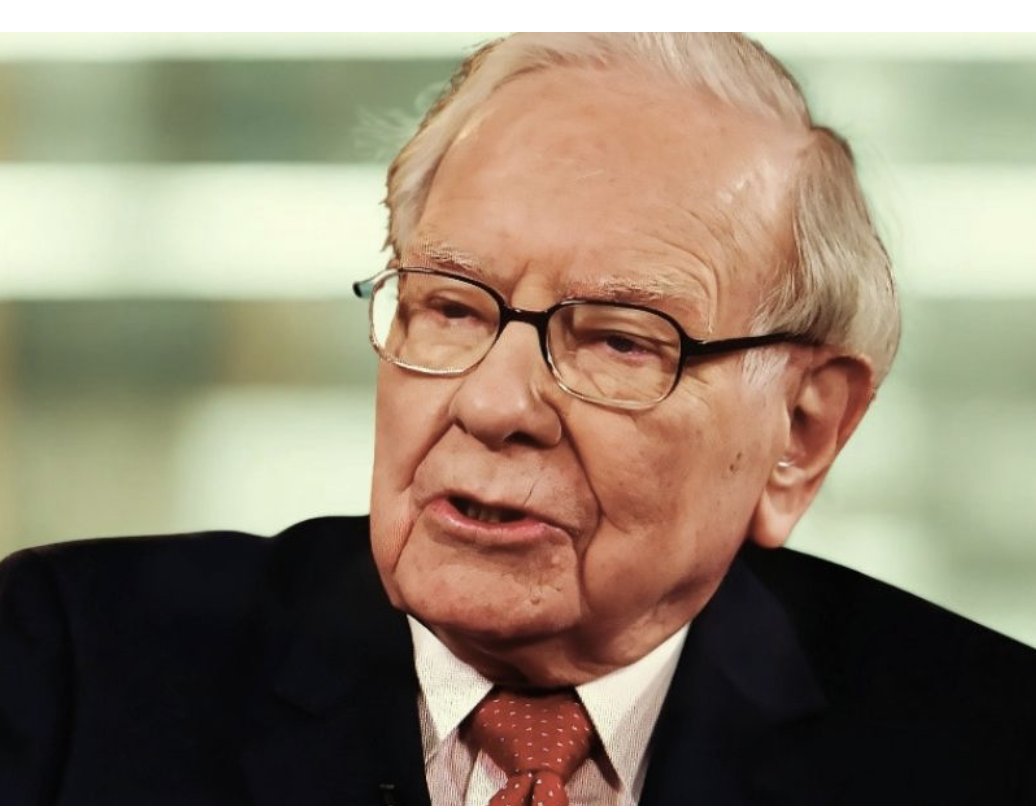
Berkshire Hathaway named Howard Buffett chairman as Warren Buffett stepped down after more than six decades leading the $1 trillion company.
Howard Buffett takes the chair
Warren Buffett announced the move Friday in a letter to investors, saying he would stay on Berkshire’s board and take the title of chairman emeritus. Howard Buffett, known as Howie, assumes the chairmanship immediately, while the company said Warren Buffett will “continue to offer his valued judgment and perspective.”
The appointment completes a leadership split already under way at Berkshire. Greg Abel became chief executive officer at the start of the year, leaving Howard Buffett to occupy the board role his father had long said would eventually pass to him.
Warren Buffett framed the transition as a personal and corporate handoff rather than a retreat from ownership. “Serving as your Chairman has been the privilege of a lifetime, and I have never taken your trust for granted,” he wrote, adding: “Father Time always wins. He has, however, been generous with me.”
Six decades changed Berkshire
Buffett, 96, built Berkshire from a fading textile operation into a conglomerate valued at about $1 trillion, a scale that puts the company among the largest in the United States. His annual letters and Omaha shareholder meetings turned Berkshire into an investing institution as much as a holding company.
Those meetings drew thousands of investors to Nebraska each year and became known by Buffett’s own phrase, the “Woodstock of Capitalists.” The following gave Berkshire an unusual public culture for a company whose holdings and cash allocation decisions were often discussed in plain language by its longtime leader.
Howard Buffett, 71, is the second of Warren Buffett’s three children and has been a Berkshire director since 1993. That gives him more than 30 years on the board before taking the chair, a tenure that anchors the transition inside the existing governance structure rather than bringing in an outside figure.
Warren Buffett had previously described the choice in family and trust terms. “He is getting it because he’s my son,” Buffett said in an interview last year, adding that he trusted all three of his children.
Howard Buffett has also described the preparation as a long apprenticeship under his father. “I feel I’m prepared for it because he prepared me,” he said. “That’s a lot of years of influence and a lot of years of teaching.”
Abel runs the company
The chairmanship change does not alter Abel’s role as CEO, according to the company’s stated structure. Abel now carries operational control, while Howard Buffett takes the board seat most closely associated with Berkshire’s culture and continuity.
Abel tied the transition to the company’s internal norms rather than to a change in strategy. “Warren’s impact on Berkshire and its owners is without parallel in the history of American business,” he said, adding that Howard Buffett would be the guardian of the culture and values Warren Buffett built.
For Berkshire shareholders, the immediate issue is how the three roles work in practice: Abel as CEO, Howard Buffett as chairman and Warren Buffett as chairman emeritus. The company’s statement leaves Warren Buffett with influence through advice and board service, but not the formal chairmanship he held for decades.
Succession paths narrow
If the new arrangement holds, Berkshire’s transition becomes a test of continuity at a $1 trillion allocator rather than a sudden break with the Buffett era. For the company, the mechanism is clearer accountability: Abel runs the business, Howard Buffett oversees the board, and Warren Buffett remains available for judgment without the chair title.
If investors instead focus on the loss of Warren Buffett’s formal authority, attention is likely to shift toward Abel’s capital allocation decisions and Howard Buffett’s ability to protect Berkshire’s operating culture. For the wider conglomerate sector, the succession will be watched as a case study in whether founder-led governance can be separated from founder-led management without weakening investor confidence.
The main open question is how much informal authority Warren Buffett retains as chairman emeritus and board member after relinquishing the chair. Berkshire’s next shareholder communications will show how visibly the company presents Abel and Howard Buffett as the new leadership center.