Volkswagen to Cut 50,000 Jobs Amid Profit Decline
Volkswagen plans to cut 50,000 jobs globally by 2030 following a 54% profit decline, driven by weak sales and tariffs.
Atlas Newsdesk ·
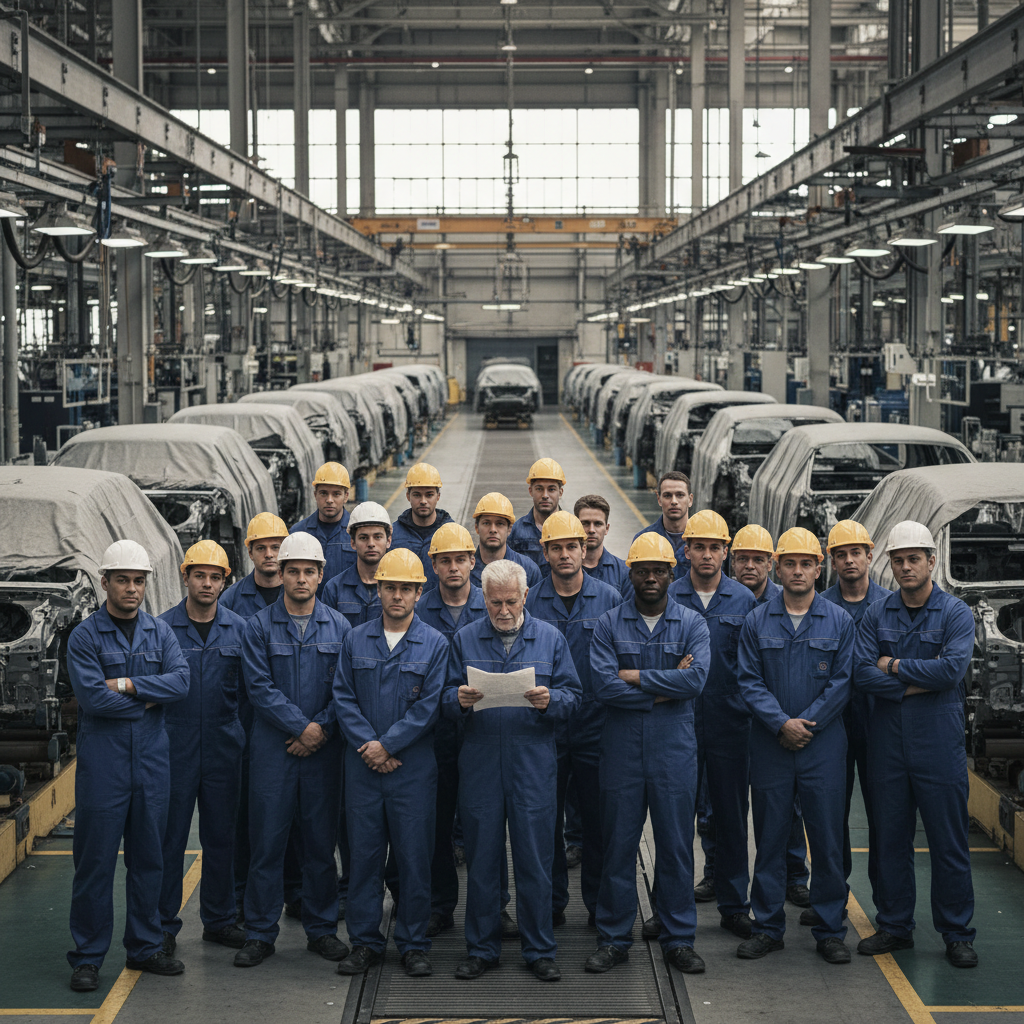
Volkswagen, a leading global automotive manufacturer, has announced a significant workforce reduction plan, targeting 50,000 job cuts worldwide by 2030. This strategic move follows a substantial 54% decrease in the company's pre-tax profits, which fell to €8.9 billion. The majority of these job eliminations are anticipated to occur within Germany, reflecting broader restructuring initiatives.
The decision to downsize the workforce is an expansion of an earlier agreement with German labor unions, which had initially projected 35,000 job reductions by the end of the decade. This revised plan underscores the company's response to a challenging global economic landscape.
Profitability Challenges and Market Shifts
Several factors have contributed to Volkswagen's declining profitability. The company has experienced reduced sales volumes in key markets, particularly China and North America. Additionally, the imposition of U.S. tariffs has significantly impacted financial performance, alongside a costly strategic shift within its Porsche brand.
Porsche's operating profit saw a dramatic 98% decline, reaching €90 million in 2025. This downturn is attributed to delays in its electric vehicle transition and subdued consumer demand. Volkswagen also faces stagnant demand across European markets and heightened domestic competition within China, prompting the launch of new product campaigns in the latter region.
Global Economic Headwinds
Volkswagen cited a range of macroeconomic challenges influencing its outlook. These include international trade restrictions and escalating geopolitical tensions, such as the U.S.-Israeli military actions concerning Iran. While the conflict in Iran has not yet disrupted Volkswagen's supply chains, it poses a potential risk to demand for its premium brands, including Audi and Porsche.
These global conditions are expected to intensify competitive pressures and introduce greater volatility in commodity, energy, and foreign exchange markets. The company's restructuring aims to enhance efficiency and adapt to these evolving market dynamics, ensuring long-term sustainability amidst a complex operational environment.
Strategic Adjustments and Future Outlook
The job cuts are part of a broader effort to streamline operations and improve cost efficiency. Volkswagen's management is navigating a period of significant transformation within the automotive industry, characterized by the shift towards electric vehicles and increased competition from new market entrants. The company's focus remains on adapting its production and sales strategies to align with changing consumer preferences and geopolitical realities.
This strategic realignment is crucial for Volkswagen to regain its competitive edge and address the financial pressures stemming from global economic shifts and specific market challenges. The company's ability to successfully implement these changes will be critical for its performance in the coming years.
Implications
Country Impact: Germany is expected to bear the brunt of the job cuts, impacting local employment and potentially increasing social welfare demands. The restructuring reflects broader economic pressures on German manufacturing.
Industry Impact: The automotive sector faces intensified competition and pressure to adapt to electric vehicle transitions. Volkswagen's challenges highlight the impact of geopolitical tensions and trade policies on global car manufacturers.
Market Impact: The news could lead to investor concerns regarding Volkswagen's future profitability and market share, potentially affecting its stock performance. Broader market sentiment for the automotive sector may also be influenced by these developments.