VOO Favored Over QQQ for 2026 Market Outlook
An analysis suggests VOO may outperform QQQ by 2026, driven by anticipated interest rate normalization and broader economic growth.
Atlas Newsdesk ·
A recent investment analysis suggests that the Vanguard S&P 500 ETF (VOO) may offer a more compelling investment profile than the Invesco QQQ Trust (QQQ) for the year 2026. This assessment, published on December 19, 2024, by TipRanks.com, anticipates a shift in market dynamics that could favor broader market diversification over concentrated technology exposure.
Historically, the QQQ, which tracks the Nasdaq 100 index, has demonstrated strong performance due to its significant allocation to large-capitalization technology and growth companies. However, the current analysis posits that its future returns might be limited by existing high valuations and an expected rotation of investment capital across sectors.
Projected Market Dynamics
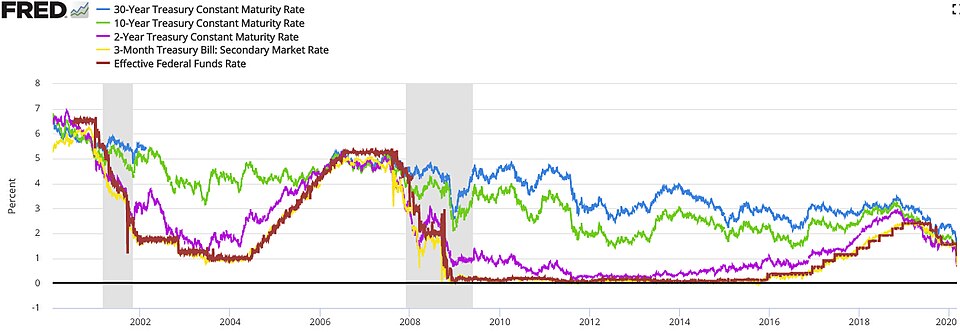
The underlying rationale for this outlook centers on the anticipated normalization of interest rates and a more widespread economic expansion. Such conditions are expected to diminish the premium typically associated with high-growth technology stocks, which have thrived in a low-interest-rate environment. As economic growth broadens, a wider range of industries beyond technology are projected to contribute significantly to overall market performance.
Diversification vs. Concentration
The VOO, designed to mirror the performance of the S&P 500, provides diversified exposure across 11 distinct economic sectors. This broad market representation is seen as a key advantage, offering lower concentration risk compared to the QQQ's technology-heavy portfolio. The S&P 500's inclusion of various value-oriented sectors is also highlighted as a factor that could enhance its resilience and potential for gains in the evolving market landscape.
Investment Strategy Implications
For investors targeting long-term capital appreciation through 2026, the analysis implies a potential shift in optimal investment strategy. It suggests moving away from a singular focus on high-growth technology stocks towards a more balanced approach that captures broader market trends. The diversified nature of VOO is therefore positioned as better equipped to capitalize on these anticipated shifts.
Background on ETFs
Exchange-Traded Funds (ETFs) like VOO and QQQ are popular investment vehicles that hold assets such as stocks, commodities, or bonds, and trade like regular stocks on exchanges. S. companies, representing approximately 80% of available market capitalization. QQQ, conversely, tracks the Nasdaq 100, which includes 100 of the largest non-financial companies listed on the Nasdaq stock market, heavily weighted towards technology and growth sectors.
Understanding the underlying indices is crucial for investors evaluating these funds, especially when considering sector-specific risks and diversification benefits.
Implications
Country Impact: This analysis primarily concerns the U.S. equity market, suggesting a potential reallocation of capital within domestic investment portfolios. A shift from technology-focused investments to broader market exposure could influence capital flows across various U.S. economic sectors.
Industry Impact: The technology sector, particularly large-cap growth companies, could experience reduced investment inflows if this forecast materializes. Conversely, sectors represented more heavily in the broader S&P 500, including industrials, financials, and consumer staples, might see increased investor interest.
Market Impact: Global equity markets could observe a rotation from growth-oriented assets to value or broader market indices. This shift might lead to a re-evaluation of sector valuations and potentially impact the performance of technology-heavy indices versus diversified market benchmarks.