Russia Oil Exports Surge Amid Iran Conflict
Russia's oil exports are surging due to the Iran conflict, with a U.S. sanctions waiver enabling Indian refiners to purchase Russian crude.
Atlas Newsdesk ·
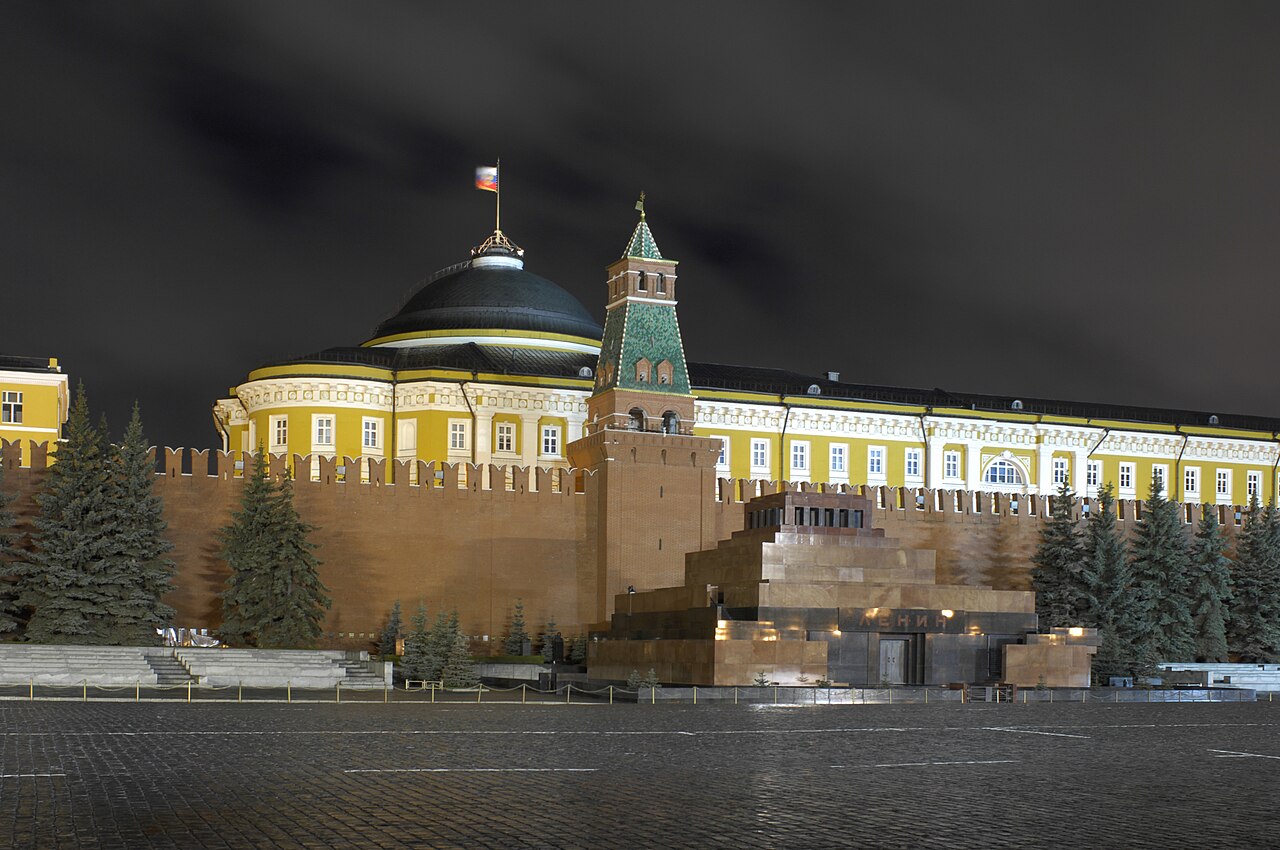
Russia is experiencing an economic uplift due to shifting global oil trade dynamics, particularly in early March 2026. The ongoing conflict involving Iran has redirected international crude demand, benefiting Russian oil exports, especially to Asian markets, despite existing international sanctions.
This development highlights how geopolitical events can reconfigure energy supply chains. The United States recently implemented a 30-day waiver on sanctions, permitting Indian refiners to acquire Russian crude, a move that has directly influenced trade routes and commodity flows.
Shifting Trade Routes and Sanctions Waivers
One notable instance involved the oil tanker *Sarah*. Initially, between February 22nd and 26th, the vessel was engaged in a ship-to-ship transfer operation of Russian oil, intended for subsequent delivery to China. However, on March 6th, its course was altered, and it proceeded directly to a refinery located in western India.
The *Sarah* is projected to reach its Indian destination by March 14th, underscoring the immediate impact of the U.S. sanctions waiver. This policy adjustment by Washington has created a temporary window for certain nations to access Russian energy supplies without facing punitive measures.
Global Energy Market Realignments
The broader conflict in the Middle East has significantly disrupted established energy supply channels. Nations previously reliant on traditional sources are now actively seeking alternative suppliers to ensure their energy security. This search has inadvertently bolstered demand for Russian crude.
Consequently, Russia's oil export volumes and associated revenues have seen an increase. This situation illustrates the complex interplay between geopolitical tensions, international sanctions, and the global energy market's adaptability in securing vital resources.
Economic Implications for Russia and Asia
For Russia, this shift represents a crucial economic advantage, providing a revenue stream that helps mitigate the impact of Western sanctions imposed following other international events. The increased demand from Asian economies, particularly India and potentially China, offers a stable market for its energy exports.
Asian nations, in turn, benefit from diversified energy sources and potentially more competitive pricing, especially during periods of global market volatility. This dynamic creates a symbiotic relationship, albeit one driven by geopolitical instability and strategic economic maneuvering.
Outlook on Energy Geopolitics
The temporary nature of the U.S. sanctions waiver suggests that these trade patterns could evolve further. Future policy decisions by major global powers will continue to shape the trajectory of international oil trade. The situation underscores the ongoing challenges in maintaining stable energy markets amidst complex geopolitical landscapes.
Observers will monitor whether the U.S. waiver is extended or if new sanctions are introduced, which could again alter the flow of Russian oil. The long-term implications for global energy security and the economic resilience of sanction-hit nations remain a key focus.
Implications
Country Impact: Russia benefits from increased oil revenues, partially offsetting sanctions. India secures alternative energy supplies, enhancing energy security. The U.S. waiver temporarily eases pressure on its allies while navigating complex geopolitical dynamics.
Industry Impact: The global oil and gas industry experiences significant shifts in trade routes and supplier-consumer relationships. Refiners in Asia gain access to Russian crude, potentially at favorable terms, while traditional suppliers face altered demand patterns.
Market Impact: Global energy markets see increased volatility and re-pricing of crude oil based on geopolitical events. Shipping and logistics sectors adapt to new trade corridors, impacting freight rates and vessel deployment strategies.