Visit Smithsonian Natural History Museum: Plan Ahead
Visit Smithsonian Natural History Museum in Washington, D.C. with free admission, access, key halls, and crowd-timing tips year-round.
Sophie McAlister ·
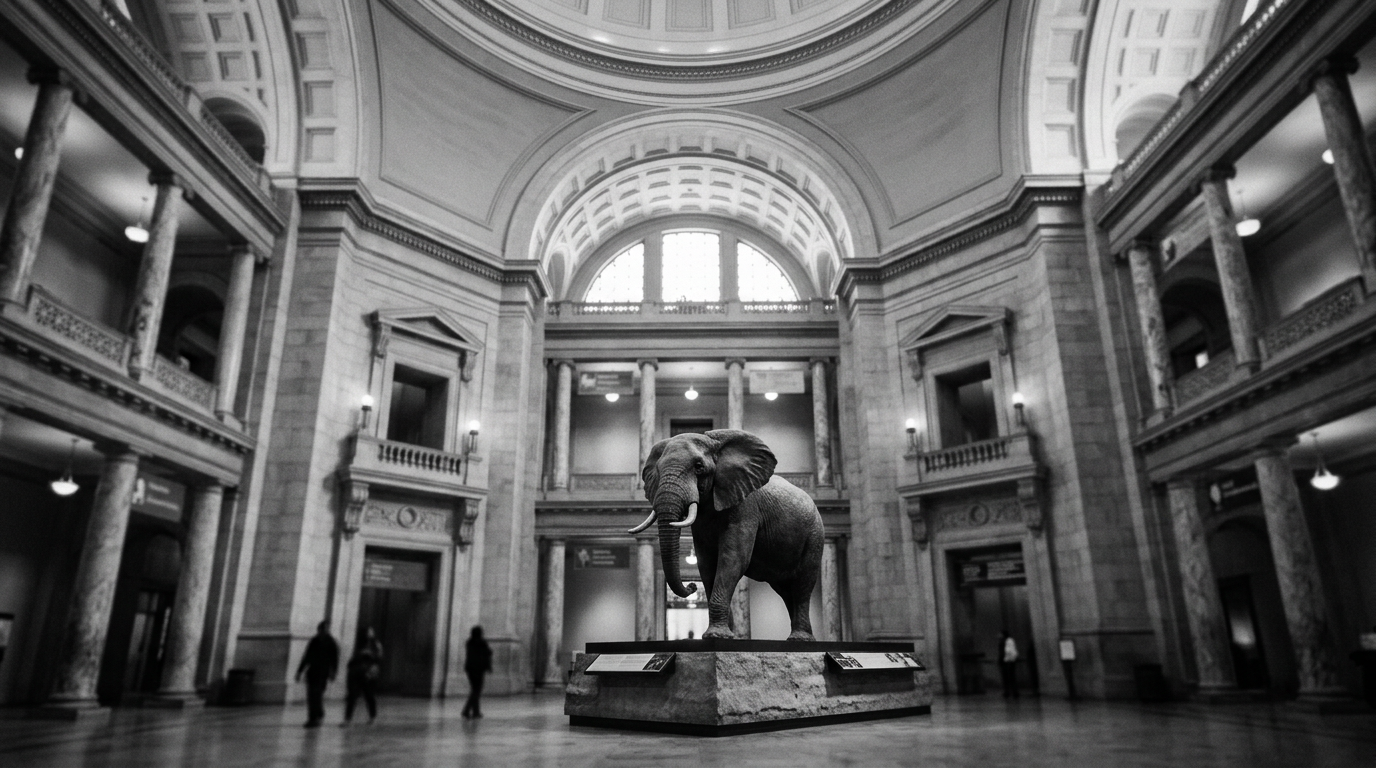
The Smithsonian National Museum of Natural History on Mall in Washington, D.C. is one of the city’s most visited cultural sites and is open year-round with free general admission as part of the Smithsonian network. For many visitors, the biggest challenge is not cost but planning: getting there efficiently, choosing what to see, and avoiding the busiest periods.
Most people arrive by and walk from the Smithsonian station, served by the Blue, Orange and Silver lines. Visitors commonly enter near the main entrance along Constitution Avenue, making it a straightforward stop for both first-time tourists and residents building a multi-museum day on the Mall.
Getting there and choosing an entrance
The Smithsonian National Museum The museum’s location on Mall places it within walking distance of other major museums and monuments, which can simplify itineraries for out-of-town travelers. Public transit and short rideshares are common options for moving between sites, especially when planning multiple stops in one day. Because entry is free, lines and security screening can be a bigger factor than ticketing. Officials advise checking the museum’s official website before leaving for the latest hours and any temporary closures that could affect a tight schedule. What’s inside: floors, halls, and repeat-visit favorites The building spans multiple floors with permanent halls dedicated to fossils, anthropology, minerals and gems, and biodiversity. Visitors looking for iconic displays often prioritize the fossil areas and the gem and mineral collections, which are frequently cited as major draws for repeat trips.
Among the best-known items is the Hope Diamond
Among the best-known items is the Hope Diamond, highlighted within the museum’s gem and mineral holdings. The fossil displays are another signature feature, anchored by prominent installations that help visitors navigate quickly to top attractions even during crowded periods.
Exhibitions, timed entry, and on-site services In addition to permanent halls, the museum runs daily exhibits and rotating displays. Some special exhibitions or events may require timed-entry passes or advance registration, so visitors who want a specific show are advised to confirm requirements ahead of arrival through official updates.
Staffed visitor services are available to assist with accessibility needs and can also help with coat check and educational resources for families and school groups. For organized visits, school-group scheduling and guided tour information are typically handled through official channels listed on the museum’s website.
Food breaks and crowd planning
Food is available nearby on the Mall and within the broader Smithsonian complex, and many visitors plan short breaks to keep the day moving. This approach can be especially useful when combining the museum with other nearby institutions.
Crowds are usually heaviest on weekends and holidays, while midweek mornings tend to be quieter. Visitors monitoring timed-entry updates and special exhibition rules through official Smithsonian announcements can adjust plans quickly if access requirements change.
Implications
Country Impact: As a major cultural anchor on Mall, the Smithsonian National Museum of Natural History is a practical stop for residents and visitors navigating Washington, D.C. Free admission lowers barriers to access, shifting the focus to logistics such as timing, transit, and entry rules for special exhibitions.
Industry Impact: For the museum and visitor-services sector, high demand concentrates on signature halls like fossils and gems, as well as rotating exhibitions that can require timed entry or registration. Accessibility support and educational resources also shape how families and school groups plan structured visits.
Market Impact: The museum’s status as one of the city’s most visited institutions supports Washington’s visitor economy by drawing foot traffic to Mall year-round. Planning guidance that manages peak-period congestion can influence how visitors distribute time across multiple Smithsonian sites and nearby attractions.