VinSpace sets 2027 SpaceX launch for first satellites
VinSpace says it will fly its first domestically developed satellites on SpaceX’s Transporter program in Q2 2027 to validate modules in orbit.
Jason Kwon ·
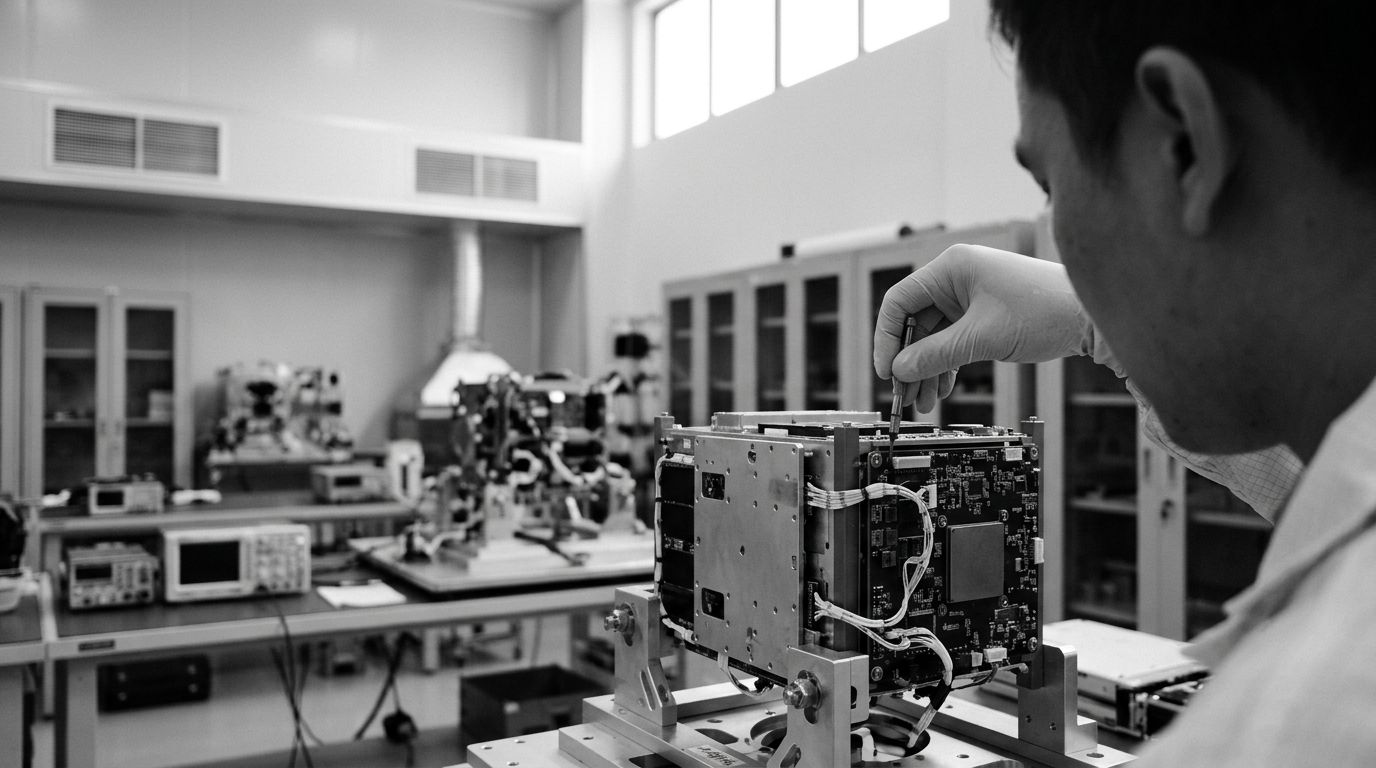
Vietnamese aerospace company VinSpace said it has signed an agreement to place its first domestically developed satellites into orbit via SpaceX’s Transporter ride-share program in the second quarter of 2027.
The Hanoi-based company said the flight is designed to validate its satellite modules under real orbital conditions, as it works toward operational missions. VinSpace described the launch contract as a move from laboratory development toward field-tested missions.
SpaceX Transporter mission and VinSpace’s in-orbit test plan
VinSpace said it will keep end-to-end responsibility for VinSpace said it will keep end-to-end responsibility for its systems after deployment, including research, development, manufacturing, and ongoing operation of the hardware. The company presented the ride-share launch as a practical platform for in-orbit testing while maintaining full accountability for what it builds. VinSpace Chief Executive Officer Vu Trong Thu said the SpaceX agreement is intended to connect Vietnam to the broader space value chain. He added that demonstrating in-orbit performance of domestically developed satellite modules is a key condition for converting the engineering team’s research capability into workable missions. The company did not provide additional technical specifications in its statement, leaving the spacecraft’s design details and performance targets undisclosed at this stage.
Commercial roadmap linked to a 2027 orbit target
The Hanoi The agreement follows an initial schedule VinSpace outlined in April, when it first indicated an ambition to reach orbit by 2027. Company executives said the upcoming SpaceX missions are aimed at widening international partnerships and supporting a gradual path toward commercialization for Vietnam’s domestic space technology. Thu said the longer-term objective is to help establish a commercial aerospace ecosystem in Vietnam and connect the country with global industry operators. VinSpace positioned the Transporter missions as part of a longer horizon rather than a one-off demonstration. Ownership, funding, and Vietnam’s strategic technology framework VinSpace said it was formally incorporated in November with 300 billion Vietnamese dong ($11.5 million) in committed capital. Corporate filings cited by the company show Vingroup founder and chairman Pham Nhat Vuong controls a 71 percent stake in the aerospace unit, while the broader Vingroup conglomerate holds an additional 19 percent.
The filings also say Pham Nhat Vuong’s two sons, Pham Nhat Quan Anh and Pham Nhat Minh Hoang, each hold approximately 5 percent. VinSpace is a subsidiary of the Vingroup conglomerate.
The company’s timeline also aligns with a 2024 directive from Vietnam’s ruling Communist Party that designated outer space as a national strategic technology domain, alongside maritime and subterranean sectors. Vietnam has maintained ongoing activity in orbit since deploying its first national satellite, VINASAT-1, in 2008.
VinSpace said the planned 2027 deployment will test whether a private, commercially oriented aerospace ecosystem can operate effectively in Vietnam under this strategic framework. For now, key uncertainties include the specific technical configuration of the satellites and the detailed scope of the in-orbit validation plan, which the company has not disclosed.