Trump's Iran War Remarks Lack Clarity Amid Oil Surge
Former U.S. President Donald Trump delivered an ambiguous assessment of the ongoing U.S.
Lauren Collins ·
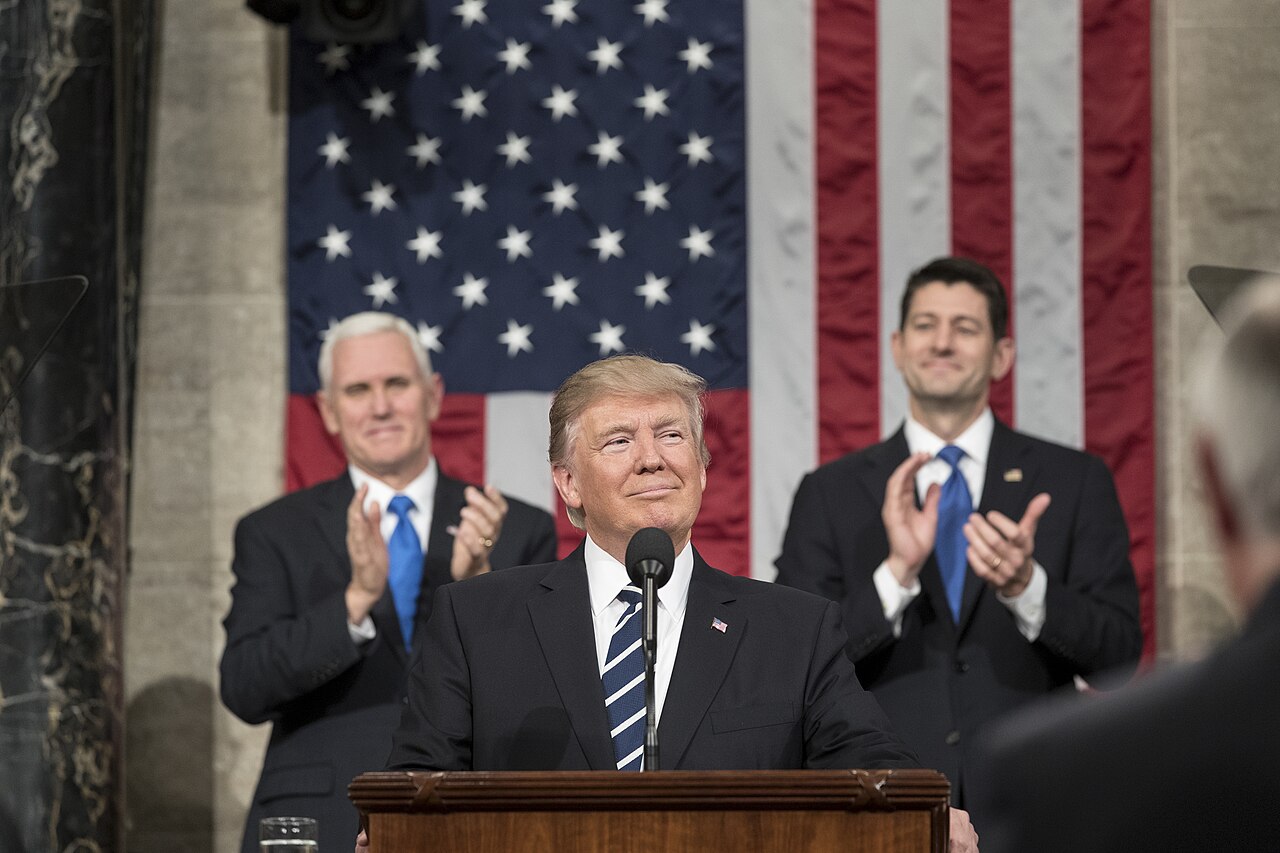
Former U.S. President Donald Trump delivered an ambiguous assessment of the ongoing U.S. military involvement in Iran during a press conference on Monday at Trump National Doral Miami. His statements offered no clear timeline or defined objectives for the intervention, which marks the most significant U.S. military engagement in the Middle East in recent years. These remarks coincided with a notable increase in global oil prices, surpassing $100 per barrel.
During the 35-minute address, Trump presented conflicting views on the conflict's status. He asserted that the war was "very complete, pretty much," yet simultaneously indicated that the U.S. intended to "go further," suggesting an unfinished operation. He also claimed the war was "won" but "not won enough," contributing to uncertainty regarding the administration's strategic direction and potential future actions, including withdrawal or escalation.
Unsubstantiated Missile Claim
Trump also introduced an unverified claim concerning Iran's alleged acquisition and use of a Tomahawk missile. He stated that this missile was purportedly used to attack a girls' school in Minab, resulting in over 168 casualties, primarily children. This assertion, implying Iranian possession of such advanced weaponry and an ongoing investigation, has not been corroborated by other U.S. officials or intelligence agencies.
Context of U.S. Middle East Policy
The U.S. has maintained a significant military presence in the Middle East for decades, often citing regional stability and counter-terrorism efforts. Recent interventions have frequently focused on preventing the proliferation of weapons and countering state-sponsored threats. The current engagement in Iran follows a period of heightened tensions and strategic competition in the Persian Gulf region, impacting global energy markets and international relations.
Economic and Geopolitical Implications
The surge in oil prices above $100 per barrel directly reflects market anxieties surrounding geopolitical instability, particularly in major oil-producing regions like the Middle East. Such price increases can lead to inflationary pressures globally, affecting consumer spending and industrial costs. The lack of clear communication from a major global power regarding military engagements can exacerbate market volatility and investor uncertainty, influencing currency valuations and bond yields.
International Reactions and Future Outlook
S. on military actions to align their diplomatic and economic strategies. Ambiguous declarations can complicate international efforts to de-escalate conflicts or form cohesive responses. S. involvement in Iran, including the potential for further military action or a diplomatic resolution, remains a critical point of focus for global politics and energy security. The absence of a defined strategy could prolong instability and maintain elevated risk premiums in commodity markets.
Implications
Country Impact: The U.S. administration's unclear stance on Iran could complicate diplomatic efforts and alliances in the Middle East, potentially leading to prolonged regional instability. Iran's alleged actions, if substantiated, would escalate international tensions and could trigger further sanctions or military responses.
Industry Impact: The energy sector faces heightened volatility due to geopolitical uncertainty, as evidenced by rising oil prices. Defense industries may see increased demand for certain technologies, while other sectors reliant on stable supply chains could experience disruptions.
Market Impact: Global financial markets, particularly commodity markets, are likely to remain sensitive to developments in the Middle East. Increased oil prices could fuel inflation, prompting central banks to consider tighter monetary policies, impacting equities and bond yields globally.