Australia Strengthens Temporary Visa Entry Controls
Australia introduces new legislation granting the Home Affairs Minister powers to restrict temporary visa holders' entry, effective this week.
Lauren Collins ·
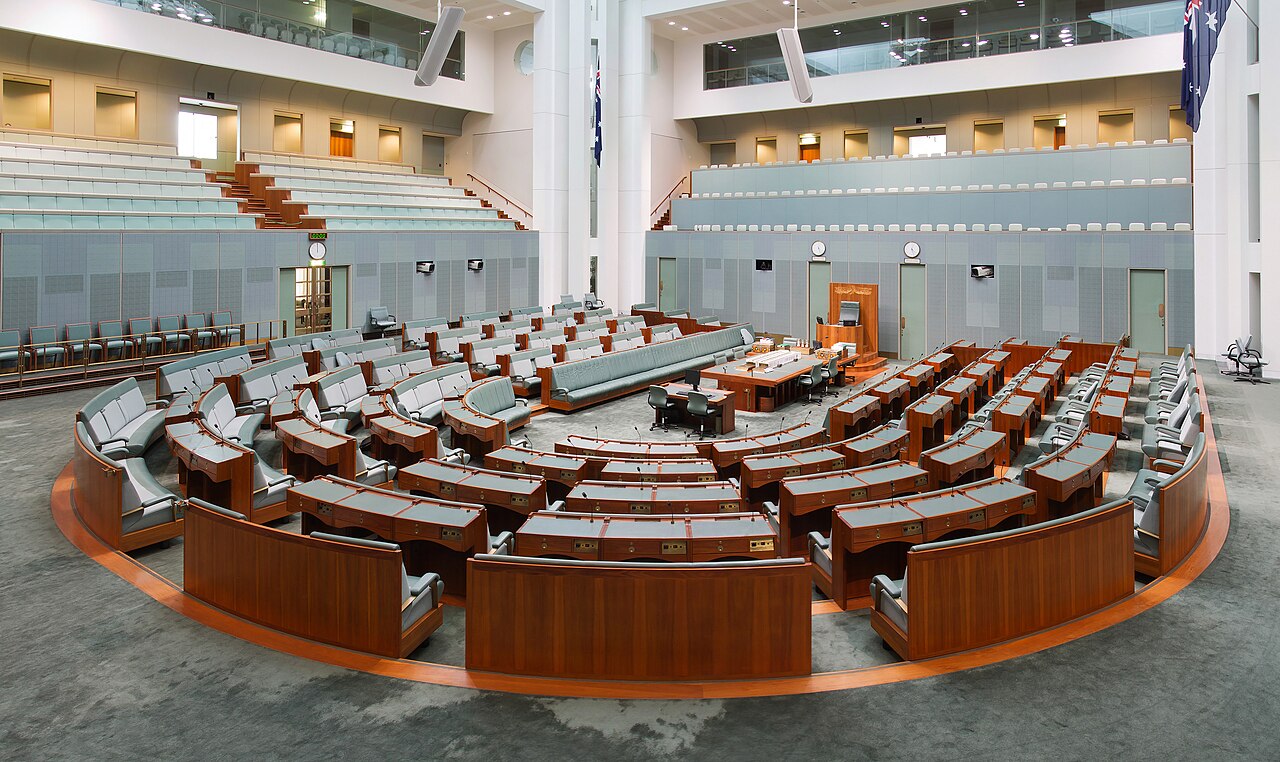
Australia's government has introduced new legislation granting the Home Affairs Minister enhanced authority to regulate the entry of temporary visa holders. This measure, effective this week, allows for the issuance of an “arrival control determination” to prevent individuals from specific regions from entering the country under certain global circumstances.
Assistant Citizenship Minister Julian Hill presented the proposed law, which aims to bolster the integrity of Australia's immigration framework. The legislation is designed to address potential issues such as visa overstays or an increase in asylum applications from temporary visitors, particularly in response to evolving international events.
New Ministerial Powers
The new powers enable the Home Affairs Minister to block temporary visa holders if global conditions shift significantly. While the legislation does not specify particular nations, briefing documents have referenced scenarios like the Middle East conflict as examples where such controls might be applied.
This authority requires the written consent of both the Prime Minister and the Immigration Minister before it can be exercised. The government asserts that these changes are necessary to close existing loopholes within current immigration laws, ensuring that temporary visas are used for their intended purpose.
Political Consensus and Context
The Coalition has indicated its general support for the bill, emphasizing its role in fortifying the migration system. This bipartisan backing highlights a shared concern regarding the potential for international crises to impact the temporary visa program.
The introduction of these powers follows recent events, including the Home Affairs Minister, Tony Burke, facilitating humanitarian visa applications for five members of the Iranian women's soccer team. These individuals were granted asylum earlier this week, underscoring the dynamic nature of immigration policy and humanitarian considerations.
Addressing Global Challenges
The government's move reflects a proactive approach to managing immigration in an increasingly volatile global environment. The legislation provides a mechanism to respond swiftly to geopolitical shifts that could influence the status of temporary visitors.
By strengthening entry controls, Australia aims to maintain control over its borders and ensure that its immigration policies remain robust against unforeseen international developments. This legislative update is part of a broader effort to refine and secure the nation's migration system.
Implications
Country Impact: Australia's immigration policy gains increased flexibility to respond to international events, potentially leading to stricter entry requirements for temporary visa applicants from certain regions. This could impact tourism and temporary labor flows.
Industry Impact: Industries reliant on temporary foreign workers may face increased scrutiny or potential disruptions if new arrival control determinations are implemented. The legal and administrative sectors dealing with immigration could see increased activity.
Market Impact: The direct market impact is likely minimal, but any perceived tightening of immigration could subtly influence investor sentiment regarding Australia's openness to global talent and trade, particularly in sectors with high reliance on international mobility.