USS Lincoln Returns Amid Gulf Tensions, Extended Deployment Ends
The USS Abraham Lincoln is returning after nearly 300 days deployed, bringing almost 5,000 troops home as Gulf tensions persist between US and Iranian forces.
Mateo Fernandez ·
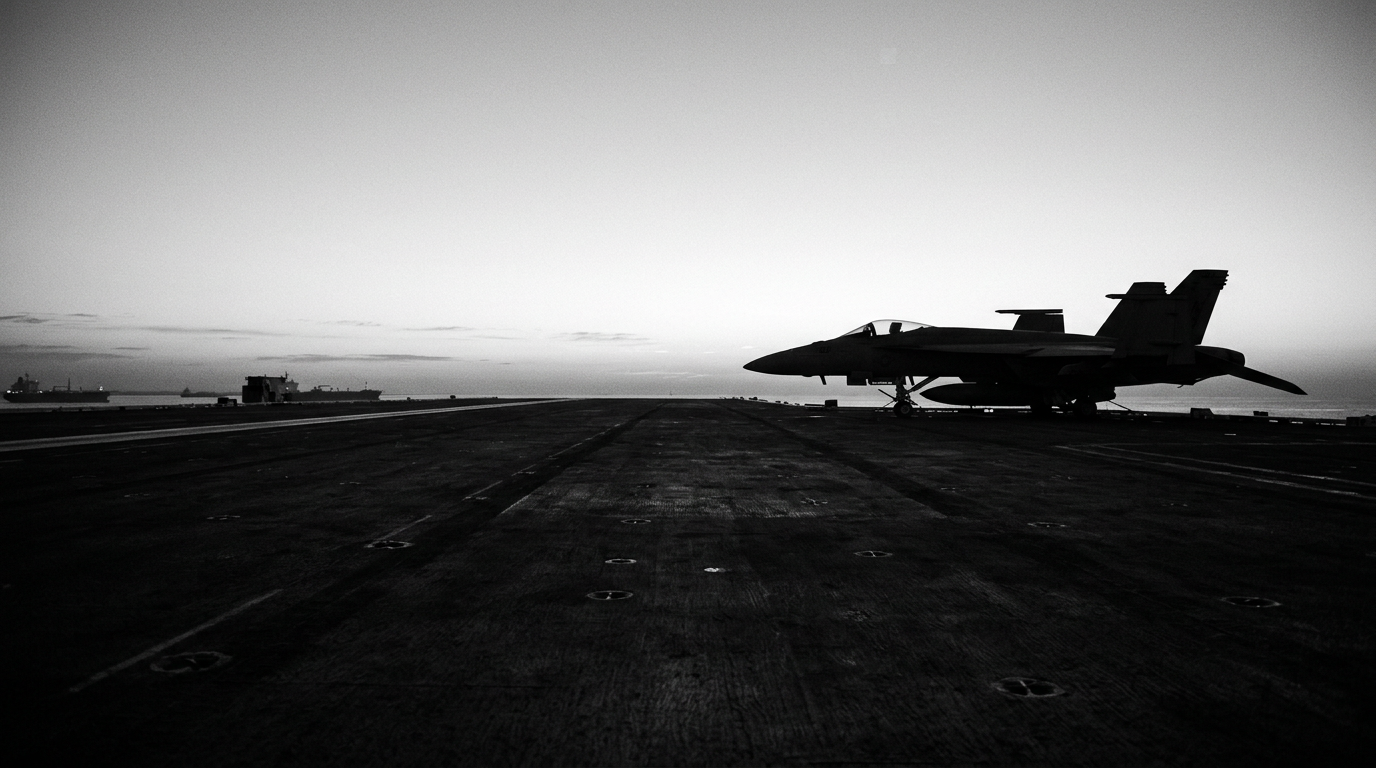
The USS Abraham Lincoln aircraft carrier is sailing towards its home port, concluding a deployment of nearly 300 days. This movement involves approximately 5,000 service members returning to the United States. The carrier's return comes amidst ongoing exchanges between US and Iranian forces in the Gulf region, particularly following recent attacks over the weekend.
The duration of this deployment stands out, significantly exceeding typical operational rotations, which are usually measured in months rather than approaching a full year. This extended period highlights the persistent demand for naval presence in strategically sensitive areas. The scale of personnel returning underscores the human element of prolonged military missions.
Naval Presence and Regional Dynamics
The departure of the USS Abraham Lincoln means a large carrier strike group's personnel are completing an extensive mission in a theater that remains active and volatile. Military commanders face the challenge of managing a complex security environment in the Gulf, where naval assets serve as a key deterrent. The continuation of attacks could necessitate adjustments to other naval schedules or a greater reliance on alternative military capabilities to maintain a visible and effective deterrent posture.
For the personnel involved, the carrier's return offers respite after a lengthy period away from home. Timely rotation eases the pressure on sailors and their families, a critical factor for morale and operational readiness. The next significant date for observers is September 8, 2026, when further information regarding the carrier's transit and any subsequent developments in the Gulf is expected.
Broader Market and Sector Implications
The situation in the Gulf region carries significant weight for global markets, primarily due to its central role in energy shipping. While specific oil price movements related to the recent incidents were not immediately available, heightened tensions in this area typically introduce a security premium into freight, insurance, and crude oil pricing. The potential for disruption to critical shipping lanes remains a key concern for the global energy sector.
Should the exchanges between forces remain localized, the market impact might be contained to this regional security premium. However, any escalation or spread of attacks near international shipping routes could have broader macroeconomic consequences. Such developments could influence global oil prices, impact inflation expectations, and affect overall risk appetite across various financial markets, highlighting the interconnectedness of regional security and global economic stability.