US widens Iran strikes as Gulf bases targeted
US attacks pushed deeper into Iran as Tehran hit Gulf military facilities and Hormuz shipping traffic dropped sharply.
Mateo Fernandez ·
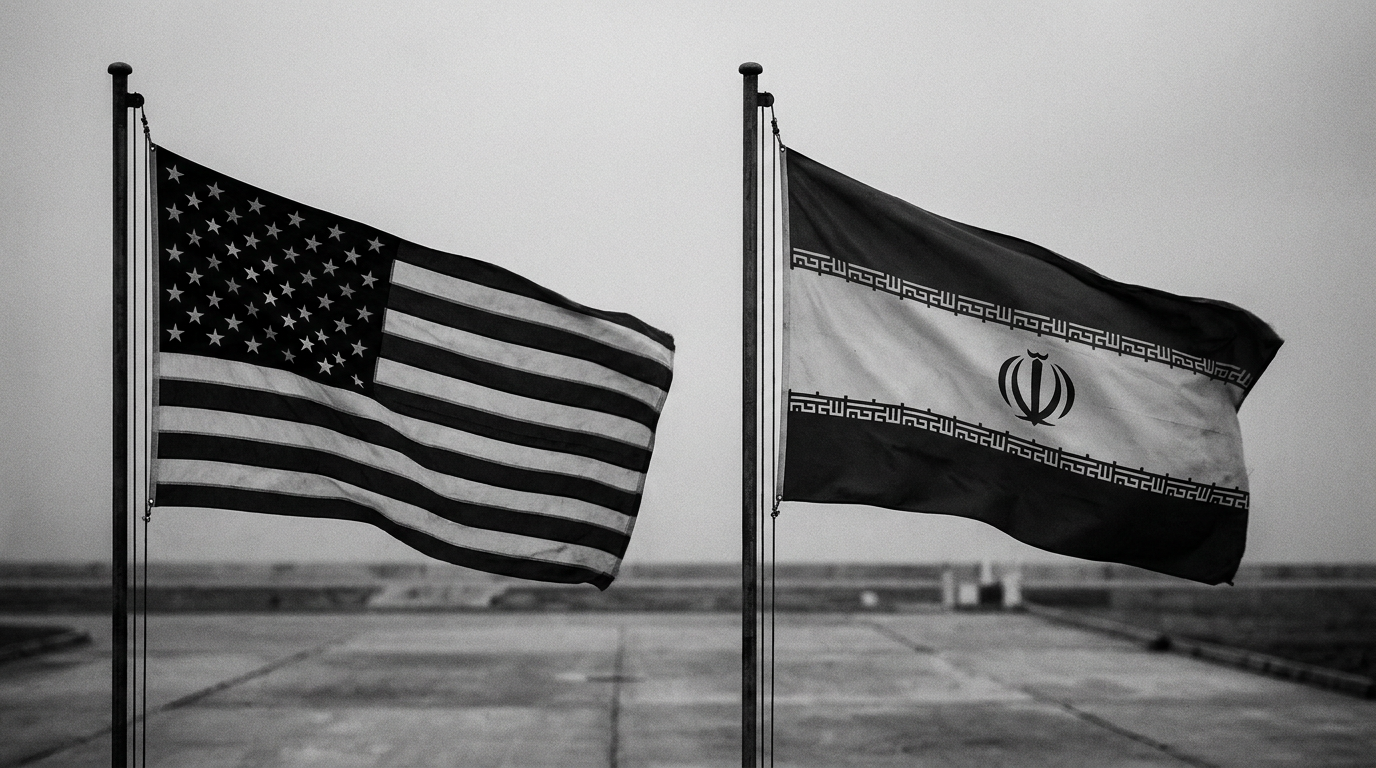
The United States completed a seventh consecutive night of strikes on Iran on July 18, expanding attacks deeper inside the country, officials said. Tehran responded by targeting US military facilities across the Gulf, while shipping traffic through the Strait of Hormuz fell sharply, data cited in initial reports showed.
The escalation puts the conflict on a direct energy-security channel. Hormuz is the narrow maritime route linking Gulf producers to global buyers, so any sustained disruption can feed quickly into oil pricing, freight insurance, tanker scheduling and inflation expectations.
Hormuz traffic becomes pressure point
The immediate risk is not only the exchange of fire. It is whether shipowners, insurers and energy traders begin treating the strait as a higher-risk route even without a formal closure. If traffic stays depressed, crude flows could become less predictable, pushing importers to seek alternative cargoes and raising costs across the supply chain.
For Washington, deeper strikes signal a broader campaign and increase the chance of retaliation against regional assets. For Tehran, attacks on Gulf facilities widen the arena beyond Iranian territory and raise the stakes for governments hosting US forces.
The industry effect would run through oil, shipping and defense. Energy markets would focus on physical supply risk; tanker operators would weigh rerouting, delays and insurance premiums; defense companies could see attention shift toward air defense, surveillance and base protection.
By July 19, 2026, the key test is whether Hormuz traffic stabilizes or falls again. If flows recover, markets may treat the episode as contained; if traffic keeps sliding, the conflict moves closer to a macro shock through energy prices, shipping costs and regional risk premiums.