US-Iran strikes raise Asia’s Hormuz risk, pressuring energy and shipping
US strikes in Iran and tanker explosions in the Strait of Hormuz threaten energy supply and shipping stability for vital Asia-Pacific oil imports.
Mei Lin ·
# US-Iran strikes raise Asia’s Hormuz risk, pressuring energy and shipping
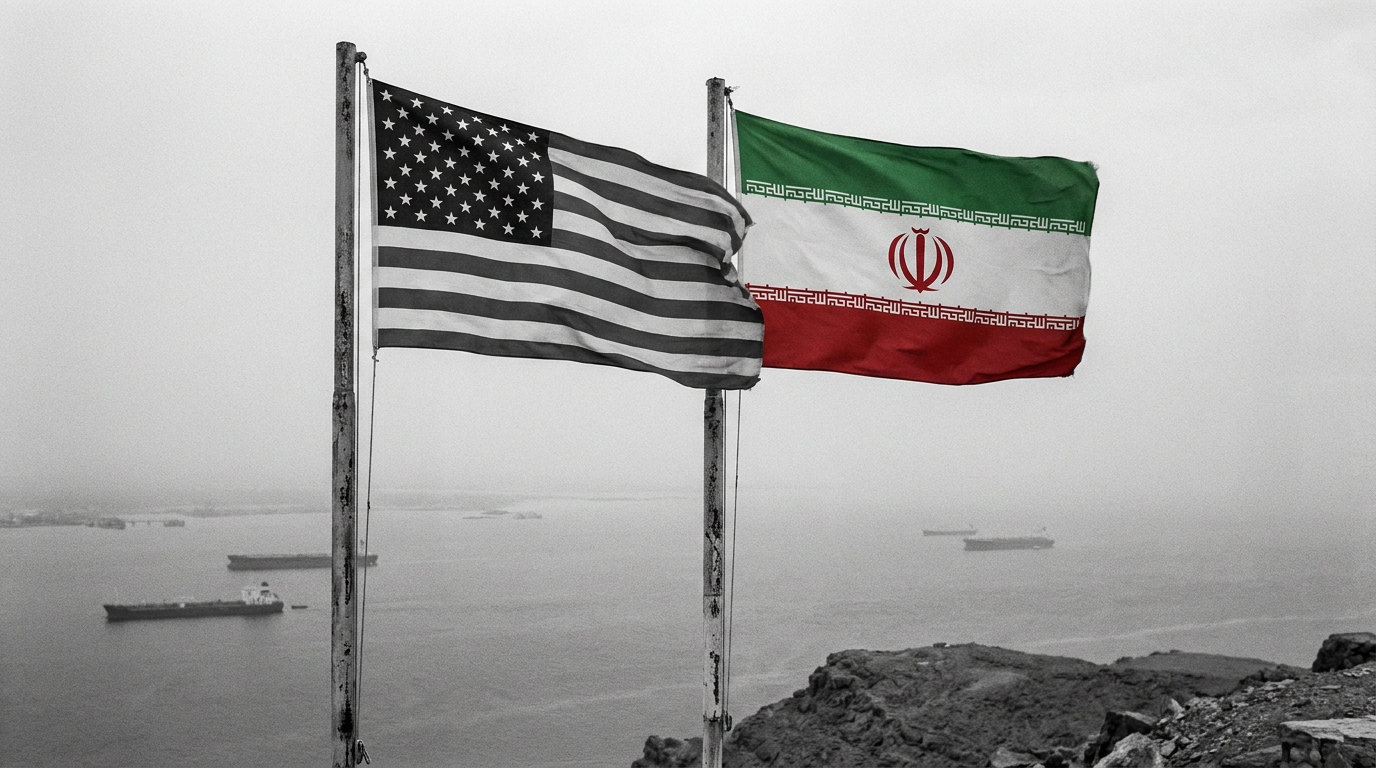
US Central Command (Centcom) said the US struck military and maritime targets in Iran as the conflict entered a seventh consecutive night, according to the live updates report. Tehran, meanwhile, claimed tanker explosions in the Strait of Hormuz and warned of a wider offensive if US strikes continue.
Even though the fighting is centered in the Even though the fighting is centered in the Middle East, the Strait of Hormuz sits on the supply chain map of Asia’s largest economies. A sustained confrontation that threatens commercial shipping would transmit quickly into Asia-Pacific energy prices, shipping costs, and diplomatic calculations.
The Strait of Hormuz is a narrow maritime chokepoint connecting the Persian Gulf to the Gulf of Oman and the wider Indian Ocean. For Asia-Pacific importers, it functions as a gateway for crude oil and refined fuels loaded in Gulf ports and shipped eastward.
The latest escalation described in the report goes beyond the long-running pattern of proxy and covert pressure in the region by directly linking US strikes on Iranian territory with Iranian claims involving commercial tankers. When threats shift from land-based exchanges to maritime disruption, the immediate economic exposure rises because oil, liquefied natural gas, and general cargo flows depend on predictable transit and insurable voyages.
US Central Command
For Asia-Pacific, the fastest channel of impact is energy pricing. If tanker traffic through the Strait of Hormuz is perceived as unsafe, buyers and refiners in Asia can face higher crude benchmarks, wider freight spreads, and tighter delivery windows, even before any confirmed physical shortage. That can feed into inflation pressures and complicate central bank decisions across the region.
The second channel is trade logistics. A Hormuz-linked security shock tends to lift war-risk premiums, raise shipping insurance costs, and push carriers to reroute or slow transit, which can delay inputs for Asian manufacturers and increase costs for exporters. It also forces regional governments to weigh security posture and naval coordination more openly, especially for countries whose energy security relies on stable sea lanes from the Middle East through the Indian Ocean.
By 2024-08-31, track three observable indicators that would confirm whether this is becoming an Asia-facing economic shock: (1) sustained moves in Brent crude prices, (2) changes in shipping insurance premiums for vessels transiting the Strait of Hormuz, and (3) official statements from major Asia-Pacific importers on energy security measures or contingency planning. If US-Iran escalation continues and attacks on shipping materially disrupt oil flows, those indicators should move in the direction of tighter supply expectations and higher shipping costs; if the conflict de-escalates and stable transit resumes, pricing and premiums should ease and government messaging should shift back toward reassurance rather than emergency planning.