Vance pledges higher Hormuz oil and gas shipments
JD Vance said on August 9 the US will increase oil and natural gas shipments through the Strait of Hormuz to ease global supply strains.
Mateo Fernandez ·
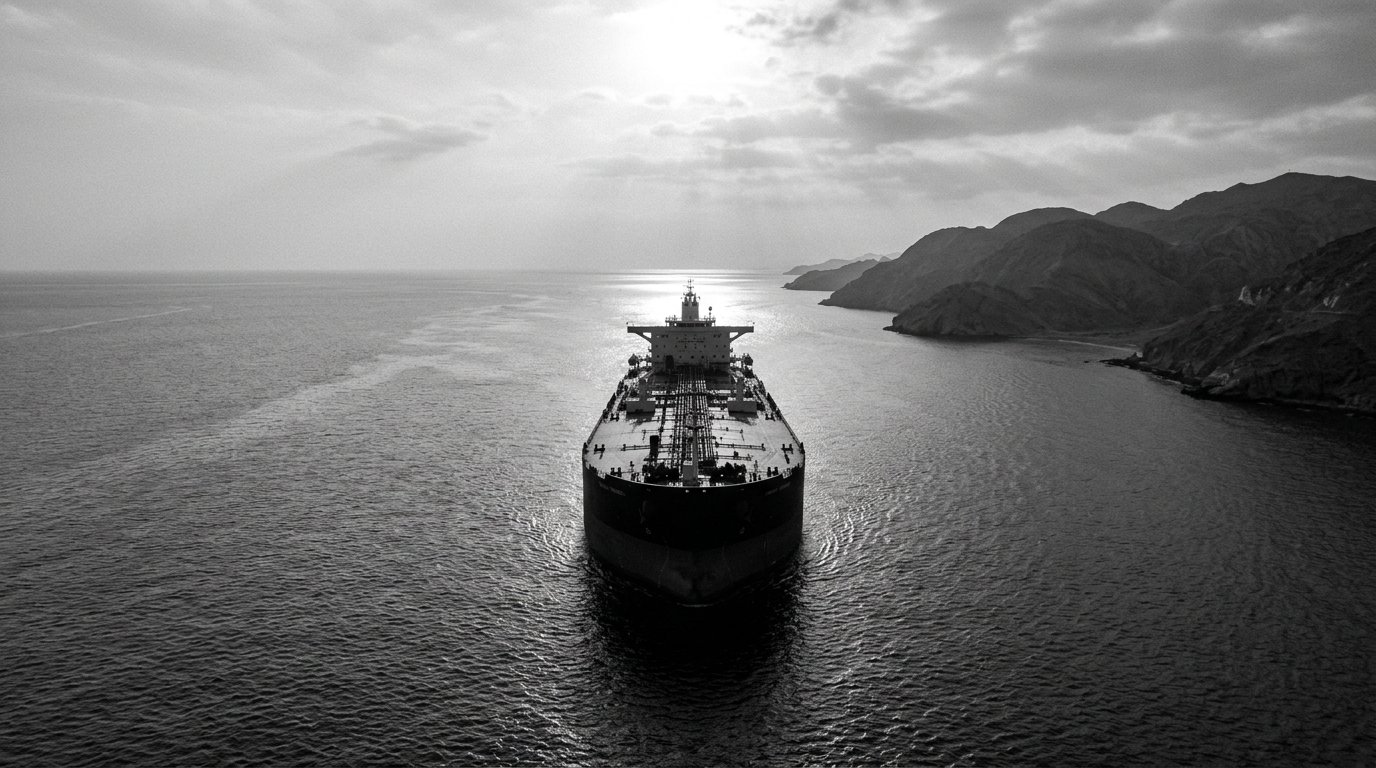
US President JD Vance said Washington will increase oil and natural gas shipments through the Strait of Hormuz, describing the move as a way to ease global supply strains. Vance made the remarks on August 9, according to an official statement.
Officials characterised the step as an effort to bolster energy deliveries from the Persian Gulf and to reassure markets about the continuity of supply. They did not provide figures for the planned increase, leaving the scale and timing of any change unclear.
Strait of Hormuz in the policy plan
US President JD Vance The Strait of Hormuz is a key transit point for hydrocarbon exports from the Persian Gulf, linking regional terminals to global buyers. Officials said the policy is intended to raise throughput through the waterway, a change that—if carried out—could reduce bottlenecks affecting crude shipments and pipeline-linked natural gas flows. In describing the approach, officials framed the effort as operational rather than a shift in production policy. They said the focus is on increasing tanker passages and improving coordination with regional partners, rather than attempting to influence output decisions by producers. Operational focus and what markets will track Officials emphasised that raising physical transit can change short-term logistics even if volumes produced upstream do not immediately change. That framing separates the announced intention—moving more energy through a chokepoint—from broader questions about producer supply strategy.
If Washington implements extra shipments
If Washington implements extra shipments, officials said markets are likely to monitor several near-term indicators tied to the strait. Those include tanker loadings, export schedules, and insurance premiums for vessels transiting Hormuz, which can reflect operational conditions and perceived risk.
Officials pointed to August 31, 2026 as a point by which early signals should be clearer. They said a measurable rise in reported tanker departures from Persian Gulf terminals would be among the most direct indications that the plan is being executed.
No market reaction data was available in the source material. The announcement also did not include verifiable figures for the planned increase, leaving open questions about how much additional throughput is being targeted and how quickly any changes could be reflected in shipping data.