U.S. troop deaths in Jordan sharpen Washington’s Iran deterrence debate
U.S. service member deaths in Jordan are pushing the White House toward a harder response against Iran-backed groups, testing efforts to avoid a wider war.
Lauren Collins ·
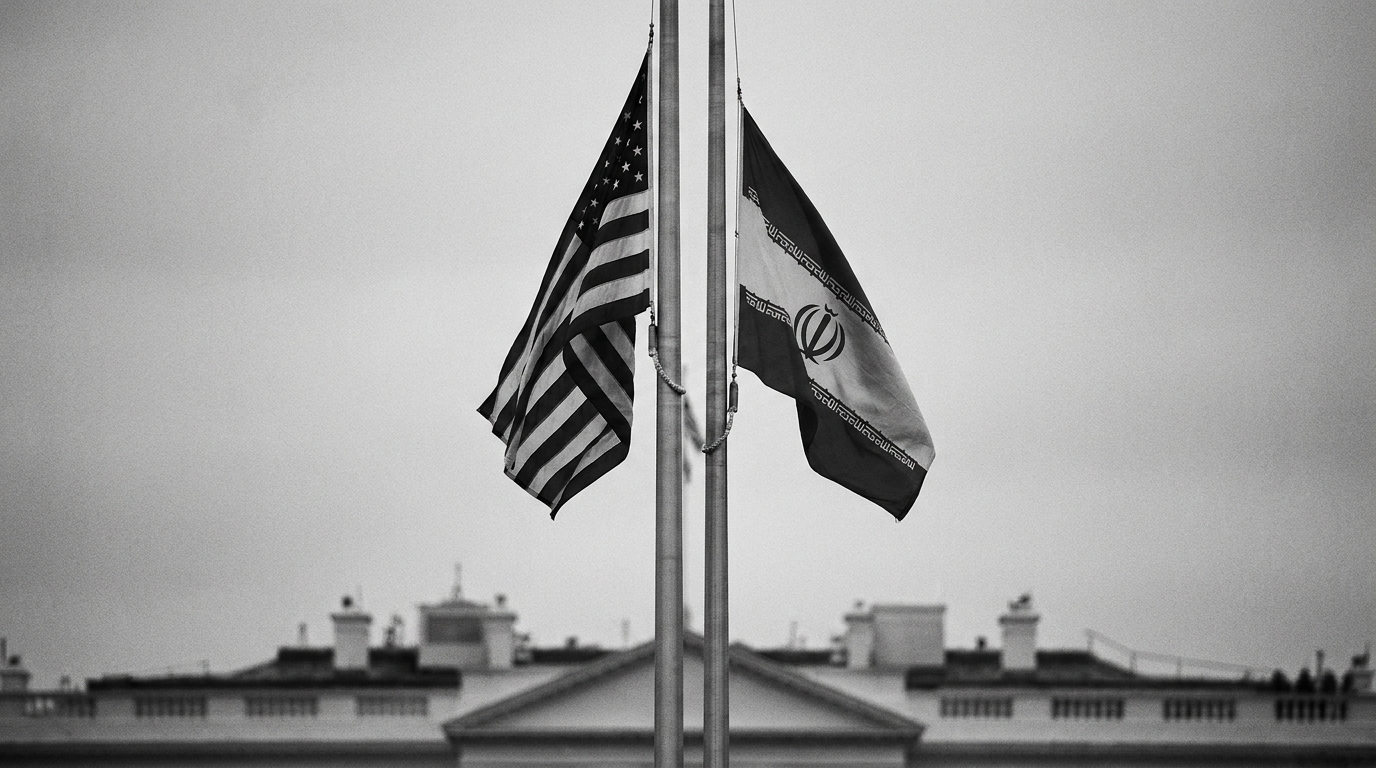
# U.S. troop deaths in Jordan sharpen Washington’s Iran deterrence debate
Washington moved into crisis mode after U.S. military officials said American service members were killed and another was missing following an attack on U.S. forces in Jordan. The strike, attributed in the broader U.S. debate to Iran-backed militants, has reopened the central question facing the White House: how to punish the network behind the attack without triggering a direct war with Tehran.
White House
The immediate pressure is on President Joe Biden’s national security team, which has tried to contain regional spillover from the Israel-Hamas war while keeping U.S. troops in Iraq, Syria and Jordan focused on counterterrorism and force protection. The deaths crossed a political and military threshold in Washington because attacks on U.S. positions had already become frequent, but fatal American casualties raise the cost of restraint.
Jordan is a close U.S. security partner and a strategically sensitive platform for American operations near Iraq, Syria, Israel and the Gulf. U.S. forces there support regional air defense, intelligence sharing, logistics and efforts tied to the continuing campaign against remnants of the Islamic State. That presence is not designed as an open-ended war with Iran, but it sits inside the same geography where Iranian-aligned groups operate.
The Biden administration inherited competing Iran policies from the previous two administrations. Barack Obama’s team pursued the 2015 nuclear agreement to limit Iran’s nuclear program through diplomacy. Donald Trump withdrew from that agreement and used sanctions under a “maximum pressure” strategy. Biden sought to reduce the temperature while preserving sanctions leverage, but the Gaza war has made that approach harder to sustain.
White House
Iran’s regional network gives Tehran influence without requiring direct conventional confrontation. Armed groups in Iraq and Syria have targeted U.S. facilities, while the Houthis in Yemen have attacked Red Sea shipping and drawn U.S. and allied strikes. Washington often describes these actors as Iran-backed rather than as Iranian units, a distinction that matters because it shapes whether retaliation hits local militias, Iranian personnel, or infrastructure tied more directly to Tehran.
For the Pentagon, the Jordan attack raises a force-protection problem as much as a deterrence problem. If U.S. troops remain deployed across exposed sites, the administration must show it can reduce the risk of repeated drone and missile attacks. If it pulls forces back too visibly, critics in Congress may frame that as a victory for Tehran and its partners.
Congress will now shape the political boundaries of the response. Republican defense hawks are likely to demand a broader strike package and accuse the White House of inviting escalation through caution. Some Democrats will back retaliation against the attackers while warning against a campaign that bypasses congressional authorization for a wider conflict with Iran.
The National Security Council faces the narrowest lane. A small strike could be dismissed by Iran-backed groups as tolerable. A direct hit on Iranian assets could restore deterrence, but it could also invite a cycle of retaliation against U.S. troops, Israel-linked targets, Gulf partners or commercial shipping.
The falsifiable test is whether U.S. retaliation by 2024-02-15 is prompt, visible and targeted enough to reduce attacks on American forces without expanding the battlefield into a direct U.S.-Iran exchange. If Washington hits leadership nodes, drone infrastructure or command links tied to Iran-backed groups and attacks then fall, the White House can argue that deterrence has been partly repaired; if the response is delayed or narrow and attacks continue, pressure will grow inside Congress and the Pentagon for a larger campaign that could pull the United States deeper into the region’s conflicts.