US deaths in reported Iran strike sharpen Washington pressure on Biden
A July 17 attack on a U.S. base in Jordan has turned Iran policy into an immediate test of deterrence, retaliation, and intense congressional pressure.
Lauren Collins ·
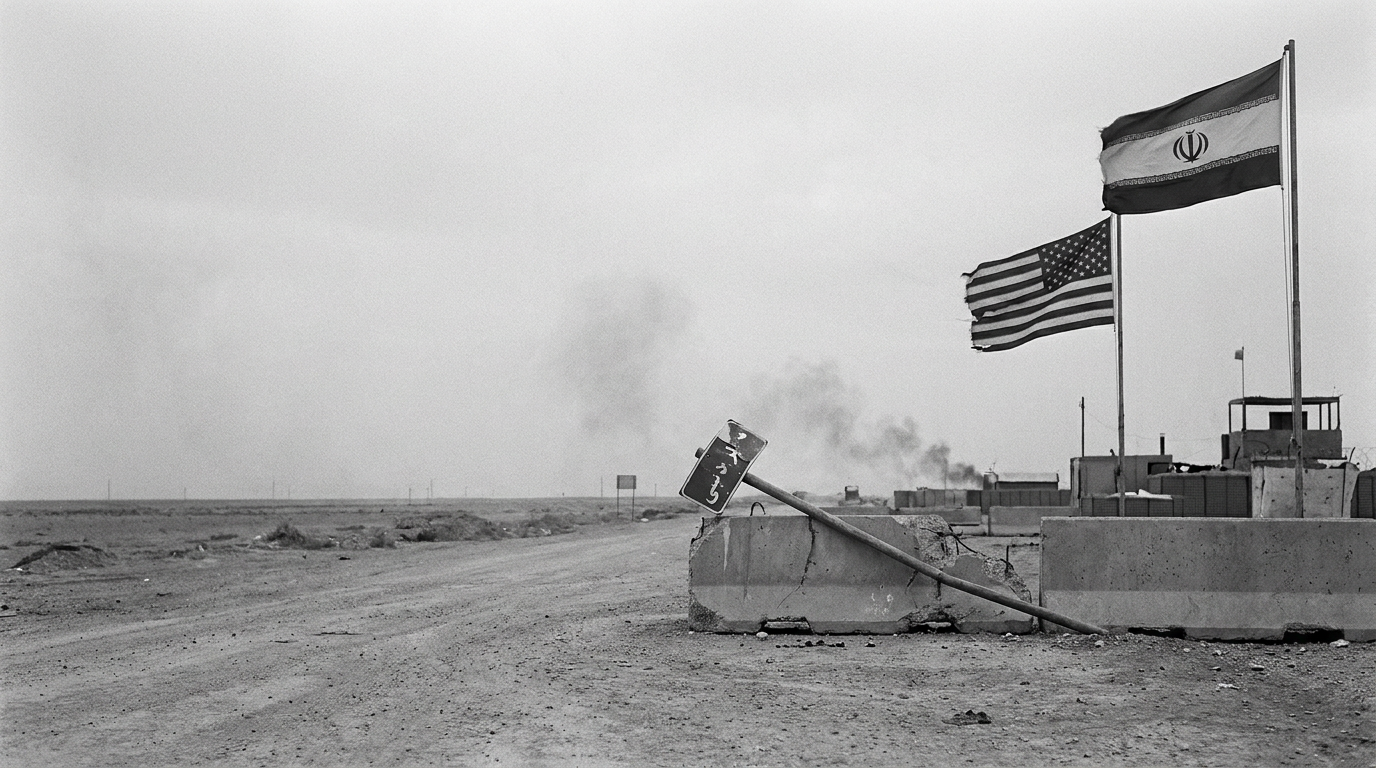
# US deaths in reported Iran strike sharpen Washington pressure on Biden
A reported Iranian missile and drone attack on a U.S. base in Jordan on July 17 killed two American service members, injured four others and left a third missing, according to the source summary provided for this article. In Washington, the casualties shift the argument from whether U.S. deterrence is holding to whether President Biden can avoid a broader conflict while answering a direct hit on American forces.
Deaths in uniform give Congress a sharper opening
The attack, described in the source material as involving Iranian ballistic missiles and drones, crosses a political threshold that prior regional strikes often did not. Deaths in uniform give Congress a sharper opening to demand retaliation, and they narrow the White House’s room to rely on warnings, sanctions or limited strikes against proxy groups.
U.S. forces remain deployed across the Middle East to support counterterrorism missions, protect partner states and help deter attacks on American personnel and allied interests. Bases in Jordan sit in a sensitive geography: close to Iraq and Syria, near Israel’s eastern approaches, and within the wider contest among Washington, Tehran and Iran-aligned armed groups.
The source material identifies the strike as an Iranian attack, rather than an operation claimed only by a proxy militia. That distinction matters in Washington. When attacks are attributed to Iranian-backed groups in Iraq or Syria, the U.S. response can be framed as a strike on proxy infrastructure; when Tehran itself is blamed, pressure grows to target Iranian military assets more directly.
In Washington
The broader regional setting is already combustible. The Israel-Hamas war has pulled U.S. diplomacy, air defenses and naval forces into a wider containment mission, while Houthi attacks in the Red Sea have forced Washington to protect commercial shipping lanes and reassure allies that the U.S. can keep major sea routes open. Iran sits at the center of that network through its support for armed groups and its own missile and drone capabilities.
The Biden administration’s usual policy problem has been calibration. Too little force invites charges that Iran and its partners can hit Americans without paying a serious price; too much force risks setting off a regional war that could draw in Israel, Gulf states, U.S. bases and commercial energy routes. A fatal strike compresses that decision cycle because lawmakers, military commanders and allies all look for a visible answer.
Congress will be the loudest amplifier. Republican defense hawks are likely to argue that limited retaliation has failed, while some Democrats may press the administration to punish Iran without bypassing congressional war powers. The debate will not be only about one strike; it will be about whether the U.S. can protect troops deployed in exposed positions while avoiding open war with a state adversary.
The Pentagon’s immediate concerns are operational. Commanders have to find the missing service member, secure the attacked base, assess whether air defenses failed or were overwhelmed, and determine whether more strikes are incoming. They also have to recommend options that are militarily meaningful but legally and strategically defensible.
Those options fall into several rough categories. The administration could hit Iranian-backed militia sites in Iraq or Syria, strike higher-value Revolutionary Guard assets outside Iran, use cyber operations, expand sanctions, or authorize a more direct attack on Iranian military targets. Each carries a different signal: proxy strikes say Washington is still containing the fight; direct strikes say American deaths have changed the rules.
The White House also has to manage allies. Israel will read the U.S. response for signs of American resolve against Iran, Gulf governments will weigh whether Washington can protect regional bases, and European partners will worry about escalation that could deepen energy and shipping disruptions. The political audience is domestic, but the strategic audience is global.
For Iran, the mechanism is also clear. If Tehran believes Washington wants to avoid a wider war at almost any cost, it may test U.S. red lines through missiles, drones or proxy pressure. If it believes the strike will trigger direct costs for Iranian commanders or assets, it may pull back or shift to deniable operations.
The risk for the Biden administration is that both readings can be wrong. A restrained U.S. response could be interpreted in Tehran as weakness, while a direct strike could be interpreted as the opening of a larger campaign. That is why the next U.S. move will be judged not only by the target list, but by whether it is paired with diplomatic messages that define the limits of the response.
By 2024-07-28, the clearest test is whether influential members of Congress, especially Republicans and hawkish Democrats, move from general calls for accountability to explicit demands for strikes on Iranian territory, Revolutionary Guard facilities, senior commanders or naval assets. The forward call is right if the Biden administration announces a military response clearly described as a direct counter-strike against Iranian military targets or senior IRGC leadership; it is wrong if the response stays limited to proxy targets in Iraq or Syria, sanctions, cyber measures or public warnings, or if congressional leaders temper demands for direct retaliation.