U.S. Plans Terror Designation for Brazil’s PCC and CV
The U.S. will designate Brazil's two largest criminal gangs as terrorist organizations, aiming to disrupt their operations and funding.
Lauren Collins ·
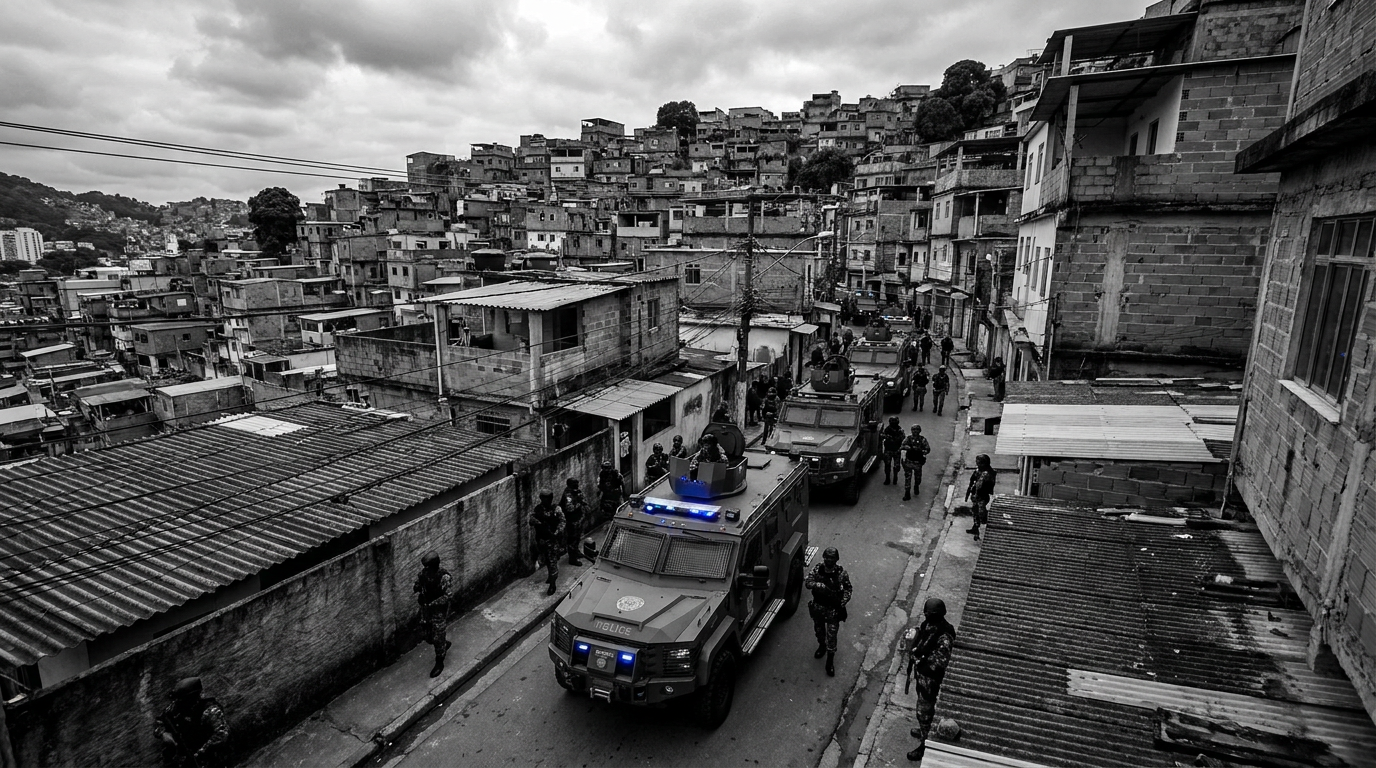
The United States said on May 28, 2026, that it intends to designate Brazil’s two largest criminal organizations, Primeiro Comando da Capital (PCC) and Comando Vermelho (CV), as terrorist organizations. U.S.
Secretary of State Marco Rubio said the designation was planned to take effect on June 5, 2026, and would also include listing the groups as “Specially Designated Global Terrorists.” The move follows lobbying by members of Brazil’s opposition in Brasilia, including Senator Flavio Bolsonaro, who met with Rubio and former President Donald Trump in Washington.
Rubio said the administration views the designations as a tool to target the gangs’ regional networks and finances, and to disrupt drug trafficking that officials say reaches into the United States. The PCC and CV are rivals for trafficking routes and influence in Brazilian prisons, and they dominate the drug trade in much of Brazil, according to officials.
In a statement, Rubio described the groups as among the “most violent criminal organizations in Brazil” and said their influence extends across Latin America. He said the Trump administration would use “all available tools” to protect U.S. national security interests by keeping illicit drugs out of the country and disrupting the revenue streams he said fund “violent narco-terrorists.”
Brazil raises concerns about intervention and financial fallout
President Luiz Inacio Lula da Silva’s administration has previously sought to avoid U.S. terrorist classifications for domestic criminal groups, citing concerns about the potential consequences. Officials in Brazil have warned that such designations could be used to justify U.S. military intervention or trigger sanctions risks for financial institutions that unknowingly do business with people linked to the gangs.
Celso Amorim, Lula’s top foreign policy adviser, reacted cautiously to the announcement and said international cooperation was welcome on issues such as money laundering and arms trafficking. He warned against using the designations as a pretext for intervention.
Political backdrop in Brasilia and Washington
The issue has become politically charged in Brazil ahead of the October presidential election. Flavio Bolsonaro has promoted tougher action against organized crime and has pressed U.S. officials to label the groups as terrorists, according to accounts of the meetings.
Brazil’s Foreign Ministry and the presidential palace did not immediately respond to requests for comment on the U.S. announcement.
Officials and markets will watch for how the designation is implemented from June 5 and whether it expands U.S.-Brazil cooperation on financial investigations and enforcement actions tied to organized crime.