U.S. strikes widen Iran war as Tehran reports 18 killed
The Iran war widened after U.S. strikes killed 18 people, Tehran said, and Iran fired at American bases across the region.
Mateo Fernandez ·
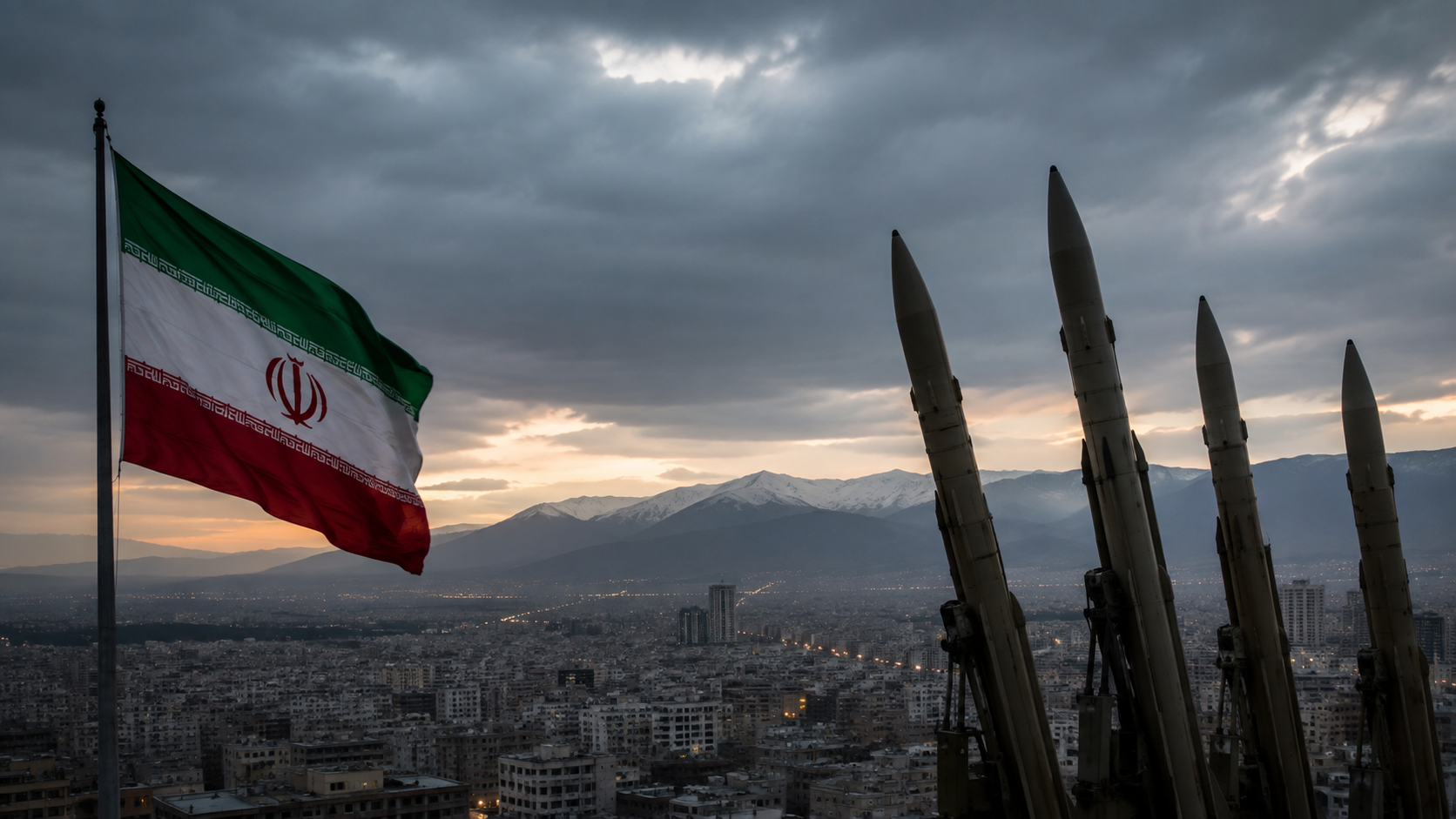
The Iran war widened as U.S. strikes killed 18 people, Tehran said, while Iran fired at American bases from Iraq to Bahrain.
Iranian officials said the latest U.S. attacks hit the country’s southern coast, including areas near the Strait of Hormuz, a shipping route central to Gulf energy flows. Iran’s health minister said 108 people were injured, while Tehran accused Washington of hitting a wedding party and killing four people there.
Strikes reach southern Iran
The U.S. military said its Tuesday strikes targeted air defenses, radar systems, maritime assets, mine-laying capacity and communications sites. Iran reported damage at several locations near the strait, where military activity has added pressure to oil and gas shipping.
Washington also warned of heavier strikes if Iranian attacks continued. Tehran said its response was aimed at U.S. military infrastructure in the Middle East, where American forces operate from bases across Gulf states, Iraq and Jordan.
The casualty picture was contested. Iran said it had killed U.S. forces in Jordan and at a base in northern Iraq, but U.S. officials said initial assessments showed no American casualties.
Regional bases come under fire
Iran said it struck U.S. assets in Bahrain, Jordan, Kuwait and Iraq with missiles and drones. Kuwait’s fire service said it extinguished a blaze at a residential complex hit by a drone, while Bahrain said Iranian drones were intercepted and destroyed.
Qatar, which hosts the largest U.S. air base in the Gulf, held Iran responsible for the attacks and any repercussions. Bahrain hosts the regional headquarters of the U.S. Navy, making it one of the most sensitive nodes in the U.S. military network around the Gulf.
Iran also said two tankers were hit by mines while being steered through the Strait of Hormuz by U.S. personnel. The claim, if confirmed, would shift the confrontation further into the commercial shipping lane that energy producers and importers use to move crude oil, refined fuels and liquefied gas.
Hormuz shipping remains contested
U.S. officials said ships were still being guided through the strait despite Iranian attacks. Energy Secretary Chris Wright said more than 17 million barrels of oil exited on Monday, giving Washington a volume-based anchor for its claim that the passage remained usable.
President Trump said the strait remained open to shipping. He has described the route as one that handled 20% of global oil and liquefied gas shipments before the war, a share that explains why even limited disruption can move energy markets.
Iran escalated its pressure on maritime traffic by blacklisting 11 more ships, raising the total number of listed vessels to 56, according to a government website. Tehran said vessels on the list could face fines, confiscation or detention if they tried to pass through the Strait of Hormuz without Iranian permission.
Markets follow the oil risk
Asian and European equities fell after the airstrikes, while U.S. stocks opened higher in a session where AI-related developments drew investor attention. Oil prices were marginally firmer after earlier touching levels not seen since July, according to market reports cited in the source material.
The market reaction showed how the war is being priced through two channels: direct risk to Gulf energy flows and broader concern over how far Washington and Tehran are prepared to go. For airlines, refiners and shipping firms, the immediate mechanism is fuel cost, insurance pricing and rerouting risk.
If both sides keep attacks mostly directed at military sites and escorted shipping continues, the global effect is likely to remain concentrated in an oil risk premium and higher operating costs for transport and energy companies. That path would still stretch U.S. military resources and keep Gulf governments under pressure to defend bases and ports.
If tanker strikes, mine incidents or base attacks produce confirmed U.S. casualties, the mechanism changes. Oil and liquefied gas flows through Hormuz could slow, Washington could expand strikes, and shipping insurers could reprice Gulf voyages more aggressively, with costs spreading from energy markets into manufacturing and consumer prices.