US Forces Strike Iranian Tankers Amid Gulf Escalation
US Central Command reported its forces targeted three Iranian oil tankers on September 5, 2026, following alleged Iranian attacks on US naval assets.
Mateo Fernandez ·
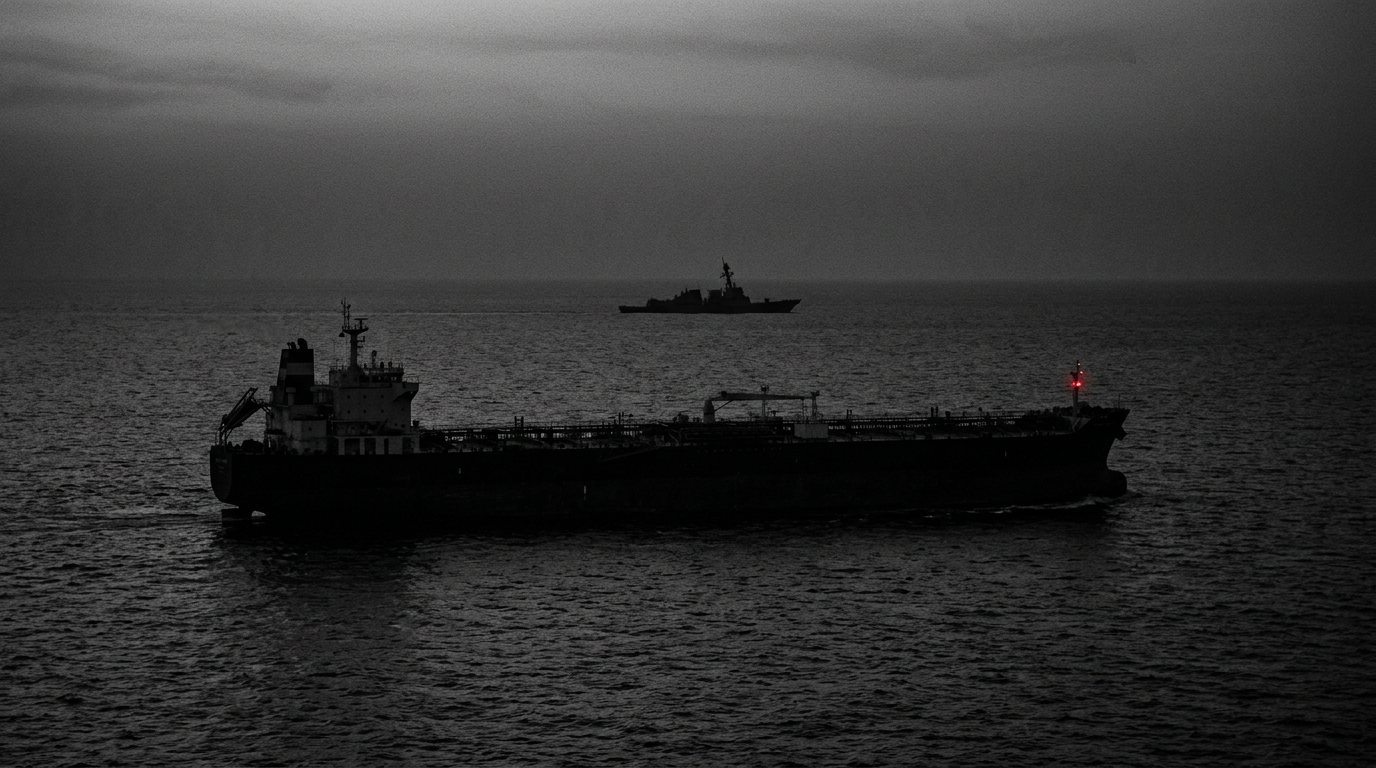
United States military forces engaged and struck three Iranian oil tankers on September 5, 2026, according to official statements from US Central Command. This operation occurred after a US aircraft carrier and a guided-missile destroyer reportedly evaded multiple assault attempts attributed to Iranian forces in the Persian Gulf region. The incident represents a significant increase in direct military confrontation between the US and Iran, particularly involving critical energy infrastructure in a vital maritime passage.
US Central Command characterized the Iranian actions against its naval vessels as unprovoked. However, these assertions were made by US officials, and initial reports did not include commentary from Iranian authorities. This absence of a dual perspective leaves the precise sequence of events and any damage assessments open to potential dispute.
Escalating Maritime Tensions
The recent strikes introduce a new dimension to an ongoing confrontation, specifically focusing on maritime and energy security. Officials had previously indicated that US naval assets were already involved in the broader regional situation. This development also follows a statement by President Trump the previous day, where he reportedly downplayed the conflict as being of minor importance.
The immediate aftermath of these strikes will be closely observed for further reports from both US and Iranian officials. Key indicators will include any additional alleged attacks, potential casualties, or disruptions to commercial tanker traffic. The broader macro-economic impact, especially on global crude oil markets, shipping rates, and safe-haven assets, is expected to depend on whether this exchange remains limited to the reported tanker engagements or if further aggression occurs.
Market Repercussions and Future Outlook
Should the situation de-escalate without additional aggressive actions, the primary market effect would likely manifest as an increase in risk premia across affected sectors. However, if either side confirms new attacks, the market dynamics could undergo considerable shifts. Insurers, shipping companies, and oil refiners would likely begin to incorporate higher transit risks in the Persian Gulf into their pricing, potentially leading to increased costs for global energy supplies.
Furthermore, renewed attacks would intensify pressure on US commanders to ensure the robust protection of their naval vessels. Concurrently, Iran's oil sector could face heightened international scrutiny, potentially resulting in additional international sanctions or disruptions to its operations. By September 6, 2026, the crucial market indicator will be any confirmed loss of oil supply, rather than merely the initial report of the strikes themselves. This event strongly highlights the inherent volatility of the region and its pervasive impact on global energy stability.