U.S. strikes Iran third day as blockade looms
U.S. forces struck Iran for a third day while officials said President Trump is weighing a blockade, raising conflict risks across the region.
Mateo Fernandez ·
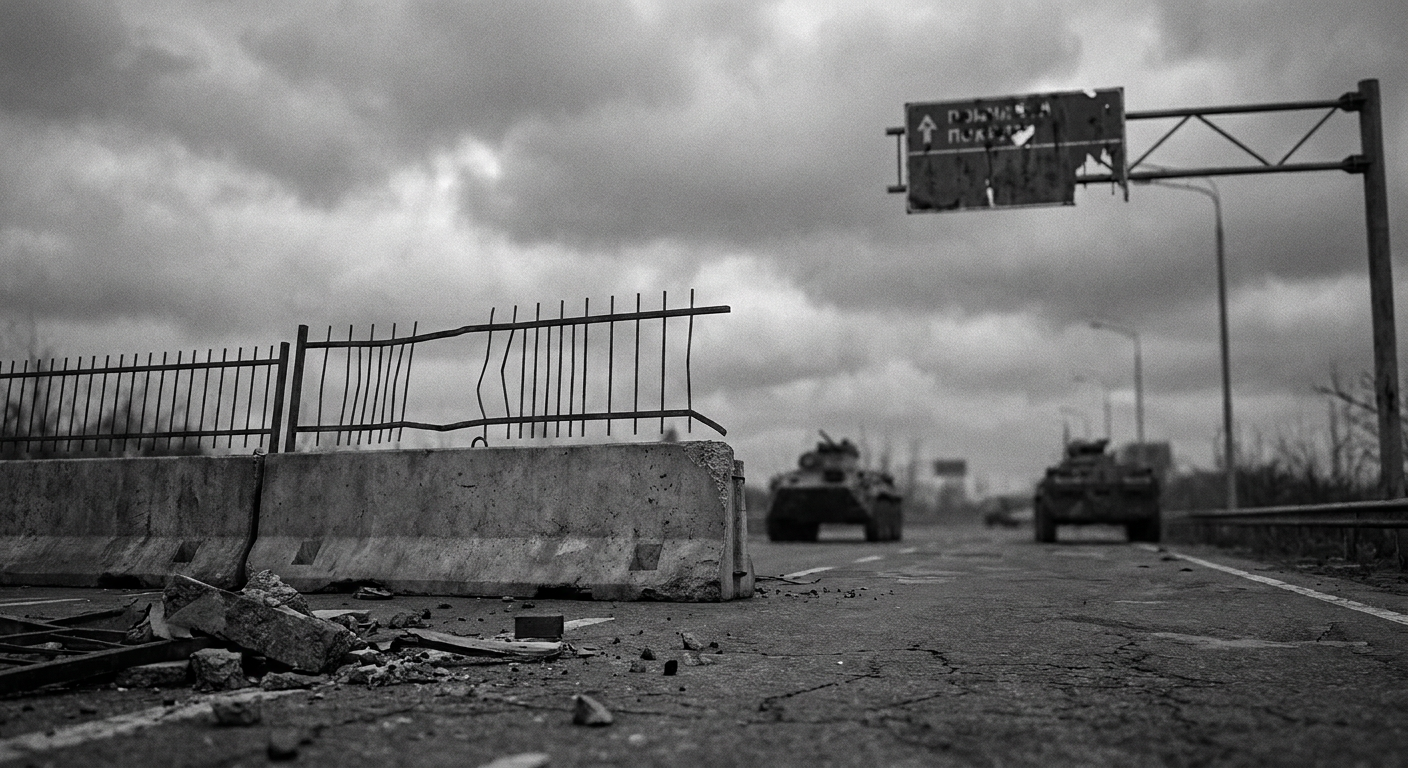
U.S. forces struck Iran for a third consecutive day on July 14, officials said, while President Trump weighed reimposing a blockade as the conflict escalated. Reaction pending, with investors likely to focus first on oil, shipping routes, defense shares and haven assets once trading absorbs the latest military moves.
The strikes put Washington and Tehran on a sharper conflict path, with blockade planning carrying wider consequences than a single round of attacks. A blockade would shift the crisis from targeted military action toward sustained pressure on Iran’s trade and maritime access.
Iran blockade risk widens
Officials said the administration is considering the blockade option, but the scope, timing and legal basis were not immediately clear. Those details matter because a narrow interdiction campaign would carry different market and diplomatic effects than a broad maritime closure.
For global macro, the key
transmission channel is energy and transport risk.
If the confrontation disrupts crude flows or raises insurance costs
for vessels, inflation expectations could become harder for central banks to manage, especially in economies still sensitive to fuel prices.
For the defense and energy sectors, a longer confrontation could lift demand for military equipment, surveillance, logistics and replacement supplies while increasing volatility for producers and refiners. Airlines, shipping groups and import-dependent manufacturers would face the other side of the shock through fuel costs and route uncertainty.
The next test comes by July 15, 2026, when markets and governments will be watching for a formal blockade order, Iranian retaliation, or a diplomatic channel that limits the conflict before it spreads further.