US strikes Iran again after Hormuz ship attack
US officials said the latest strike was the third this week and tied it to an attack on a commercial ship in the Strait of Hormuz.
Mateo Fernandez ·
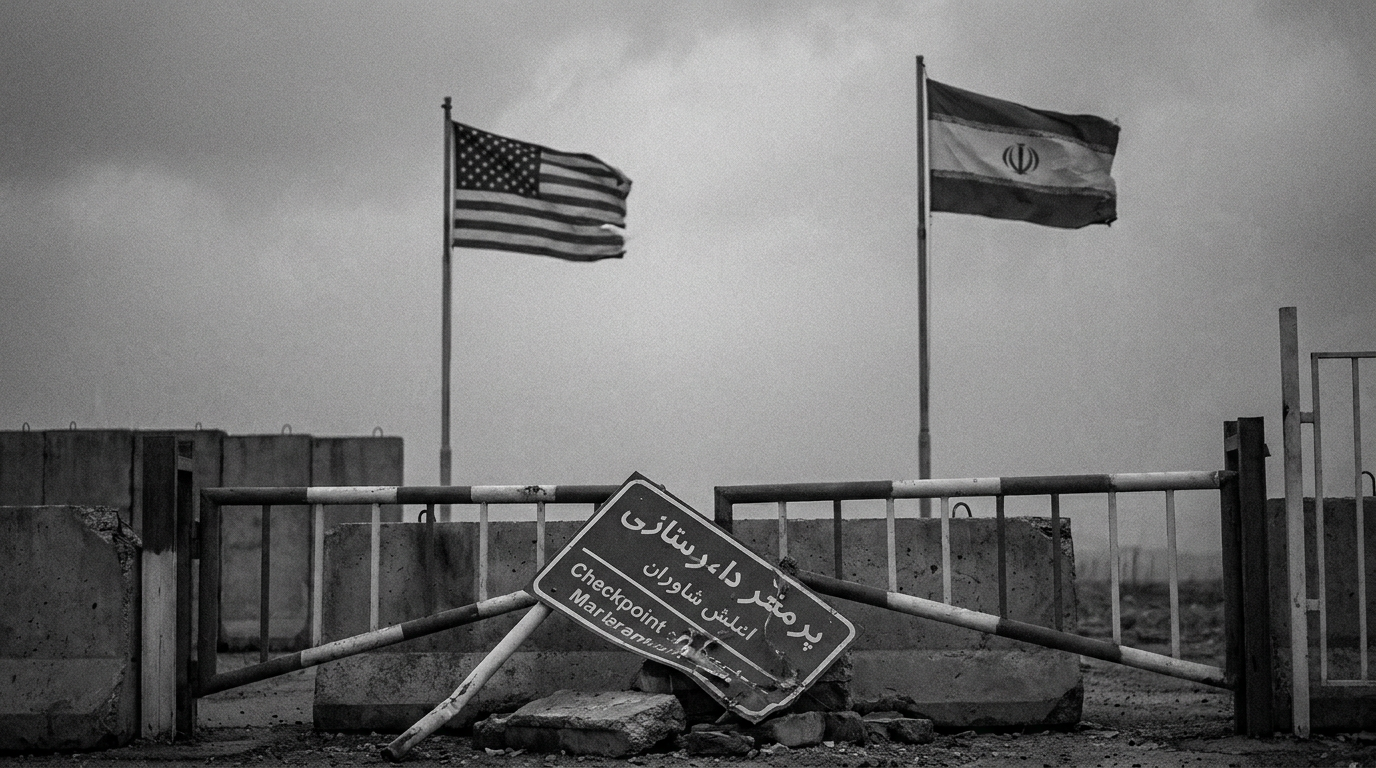
Officials said the United States completed a series of strikes on Iran on July 12, the third such action this week, after what they described as Iran’s attack on a commercial ship in the Strait of Hormuz. Reaction pending. The operation puts renewed pressure on one of the world’s most sensitive maritime corridors and raises the risk that military action and shipping security become the dominant market focus when trading resumes.
Hormuz ship attack raises escalation risk
The Strait of Hormuz is the central risk channel in this brief because the reported trigger involved a commercial vessel. Any confirmed threat to shipping there can quickly move from a military event into a market event by affecting insurance costs, routing decisions, oil cargo schedules and risk premiums across energy-linked assets.
For Washington, the third strike in a week signals a willingness to keep using force after attacks tied to Iran. For Tehran, the immediate question is whether it absorbs the latest action, responds through military channels, or uses pressure on shipping to widen the cost of confrontation.
The broader industry effect would run first through shipping, energy and defense-linked markets. If traffic through Hormuz continues without disruption, the macro effect may stay contained. If vessel operators delay voyages or insurers reprice risk, energy markets could face a sharper geopolitical premium.
The next dated checkpoint is July 12, 2026, as officials may issue further operational details and markets assess whether the incident remains limited or becomes a wider regional security shock.