U.S. strikes Iran after Hormuz vessel attack
The U.S. military said it was striking Iran after an attack on a civilian vessel in the Strait of Hormuz.
Mateo Fernandez ·
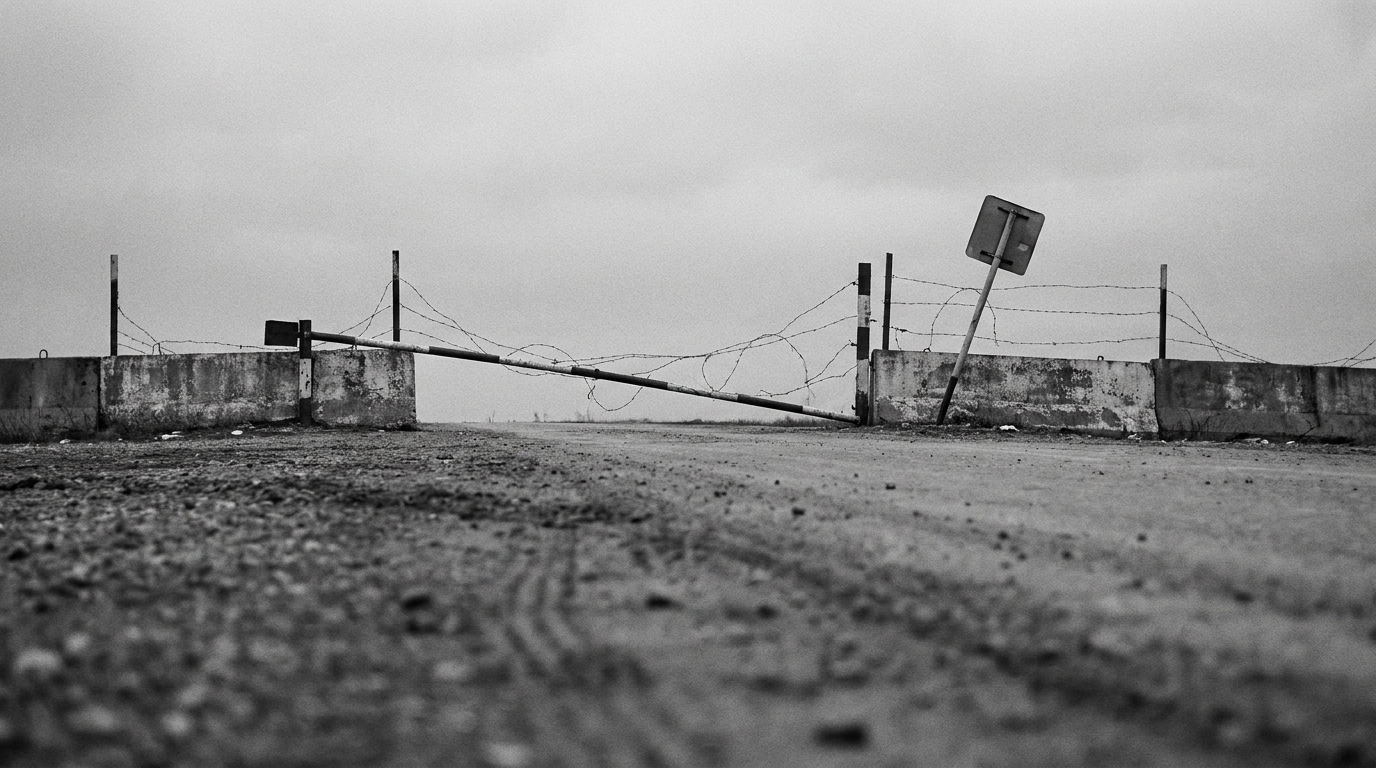
The U.S. military said on July 12 it was striking Iran in response to an attack on a civilian vessel in the Strait of Hormuz, a sharp escalation at one of the world’s most sensitive maritime chokepoints. Officials said the action was retaliation for the vessel incident. Immediate market reaction was not available.
Hormuz shipping risk widens
The Strait of Hormuz sits at the center of Gulf security calculations because any disruption there can quickly affect energy shipping, war-risk insurance and naval deployments. The U.S. action raises the risk that a vessel incident becomes a wider military exchange involving assets on land, at sea or in the air.
For markets, the first channel is risk pricing rather than confirmed physical disruption. If shipping continues through the strait without interruption, the macro effect may be limited to a geopolitical premium in oil, freight and safe-haven assets. If traffic slows or commercial operators reroute, the pressure would move from sentiment into supply-chain costs and energy inflation.
For Iran, the immediate issue is whether U.S. strikes remain limited to targets tied to the vessel attack or broaden into a larger campaign. For the wider shipping and energy sector, the next signal is whether insurers, tanker operators and regional governments adjust operating guidance.
By July 13, investors and governments will be looking for U.S. military details on targets, Iranian response statements and any advisories to commercial vessels transiting the Strait of Hormuz.