US strikes Iran after Hormuz vessel attacks
US action against Iran follows attacks on three commercial vessels in the Strait of Hormuz, raising escalation risk around Gulf shipping.
Mateo Fernandez ·
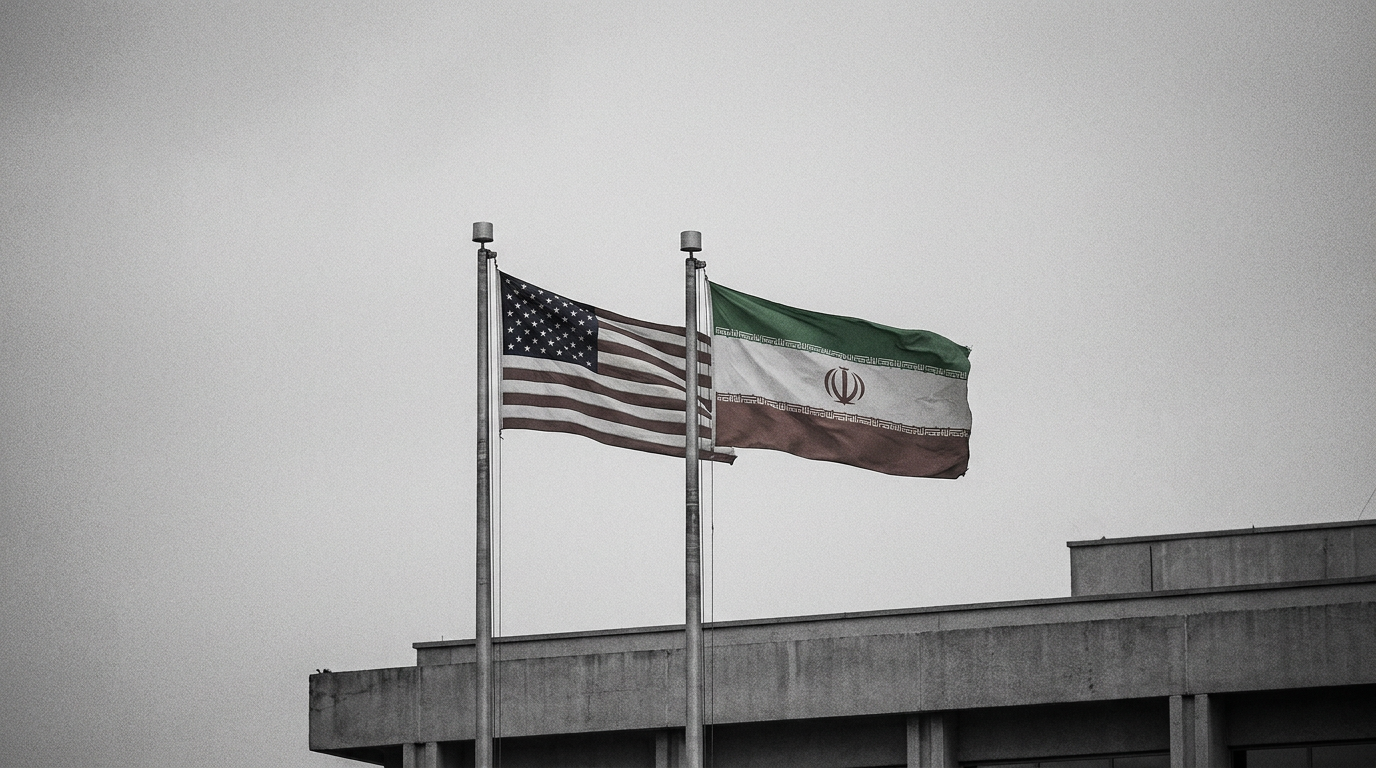
The United States launched strikes on Iran on Tuesday after three commercial vessels came under attack in the Strait of Hormuz, officials said. Reaction pending. The operation sharply raises the risk that a security crisis around Gulf shipping spills into energy markets, military deployments and regional diplomacy.
Officials described the strikes as a response to the vessel attacks. The action also cuts across peace efforts that were already under way, narrowing the space for de-escalation if either side treats the exchange as unfinished.
Hormuz attacks widen Gulf risk
The Strait of Hormuz is the immediate pressure point because commercial shipping, naval activity and regional security signals converge there. If vessel operators slow transits or insurers reprice risk, the first market channel would be shipping costs and energy risk premia rather than confirmed supply loss.
For Washington, the near-term test is whether the strikes deter further attacks without drawing US forces into a wider cycle of retaliation. For Tehran, the decision point is whether to absorb the hit, answer through military channels, or lean on diplomatic messaging while blaming the US for escalation.
The industry effect would fall first on shipping, energy trading and insurers exposed to Gulf routes. A contained exchange could leave markets focused on risk pricing; another vessel incident would raise the chance of rerouting, higher freight costs and pressure on crude benchmarks.
The next formal window is the 24 hours through July 8, when official statements, shipping advisories and any fresh military notices will show whether the strike remains a one-off response or becomes the opening stage of a broader confrontation.