US strikes Iran after Hormuz ship hit
The exchange threatens ceasefire talks and puts renewed focus on the Strait of Hormuz, a critical route for global energy supplies.
Mateo Fernandez ·
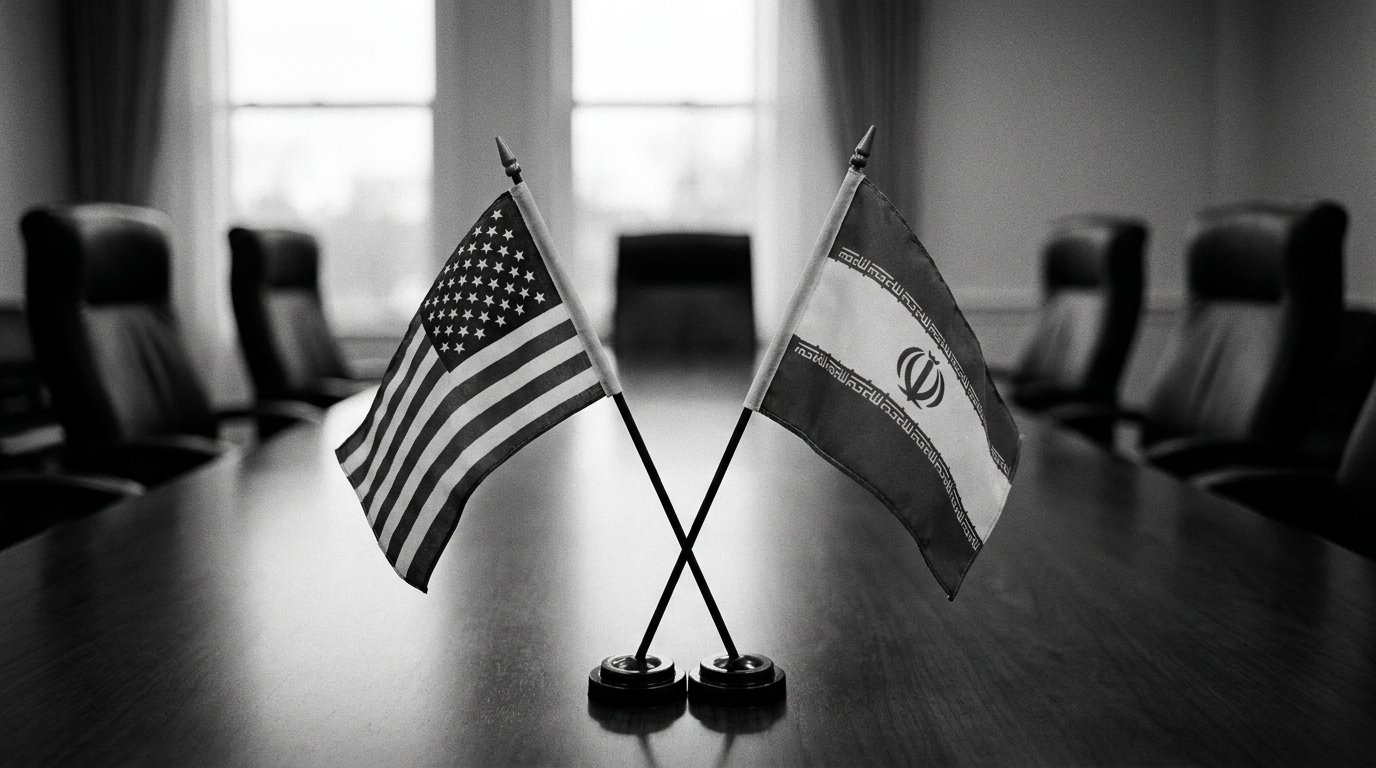
The United States attacked Iran on Sunday after an Iranian strike damaged a container ship in the Strait of Hormuz, according to the account provided. Iran responded by targeting several Middle Eastern countries that host US forces, widening the confrontation beyond the waterway.
The exchange places ceasefire negotiations between Washington and Tehran under new strain. It also raises the risk that military activity around the Strait of Hormuz could disrupt shipping, insurance coverage and energy flows if attacks continue.
Hormuz route draws military risk
The Strait of Hormuz is one of the world’s most sensitive energy corridors because oil and gas cargoes from Gulf producers pass through the narrow channel. Any sustained threat to commercial vessels there can force higher freight costs, longer risk checks and sharper political pressure on importing economies.
For Washington, the immediate issue is whether the strike deters further attacks on shipping or pulls US forces deeper into regional conflict. For Tehran, the response against countries hosting US forces signals an effort to raise costs across the region rather than confine the confrontation to Iranian territory.
If both sides limit further action, the main macro effect may be a temporary risk premium in energy and shipping. If attacks spread, the mechanism changes: higher perceived supply risk could tighten oil markets, pressure Gulf logistics and complicate operations for carriers moving through Hormuz.
By July 13, 2026, the key test will be whether US, Iranian or Gulf officials confirm new military action, restart ceasefire contacts, or issue shipping advisories for vessels transiting the strait.