US strikes 170 Iranian targets as truce unravels
Trump said the Iran truce was over after retaliatory strikes hit US bases in Bahrain, Kuwait and Qatar.
Mateo Fernandez ·
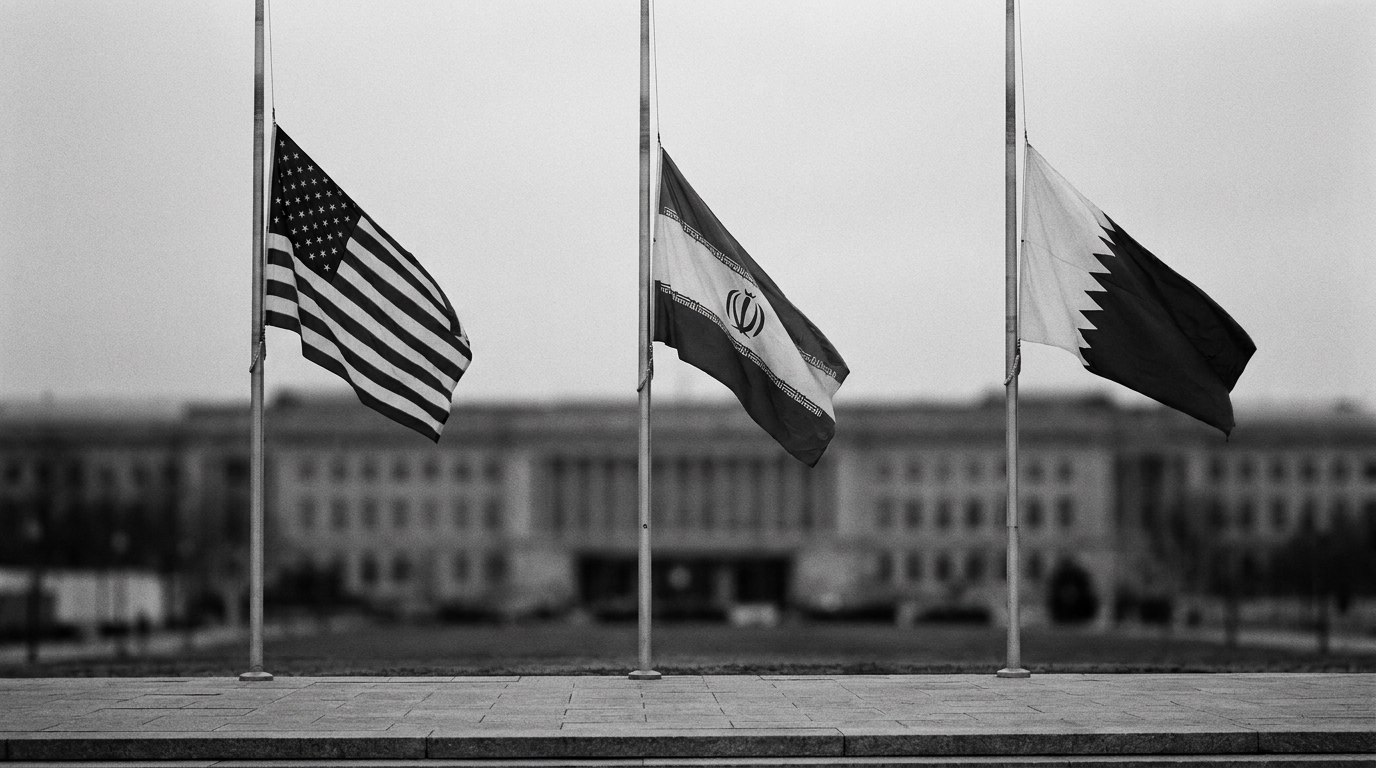
President Donald Trump said a truce with Iran was over on Thursday, July 9, as U.S. officials reported strikes on 170 Iranian targets over two nights and Iran launched retaliatory attacks on U.S. bases in Bahrain, Kuwait and Qatar.
The exchange points to a direct U.S.-Iran confrontation rather than a contained proxy cycle. Reaction in oil, haven assets and regional risk markets is pending, but the geography of the retaliation puts Gulf security back at the center of the crisis.
Gulf bases absorb Iranian retaliation
Officials said Iran fired at U.S. bases across Bahrain, Kuwait and Qatar after a second consecutive night of missile attacks on Iran. U.S. military officials said 170 Iranian targets had been hit in the previous 48 hours, a scale that suggests the campaign is no longer limited to symbolic signaling.
For Washington, the immediate issue is force protection across Gulf installations and whether further Iranian attacks draw a broader U.S. response. For Tehran, the choice is whether to absorb the strikes, keep retaliation calibrated, or widen the theater through additional regional targets.
The macro channel runs through energy security, insurance costs and risk premia tied to Middle East shipping routes. If attacks remain confined to military sites, markets may treat the shock as severe but bounded. If Gulf infrastructure or shipping lanes are threatened, the mechanism shifts quickly toward oil supply risk, inflation pressure and tighter financial conditions.
The next dated test is Thursday, July 9, when U.S., Iranian and Gulf officials are expected to clarify whether military operations continue or whether the failed truce can be replaced by a narrower de-escalation channel.