US stock markets dip for fourth straight week over US-Israel war on Iran
U.S. stocks fell for a fourth week on March 19, 2026, as Middle East tensions and rising oil prices fueled investor concerns.
Atlas Newsdesk ·
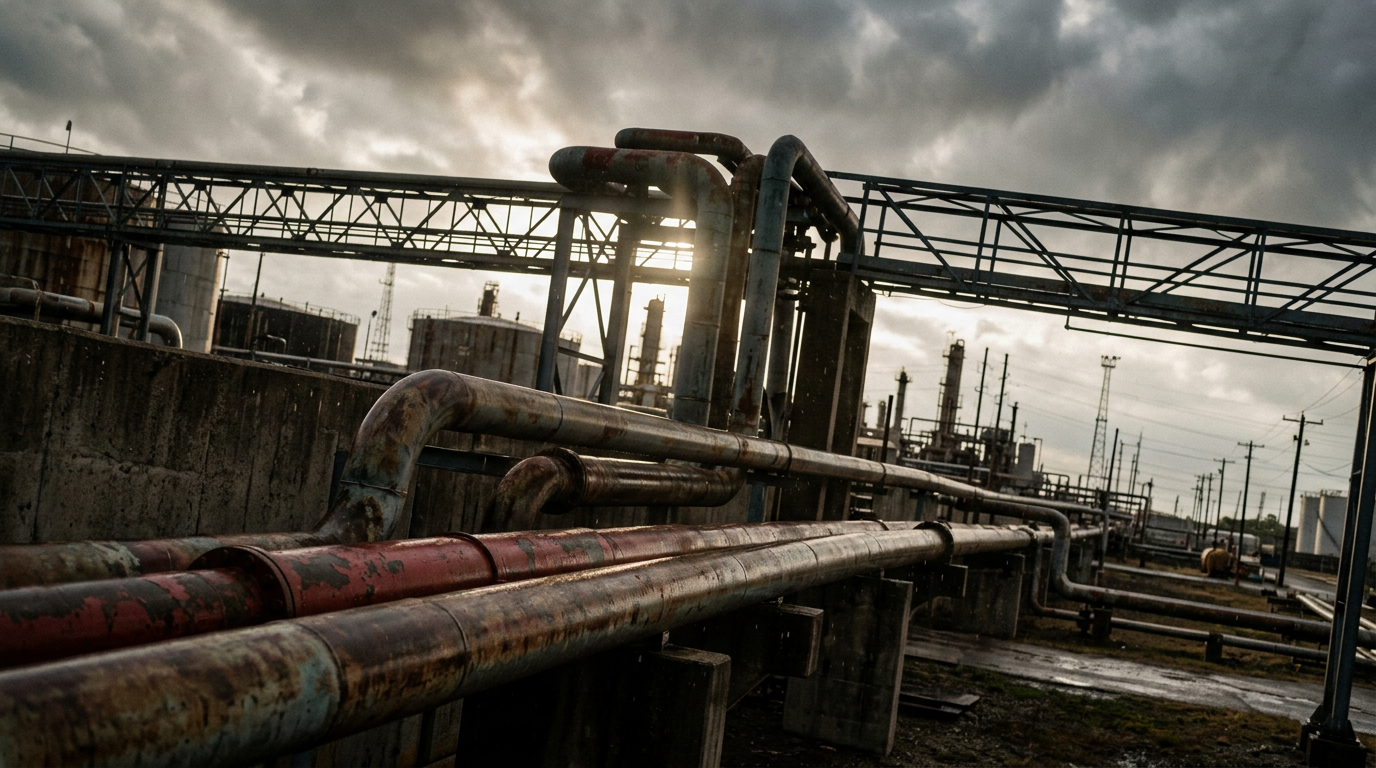
U.S. equity markets concluded their fourth consecutive week of losses on Friday, March 19, 2026, driven by escalating geopolitical tensions in the Middle East. Investor apprehension regarding the conflict involving the U.S., Israel, and Iran, coupled with its potential impact on global energy markets, contributed to the broad market downturn. This period marks a significant shift in market sentiment, moving away from earlier optimism.
Major indices registered notable declines. The Dow Jones Industrial Average experienced a drop exceeding 400 points, while the S&P 500 decreased by 1.5%. The technology-heavy Nasdaq Composite also saw a 2% reduction in value. These movements reflect a widespread retreat from risk assets as investors assess the broader economic implications of the regional instability.
Small-Cap Correction Signals Broader Weakness
Further indicating market fragility, the Russell 2000, an index comprising small-capitalization companies, officially entered correction territory. The index fell by 2.7% on Friday, pushing its total decline from its recent peak beyond 10%. This development makes the Russell 2000 the first major U.S. index to reach correction status this year, often seen as a precursor to wider market adjustments.
Since February 28, the Dow, S&P 500, and Nasdaq have recorded respective declines of approximately 7%, 5%, and 4.5%. This sustained downward trend underscores the market's sensitivity to external shocks, particularly those affecting critical global commodities like oil. The current geopolitical climate has introduced considerable uncertainty into economic forecasts.
Oil Price Surge Fuels Inflation Concerns
A primary catalyst for the market's downturn has been the sharp increase in global oil prices. Brent crude oil, the international benchmark, reached $107 per barrel by Friday afternoon, a substantial rise from approximately $70 per barrel observed before the conflict's intensification. Similarly, U.S. crude oil prices climbed to $98 per barrel, up from an average of $64 per barrel prior to March.
This surge in crude oil prices has directly impacted consumer costs, with U.S. gasoline prices averaging $3.88 per gallon nationally. In some states, prices have surpassed $5 per gallon, placing additional pressure on household budgets and raising concerns about inflationary pressures. Historically, significant increases in energy costs have often preceded economic slowdowns.
Strategic Chokepoint Under Threat
The geopolitical conflict has directly threatened key energy infrastructure and supply routes. The Strait of Hormuz, a vital maritime chokepoint through which approximately one-fifth of the world's oil supply passes, remains subject to blockades. Reports indicate that both sides involved in the conflict have targeted critical energy facilities, exacerbating fears of supply disruptions and further price volatility.
Market analysts are closely monitoring the situation, as sustained high oil prices could dampen corporate earnings, reduce consumer spending, and complicate monetary policy decisions by central banks. The interconnectedness of global markets means that regional conflicts can have far-reaching economic consequences, influencing investment decisions and economic growth projections worldwide.
Outlook for Global Markets
The ongoing volatility suggests that investors will continue to prioritize geopolitical developments and their impact on commodity markets. The potential for further escalation in the Middle East, coupled with its implications for global trade and energy security, will likely remain a dominant factor influencing market performance in the coming weeks. Central banks may face increased pressure to balance inflation control with supporting economic stability amidst these external shocks.
Implications
Country Impact: The United States faces increased inflationary pressures from rising energy costs, potentially impacting consumer spending and economic growth. Geopolitical instability could also influence upcoming policy decisions.
Industry Impact: The energy sector is experiencing significant price volatility, benefiting producers but increasing costs for transportation, manufacturing, and other energy-intensive industries. Supply chain disruptions remain a key concern.
Market Impact: Global equity markets are exhibiting heightened risk aversion, leading to capital outflows from stocks and increased demand for safe-haven assets. Bond yields and currency markets are reacting to inflation expectations and geopolitical uncertainty.