US signals Iran blockade may continue indefinitely
US signals Iran blockade could be indefinite, putting traders on alert for Gulf shipping, insurance, and routing risks ahead of Aug. 16, 2026.
Mateo Fernandez ·
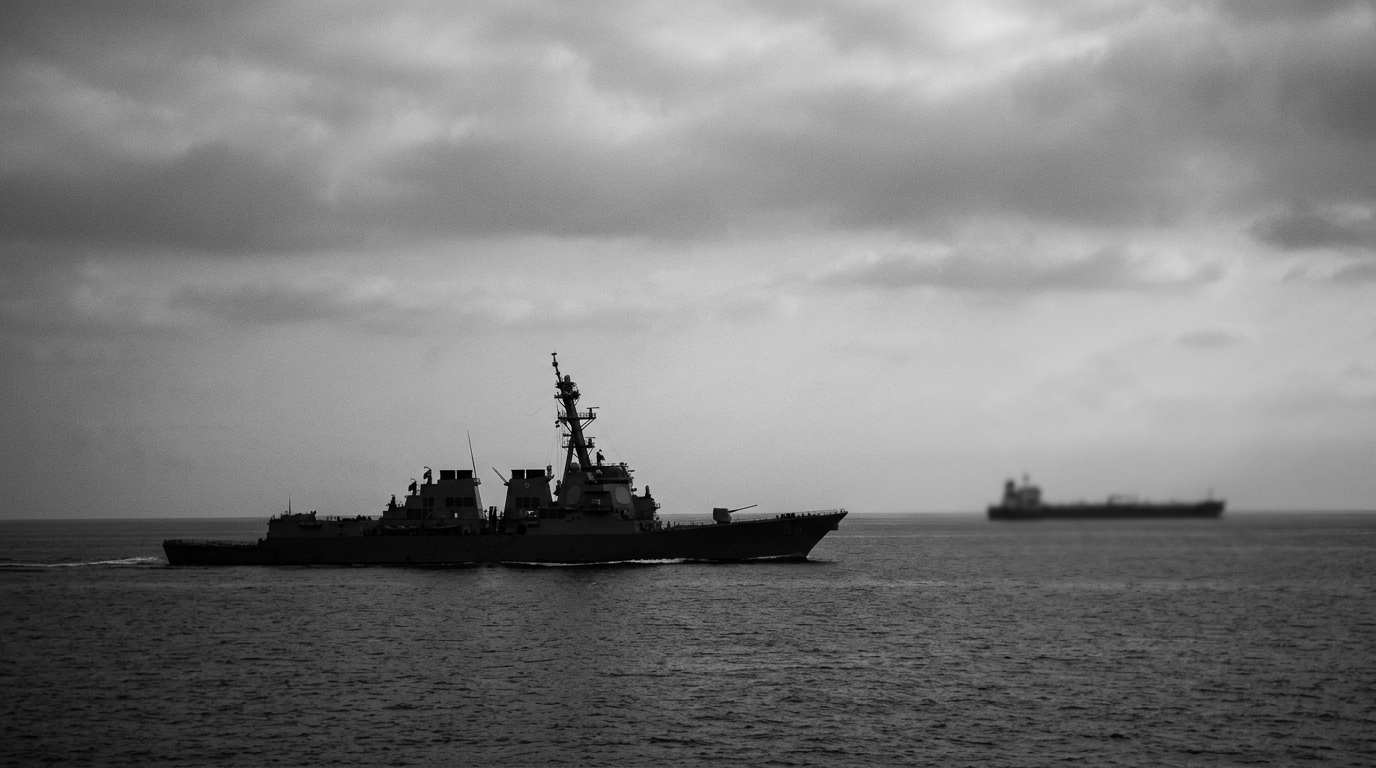
US defense officials said on Saturday that the US military could keep naval forces in the region indefinitely to enforce a blockade of Iran, extending pressure on a major oil producer. The comments signaled an open-ended posture rather than a time-limited operation, with immediate market reaction still pending.
Officials said the blockade has already hurt Iran’s economy by restricting trade and reducing the country’s ability to move goods through regional waters. They framed the measure as part of a broader pressure campaign, with enforcement tied to US naval presence in nearby waters.
Energy markets watch Gulf shipping and insurance White Energy markets watch Gulf shipping and insurance White House The statement placed energy traders on alert for potential disruption risks affecting crude flows, insurance coverage, and tanker routing near Gulf export corridors. The immediate concern is not limited to Iranian exports; it also includes the operational and legal frictions that can emerge when shippers and insurers reassess risk around regional cargoes. Officials did not describe a confirmed interruption to wider Gulf traffic, but the prospect of a longer naval operation can raise costs even without a halt in volumes. Market participants often monitor whether shipping, insurance, and compliance teams treat such signals as a short-term military posture or as a longer constraint that changes how cargoes are booked and moved. Iran’s role in supply balances and the “security premium” Iran remains a relevant supplier to global oil balances, and officials said a sustained blockade could reduce export options and limit foreign-exchange inflows. They added that fewer routes to market would deepen fiscal pressure on Iran, making the economic mechanism of the blockade relatively direct.
For the broader oil market, the key risk described by officials is the “security premium” that can build if shippers, insurers, or buyers start treating regional barrels as harder to move. In that case, the commodity impact would come not only from potentially lost Iranian barrels, but from the added expense of transporting crude through a region that handles large volumes of seaborne supply.
Officials said that if the blockade holds without interrupting broader Gulf traffic, the macro effect would likely show up through higher risk premiums rather than confirmed supply losses. However, if enforcement expands or tanker operators adjust routing, refiners could face higher delivered costs and the oil market could be forced to price a tighter prompt balance.
Traders are expected to watch for updates from
August 16, 2026 set as the next near-term marker With reaction still pending, officials pointed to August 16, 2026 as the next dated marker for market focus. Traders are expected to watch for updates from the White House, the Pentagon, or shipping agencies over the next 24 hours to assess whether the blockade is being enforced more broadly.
A central uncertainty for the energy sector remains how quickly operational decisions will change around freight, insurance, and compliance—factors that can influence flows and pricing even before any physical disruption is reported.