US Strikes 3 Iranian Tankers After Missile Attack
US forces destroyed three Iranian crude oil tankers in the Gulf of Oman on September 5, 2026, in response to an IRGC missile attack on US warships.
Atlas Newsdesk ·
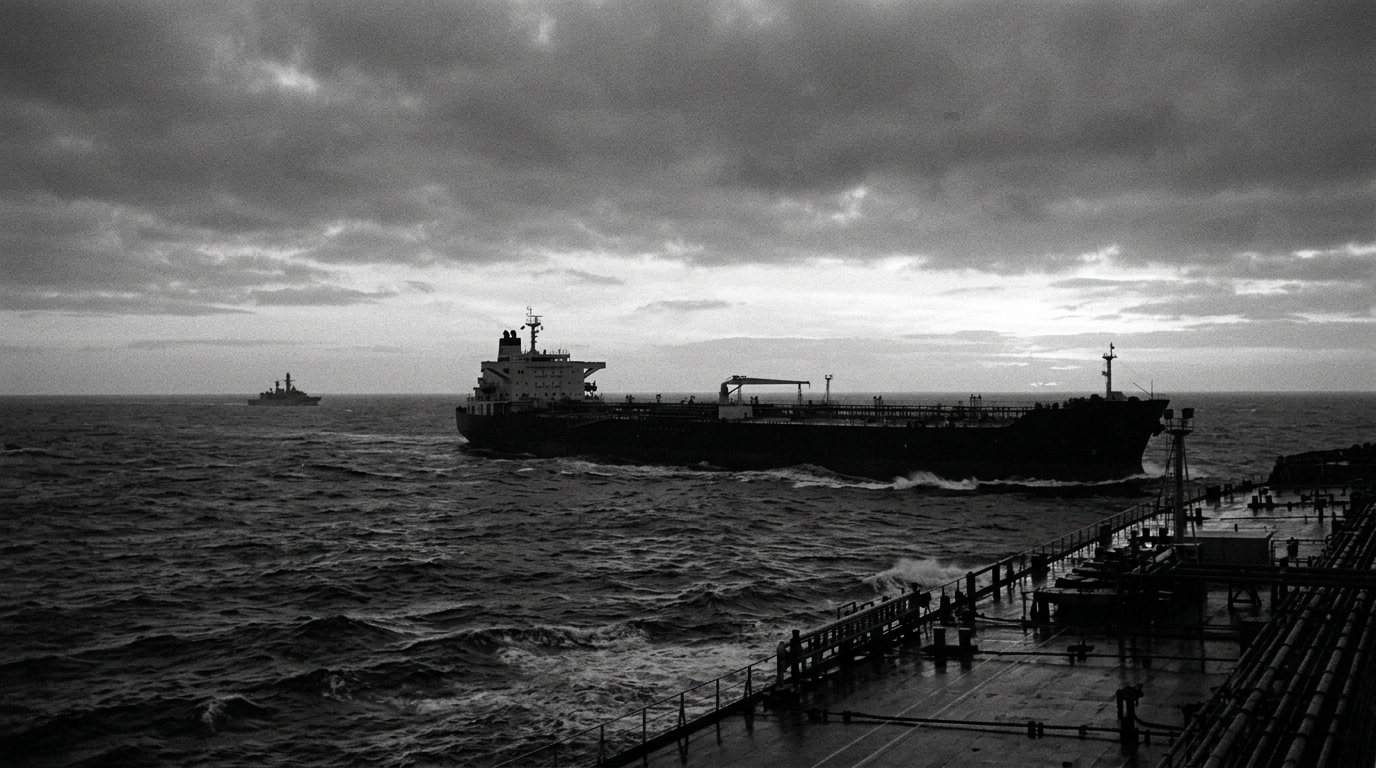
United States military forces neutralized three Iranian crude oil tankers in the Gulf of Oman on September 5, 2026. This action was explicitly described as a direct counter-response following a ballistic missile strike initiated by the Islamic Revolutionary Guard Corps (IRGC) against two US Navy warships. The incident signifies a notable intensification in the ongoing six-month confrontation between the two nations, which has frequently involved targeting critical economic infrastructure from both sides.
US Central Command (CENTCOM) confirmed the naval strikes, clarifying that the identified vessels were part of a network understood to facilitate the financing of the IRGC and its various regional proxy groups. This military engagement was presented as retaliation after Iranian forces reportedly launched missiles at a US aircraft carrier and a guided-missile destroyer operating in the region.
Escalating Tensions and Financial Strategy
CENTCOM reported no American casualties resulting from either the initial missile attack or the subsequent retaliatory strikes. The destruction of these tankers is intended to diminish Iran's financial capacity to sustain its military operations, particularly those dependent on crude oil exports for funding. This tactical exchange unfolds amidst a period of heightened instability across regional waters, where the conflict has already led to the deaths of 18 US service members.
The protracted hostilities have also significantly contributed to record-high global energy prices, underscoring the broader impact of regional instability on international markets. Recent strikes suggest a strategic shift in targeting Iran's maritime logistics fleet, which is perceived as a vulnerable point for imposing economic costs on the nation. This approach aims to disrupt the flow of funds to the IRGC.
Broader Diplomatic and Economic Ramifications
This development further complicates existing diplomatic efforts, which have remained stalled in attempts to de-escalate the persistent confrontation. The conflict's recurring focus on economic infrastructure highlights the potential for wider implications beyond direct military engagements, potentially affecting global supply chains and overall economic stability. International observers indicate that such actions risk further entrenching the conflict, thereby making a peaceful resolution more challenging.
The consistent targeting of critical assets by both sides points to a pattern of mutual economic pressure. While the US endeavors to curtail Iran's funding for military activities, Iranian attacks on naval assets demonstrate a continued willingness to challenge US presence and power within the Gulf region. This dynamic perpetuates uncertainty for both regional and global stakeholders, as viable pathways for de-escalation currently remain elusive.