Surging Energy Costs Threaten Resilient Consumer Spending Following February Retail Growth
Energy costs are rising as U.S. retail sales grew 0.6% in February, but economists warn higher fuel prices may curb spending soon.
Atlas Newsdesk ·
U.S. retail sales rose in February , but a new Middle East conflict has raised fresh doubts about how long consumer spending can keep supporting growth as energy prices climb. The Commerce Department said on Wednesday that retail sales increased 0.6% in February, the strongest monthly advance in seven months.
Officials linked the improvement to a pickup in motor vehicle purchases and milder weather. The report was described as delayed, and it pointed to solid economic conditions before the latest geopolitical shock. Economists said the key question now is whether higher fuel costs will erode household budgets in the months ahead.
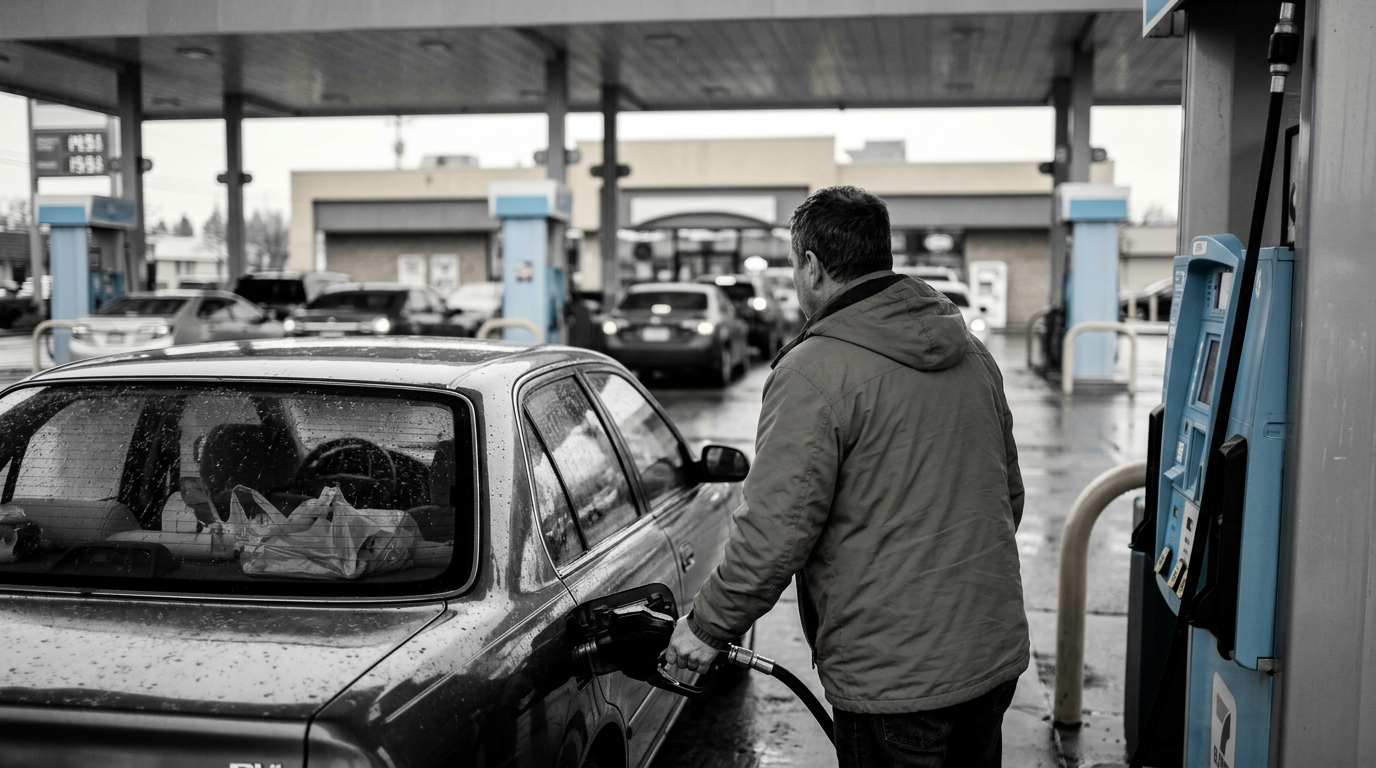
According to economists, the conflict has pushed global oil prices up by more than 50%, while the national average retail gasoline price has moved above $4 per gallon for the first time in more than three years. Because gasoline is bought frequently, price increases can show up quickly in day-to-day spending decisions. Economists also noted that fuel costs can spread through the economy via transportation-related expenses, adding pressure beyond the gas pump.
Measures viewed as closer to underlying consumption also strengthened in February. Core retail sales—excluding automobiles, gasoline, building materials, and food services—rose 0.5% after a 0.2% gain in January. Economists said this category is closely tied to the consumer spending portion of gross domestic product, and the February reading suggested demand was holding up before the conflict intensified and energy prices surged.
The February gains were broad, led by autos and supported by several discretionary areas. Receipts at motor vehicle dealerships rebounded 1.2%. Sales also increased at electronics stores, building materials outlets, and clothing retailers, while nonstore sales, including online shopping, climbed 0.7%.
Not every segment shared in the improvement, and some essential categories weakened. Furniture store sales fell 1.0%, and receipts at food and beverage stores declined. Spending at food services and drinking places, which economists often watch as a gauge of discretionary demand, rose 0.4% after a prior drop, but economists warned it could be vulnerable if the conflict drags on, particularly given its effect on stock market valuations.
What it means is that February’s data captured resilience before the latest energy shock, while the outlook hinges on how long the conflict lasts and whether fuel prices keep rising. Economists said a prolonged conflict and further gasoline increases could offset the expected lift to consumer spending from tax cuts and could weigh on economic growth in the second quarter.
The main uncertainty, economists said, is the conflict’s duration and the path of fuel prices, which would shape household behavior and broader global market sentiment.