US renews Iran strikes as naval blockade returns
US forces carried out a fourth day of strikes on Iran as officials said a naval blockade was reimposed, raising regional escalation risks.
Mateo Fernandez ·
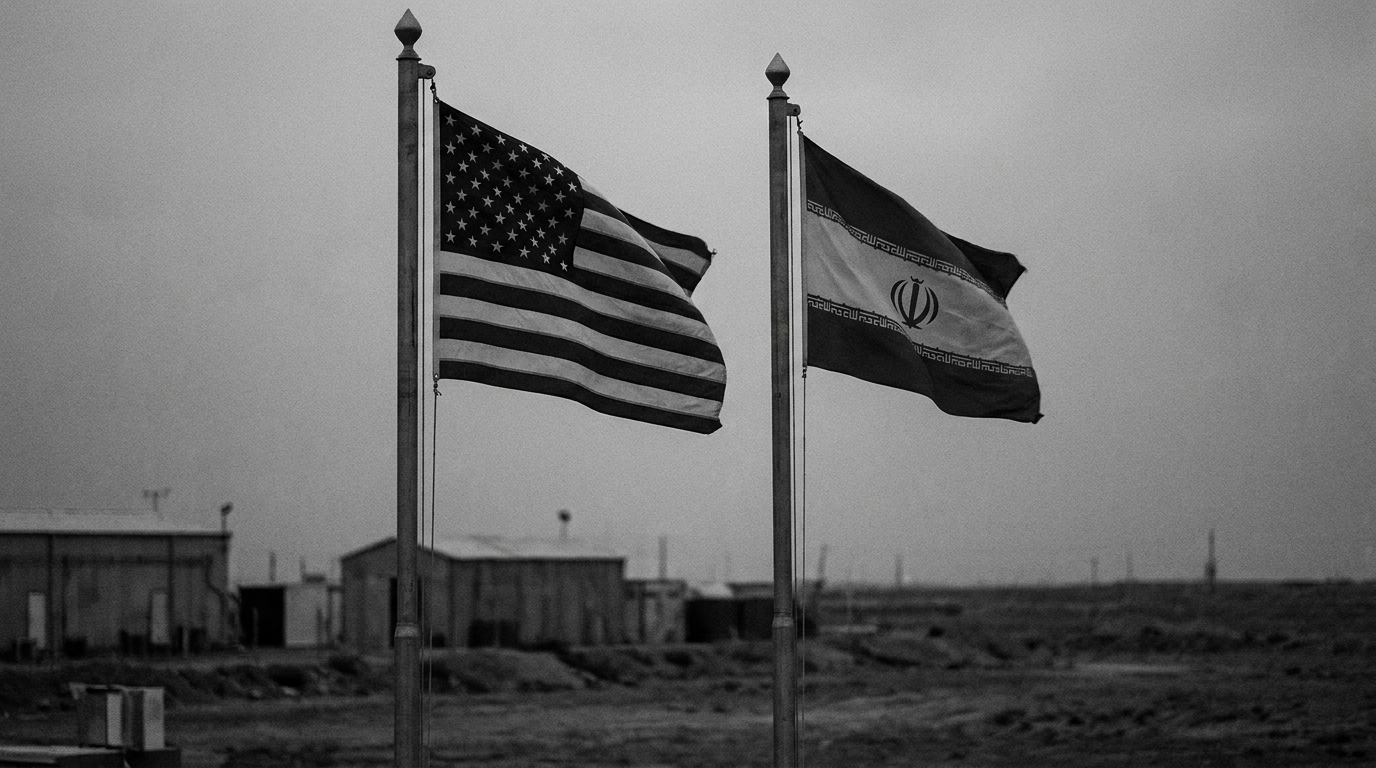
US forces launched a fourth day of airstrikes on Iran on July 15, while officials said Washington reimposed a naval blockade as the conflict entered a more dangerous phase. Reaction pending. Officials said President Trump also warned that power plants and bridges could be targeted, a shift that would widen the campaign from military pressure toward infrastructure disruption.
Naval blockade raises Gulf risk
The blockade claim matters because maritime restrictions can quickly transmit a regional conflict into energy, shipping and insurance markets. Iran sits near key Gulf routes, and any interruption risk around those waterways can force traders, shipowners and governments to price in delays, higher freight costs and potential supply rerouting.
For Washington, the immediate test is whether the strikes and blockade create coercive pressure without triggering a broader confrontation. For Tehran, the choice is whether to absorb the blows, retaliate through military channels, or lean on regional proxies and maritime pressure points.
If the blockade holds without direct attacks on shipping, the global macro effect may show first through risk premia rather than physical shortages. If strikes expand to power plants and bridges, the mechanism changes: damage to civilian infrastructure could deepen Iran's economic strain, raise retaliation incentives and pull the wider energy sector into a sharper risk cycle.
The next 24 hours through July 16 will be critical for confirmation of the blockade's scope, Iran's response and whether US targeting moves from military sites toward infrastructure.