US restores Iran blockade after Hormuz ship attacks
Officials said the US restored a blockade on Iran after ship attacks in the Strait of Hormuz, raising energy-route and regional security risks.
Mateo Fernandez ·
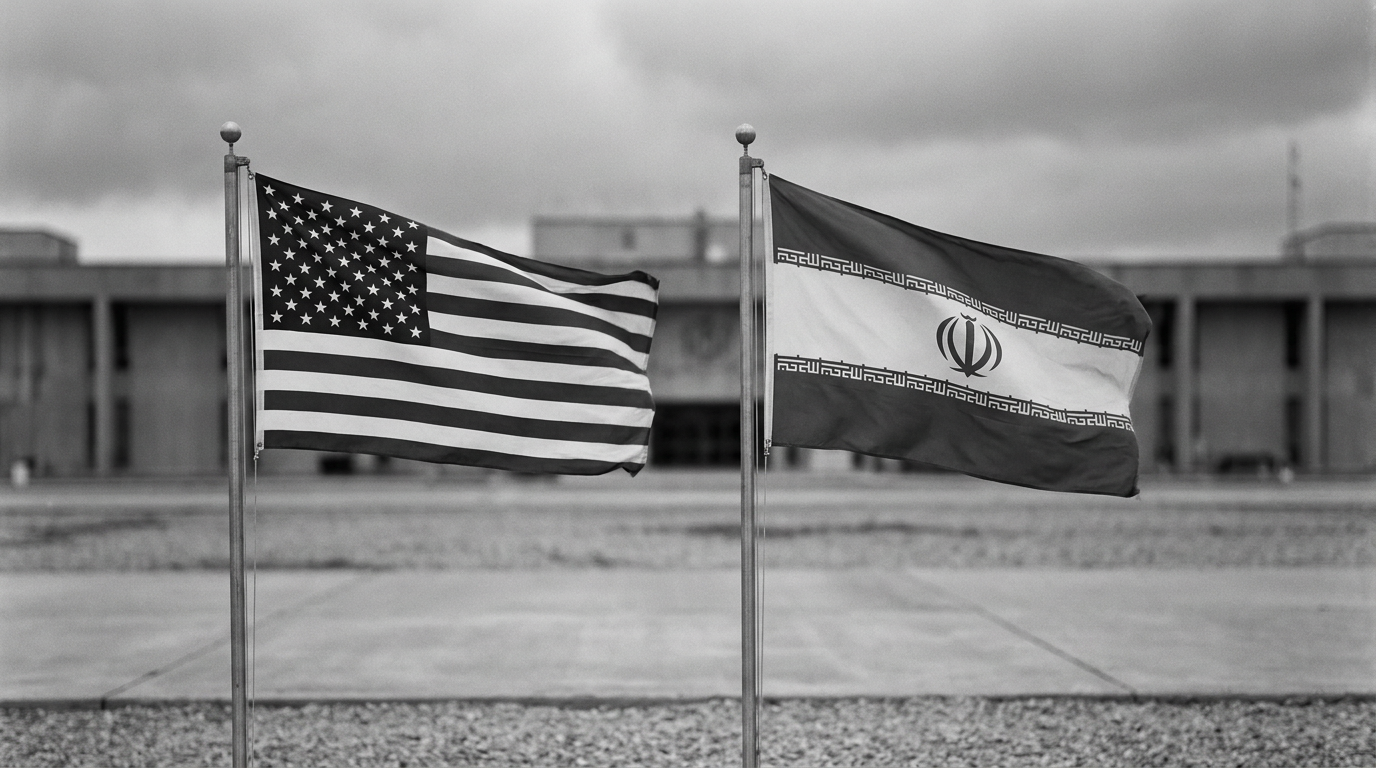
Officials said the US restored a blockade on Iran on July 15, 2026, after attacks on ships in the Strait of Hormuz, a chokepoint for Gulf energy flows. Reaction pending, with traders likely to focus first on crude prices, tanker insurance, Gulf shipping notices and any military statements from Washington or Tehran.
The action raises the risk that a security incident at sea becomes a broader test of deterrence. A blockade can disrupt commercial routing even before cargoes are stopped, because shipowners, insurers and charterers reassess exposure when naval forces and hostile activity converge in a narrow waterway.
Hormuz blockade raises oil-route risk
For the global macro
picture, the immediate channel is energy.
If the blockade is limited, clearly communicated and paired with safe-passage
arrangements, markets may treat it as a contained geopolitical shock. If it expands or Iran responds near shipping lanes, higher transport costs and risk premia could feed into fuel prices and inflation expectations.
For Iran, the pressure point is access. A sustained blockade would tighten the economic and strategic constraints around Tehran, while also increasing the chance of direct military contact if vessels challenge enforcement.
For the wider shipping and energy sector, the next effect is operational rather than theoretical: routing decisions, war-risk cover, tanker availability and delivery timing. Energy companies and commodity desks will watch whether the disruption remains concentrated around Hormuz or spreads into broader Gulf logistics.
The next formal signal is likely to come through official military, maritime or diplomatic notices by July 16, 2026.