U.S. Plans to Cut NATO Crisis Response Forces
US plans major cuts to NATO military assets for crisis response, shifting responsibility to European allies.
Lauren Collins ·
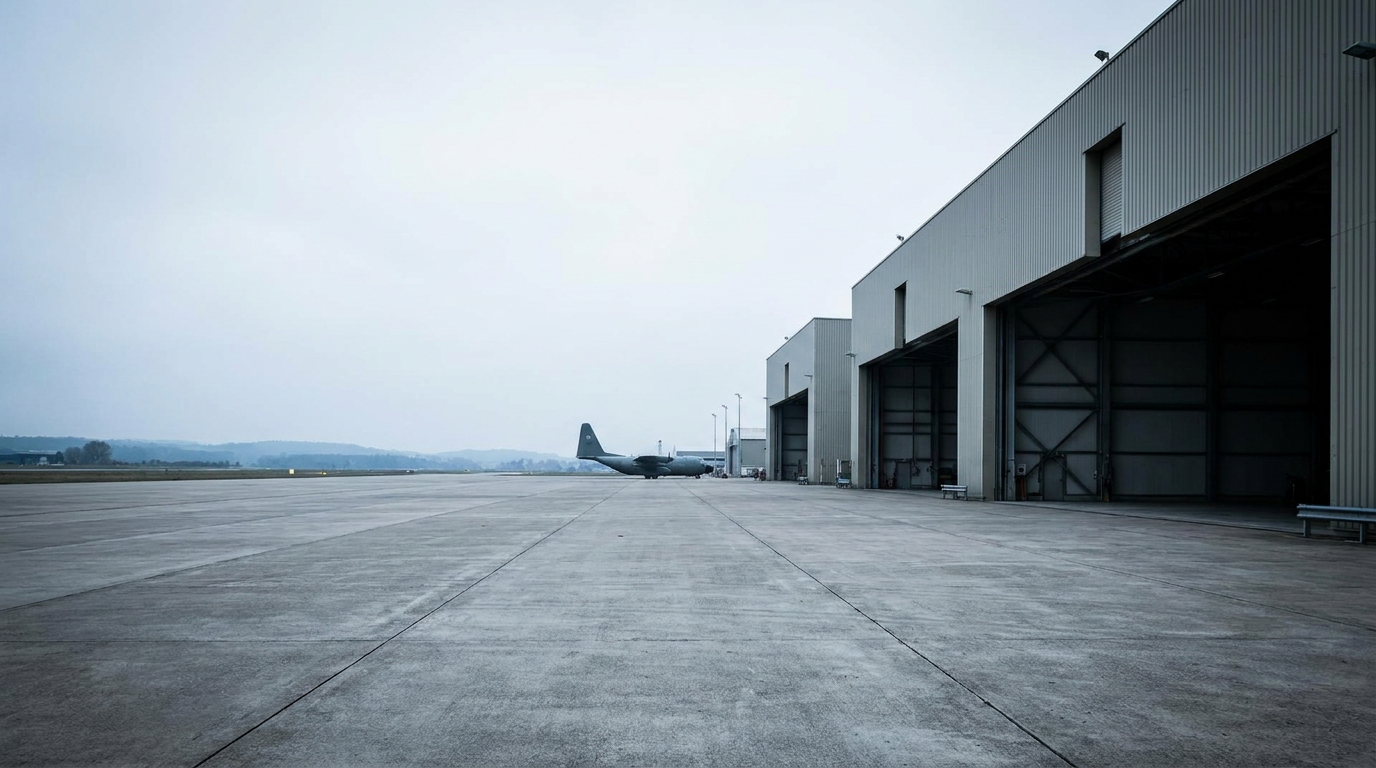
The United States plans to reduce the military assets it makes available to NATO for crisis response, including strategic bombers, fighter jets, warships and mid-air refuelling aircraft, according to a report by Germany’s Spiegel.
An envoy of U.S. Defense Secretary Pete Hegseth briefed senior officials from NATO member states on the proposal at NATO headquarters in Brussels late last week, the report said. The United States is expected to provide further details at a NATO force-generation conference in early June.
The plan would shift more responsibility to European allies and Canada, at a time when burden-sharing inside the alliance has been under strain. NATO officials have previously warned of an “over-reliance” on U.S. capabilities in force planning, Spiegel reported.
The report did not say when any changes would take effect, and the U.S. Defense Department did not publicly confirm the details described.
What the reported U.S. reductions would include
Under the changes described by Spiegel, the United States would provide only half the previous number of strategic bombers for NATO crisis planning. The number of U.S. fighter jets earmarked for NATO would fall by about a third, the report said.
At sea, the U.S. Navy would reduce the number of destroyers it makes available to the alliance and would no longer offer submarines for NATO crisis response, according to the report.
The report also said Europe would be expected to provide its own reconnaissance drones. The United States would scale back the provision of armed drone models made available under NATO planning.
Alliance context and what to watch next
The reported adjustments come after U.S. President Donald Trump has criticised European allies for not spending enough on defence and has previously threatened to withdraw U.S. troops from Germany. Trump has also questioned U.S. commitments under NATO’s mutual defence clause.
A NATO spokeswoman told Spiegel that the alliance’s force planning had relied too heavily on the United States, and that increased defence investment in Europe and Canada could allow military responsibilities to be reorganised.
NATO’s early-June force-generation conference is expected to clarify the scope and timeline of any U.S. changes, as allies assess what additional capabilities Europe would need to provide in a crisis.