Iran's Mine-Clearing Efforts in Hormuz Face Setbacks
Iran struggles to clear Hormuz mines, U.S. officials said April 11, keeping the chokepoint disrupted and complicating truce talks in Islamabad.
Lauren Collins ·
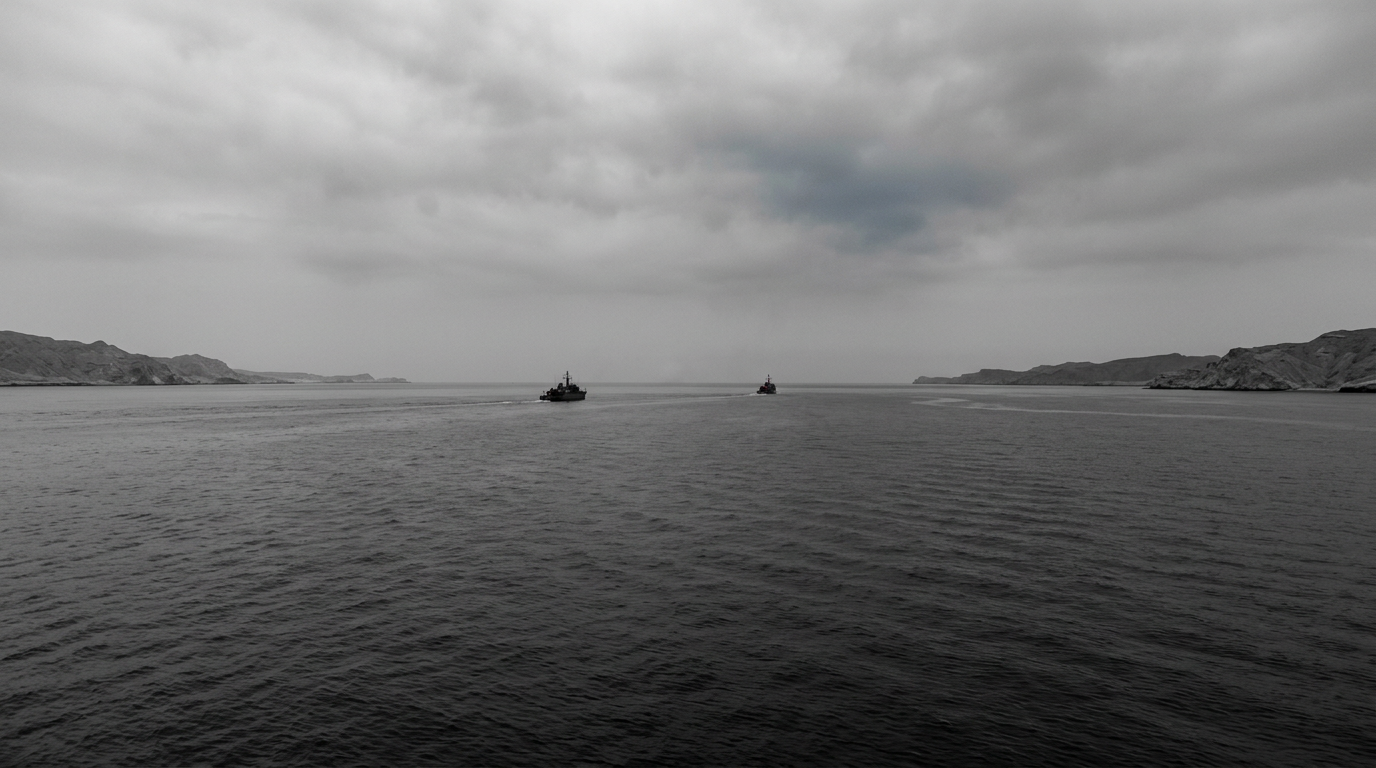
U.S. officials said on April 11 that Iran is unable to find or remove mines it laid in the Strait of Hormuz, leaving the waterway only partially reopened and complicating efforts to secure a truce in the current conflict with Iran. The strait is described as a critical chokepoint for roughly one-fifth of the world’s oil supply, and its continued disruption has been tied to sharp stress in energy markets and higher fuel prices.
According to the officials, Iran deployed the mines last month after the U.S. and Israel declared war. They said explosives were scattered across the strait using small boats, and that the placement was not systematic. The officials added that Iran may not have accurately recorded where the mines were laid, making it difficult to identify safe routes and to carry out demining operations.
The same officials said the challenge has grown because some mines are believed to have moved from their original positions. If mines drift, the risk profile changes for commercial shipping and for any clearance effort, since previously searched areas may no longer be safe and new hazards can emerge in unexpected locations. The result, the officials said, is that the strait has not been fully reopened.
The inability to restore normal passage is also central to diplomacy. The officials said the closure remains a major obstacle in truce talks between the U.S. and Iran being held in Islamabad. They said the U.S. is demanding immediate and complete access to the Strait of Hormuz as a condition for a sustained pause in fighting.
On operational capacity, the officials said neither Iran nor the U.S. has an immediate ability to clear the mines. They linked this in part to U.S. actions that significantly reduced Iran’s naval capabilities, which they said has left Iran less able to manage the hazards it created. With both sides described as lacking near-term clearance capacity, the waterway’s status remains a key pressure point for negotiators and for energy markets.
Officials said the ongoing closure has already had severe effects on global energy markets, contributing to a significant energy crisis and surging fuel prices. Because the strait is a major conduit for oil flows, prolonged disruption can transmit quickly into global pricing and availability, affecting import-dependent economies and energy-intensive industries.
For now, the officials’ account leaves a central uncertainty: when, and by whom, the mines can be reliably located and removed to enable full, sustained reopening.