US Military Escorts 18 Million Barrels Through Hormuz
The US military escorted 40 commercial vessels carrying 18 million barrels of oil through the Strait of Hormuz, a wartime high, amid missile and drone attacks.
Ayla Demirhan ·
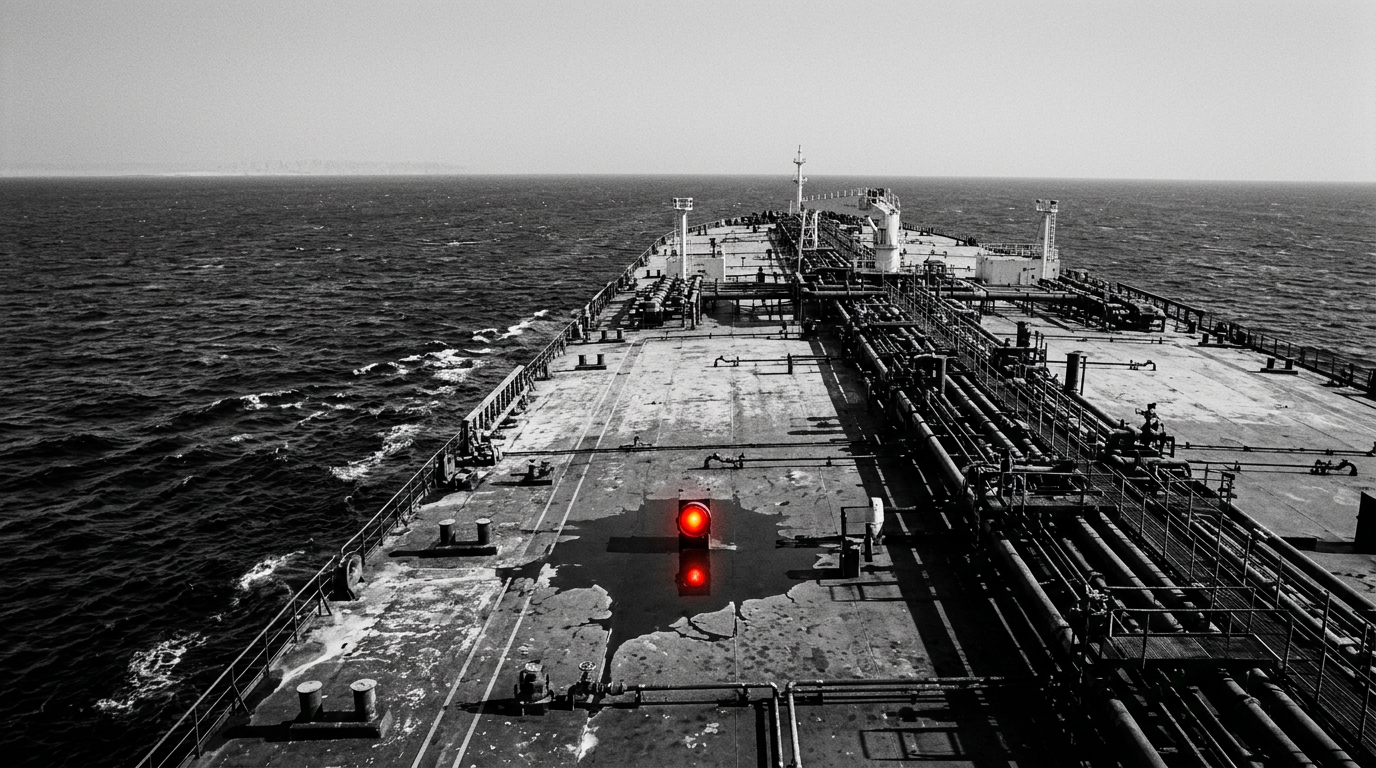
The US military escorted 40 commercial vessels carrying approximately 18 million barrels of oil through the Strait of Hormuz on Tuesday, two US officials confirmed. This wartime high occurred as US forces intercepted a cruise missile and repelled drone attacks, signaling a contested but active shipping lane.
Record Escort Volume Nears Pre-War Levels
The 18 million barrels escorted in a single day marks a significant increase in protected oil flow. Before the conflict began roughly six months ago, the Strait of Hormuz typically saw around 20 million barrels of oil transit daily without military escort. This recent figure suggests US military operations are helping to restore throughput closer to normal levels, despite ongoing hostilities and Iran's continued challenges to the waterway.
Interceptions and Repelled Attacks
During the escort operation, US forces utilized air, sea, and space-based assets. Officials stated forces intercepted and destroyed an anti-ship cruise missile and repelled multiple waves of Iranian drone attacks. This defensive action reflects a broader shift in US strategy, now prioritizing strikes around the strait, escort operations for commercial shipping, and a naval blockade of Iranian ports.
Treasury Secretary Cites Wartime Record
The reported escort figures follow comments earlier in the week from Treasury Secretary Scott Bessent. He told that oil flows through the strait reached a wartime record above 17 million barrels per day on Monday. Bessent rejected the notion that continued Iranian attacks amounted to control of the waterway, with US officials characterizing the strait as a depreciating asset for Tehran due to the sustained recovery in flow.
Shipper Skepticism Persists Amid Contested Waters
Despite military escorts, the Strait of Hormuz remains a highly contested area. Iran maintains leverage through the credible threat of further strikes on commercial shipping, even if it cannot fully close the strait. Shippers and energy firms remain broadly skeptical that the US can sustain a reliable escort system over time, showing reluctance to route tankers through the strait even with military protection. US officials do not anticipate a rapid resolution to the underlying conflict, suggesting this pattern of contested but militarily supported flow will likely continue.
Global Macro Implications of Hormuz Flow
The increased, militarily-backed oil flow through the Strait of Hormuz could temper the geopolitical risk premium embedded in global crude benchmarks like Brent and West Texas Intermediate (WTI). If sustained, this could contribute to a more stable global oil supply picture, potentially easing inflationary pressures tied to energy costs. However, persistent shipper reluctance and ongoing Iranian threats mean the premium may not fully dissipate, maintaining a floor under oil prices.
Oil Market Dynamics and Industry Outlook
For the oil industry, successful escort operations provide a partial workaround to supply disruptions, reinforcing the market's absorption of alternative routes. This could weigh on prices at the margin by reducing the perceived risk of a major supply shock. However, high operational costs and security concerns for shipping companies could lead to increased insurance premiums and logistical complexities, impacting profitability for firms operating in the region. The long-term outlook for Gulf shipping remains contingent on the evolving security situation and the sustainability of military protection.
Uncertainty in Regional Stability
The primary open question is whether the US can sustain these high-volume escort operations over an extended period, and if shippers will overcome their skepticism regarding long-term safety. If military protection proves unsustainable or if Iran escalates attacks beyond current defensive capabilities, global oil supply could face renewed disruption, pushing prices higher. Conversely, if current escort levels become the new normal, the market may further discount the geopolitical risk, leading to a more stable, albeit still volatile, pricing environment for crude.