US-Iran talks seek Hormuz shipping restart
Technical talks in Doha aim to secure Strait of Hormuz traffic and turn an interim accord into a longer ceasefire.
Mateo Fernandez ·
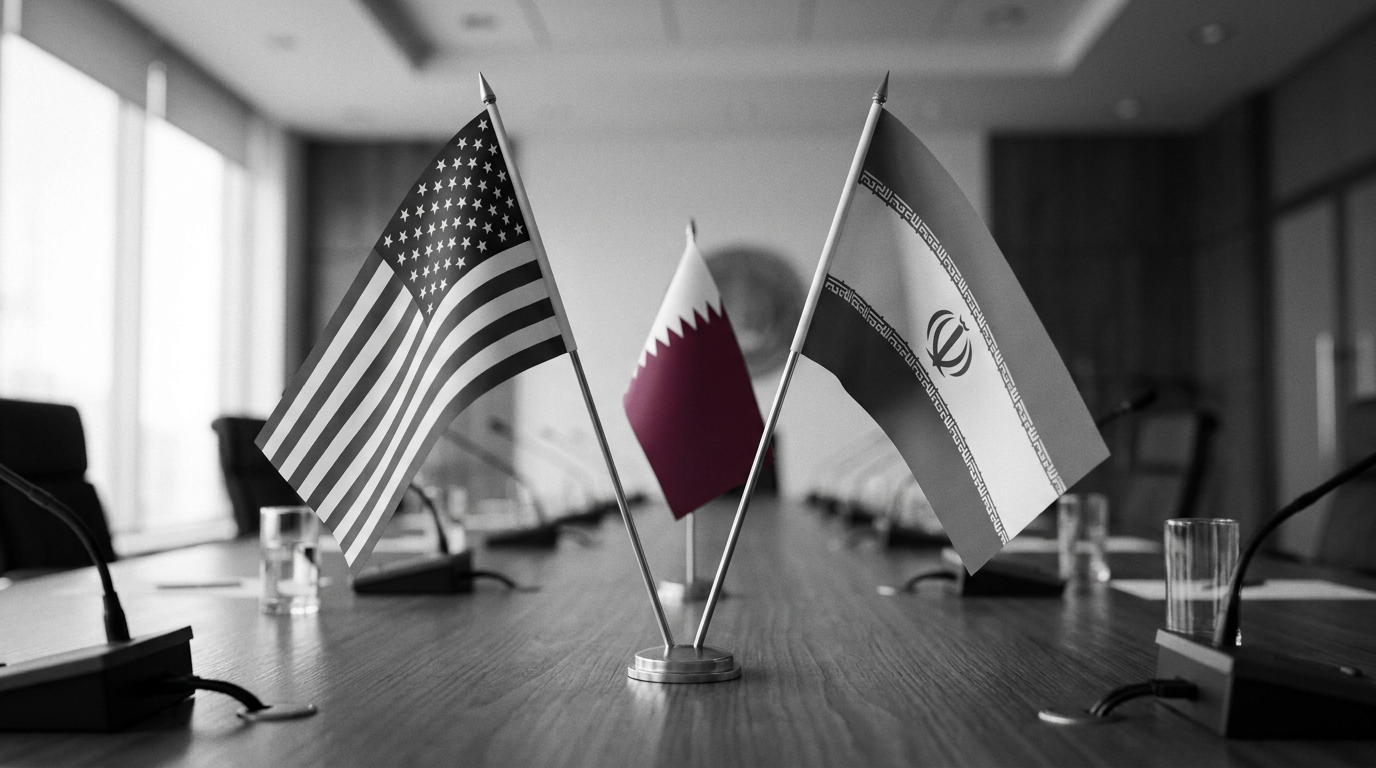
The U.S. and Iran have entered technical talks in Doha on Wednesday aimed at securing shipping through the Strait of Hormuz and extending a ceasefire arrangement, officials said. Qatar and Pakistan are mediating the discussions after a recent interim accord, with maritime access at the center of the bargaining.
Reaction pending. The talks matter for energy markets because the strait is a critical transit route for oil and gas shipments, and even limited uncertainty can affect freight decisions, insurance pricing and risk hedging.
Hormuz lanes frame Doha bargaining
Officials said Iran is seeking recognition of its control over the strait and the release of frozen assets. The U.S. side is prioritizing unimpeded traffic, making navigational guarantees the immediate test of whether the interim accord can be converted into a durable arrangement.
If the talks produce enforceable shipping assurances, the first effect would be geopolitical de-escalation around a key energy corridor. For Iran, asset-release language would shape the domestic and fiscal value of any agreement. For shipping, oil and insurance markets, clearer passage rules could reduce operational uncertainty.
If the talks stall instead, the ceasefire would remain exposed to disputes over sovereignty, enforcement and access. That would leave global energy traders pricing a higher risk premium, keep Iran under financial pressure tied to frozen assets, and force carriers to weigh route, cover and cargo timing decisions more carefully.
Over the 24 hours after July 1, 2026, the clearest signal will be whether mediators announce a written mechanism for Hormuz traffic or only further consultations.