US-Iran naval fire puts Hormuz in focus
The exchange links a Gulf flashpoint to US defense capacity and the southeastern Connecticut shoreline.
Mateo Fernandez ·
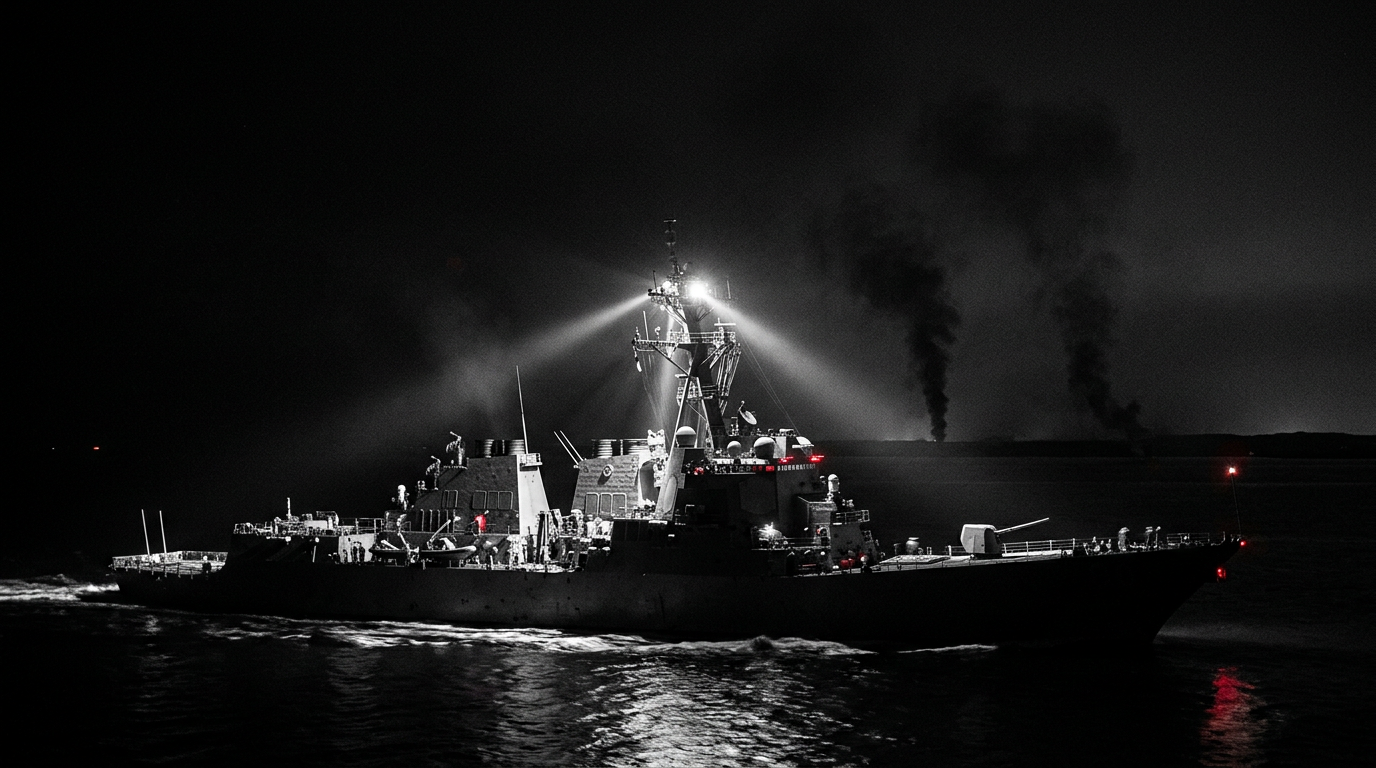
Officials said American warships traded fire with Iran in the Strait of Hormuz this week, putting a key oil route and US defense capacity in focus. Reaction pending.
The episode links a distant naval exchange to southeastern Connecticut’s shoreline, where military infrastructure and industrial capacity sit close to local communities. The available details did not include casualty, damage or shipping-disruption figures.
Hormuz fight reaches Connecticut
The Strait of Hormuz is the immediate geopolitical axis.
If the exchange remains limited to naval units, the main market channel is risk pricing around energy cargoes, insurance costs and allied naval deployments.
If transit through the waterway is disrupted, the pressure would move more directly into crude supply expectations, shipping routes and defense procurement. That would make the conflict relevant not only for commanders in the Gulf, but also for US yards, suppliers and coastal communities tied to naval readiness.
For southeastern Connecticut, the issue is capacity. A higher operating tempo at sea can translate into closer scrutiny of maintenance backlogs, shipbuilding schedules and the workforce that supports military vessels.
The next checkpoint is Monday, September 21, 2026, when officials are expected to face questions on whether the exchange was contained, whether commercial shipping was affected and whether additional US deployments are planned.