US-Iran missile barrages dim quick conflict resolution
The renewed exchange raises the risk of a wider war that could pull more countries into the conflict.
Mateo Fernandez ·
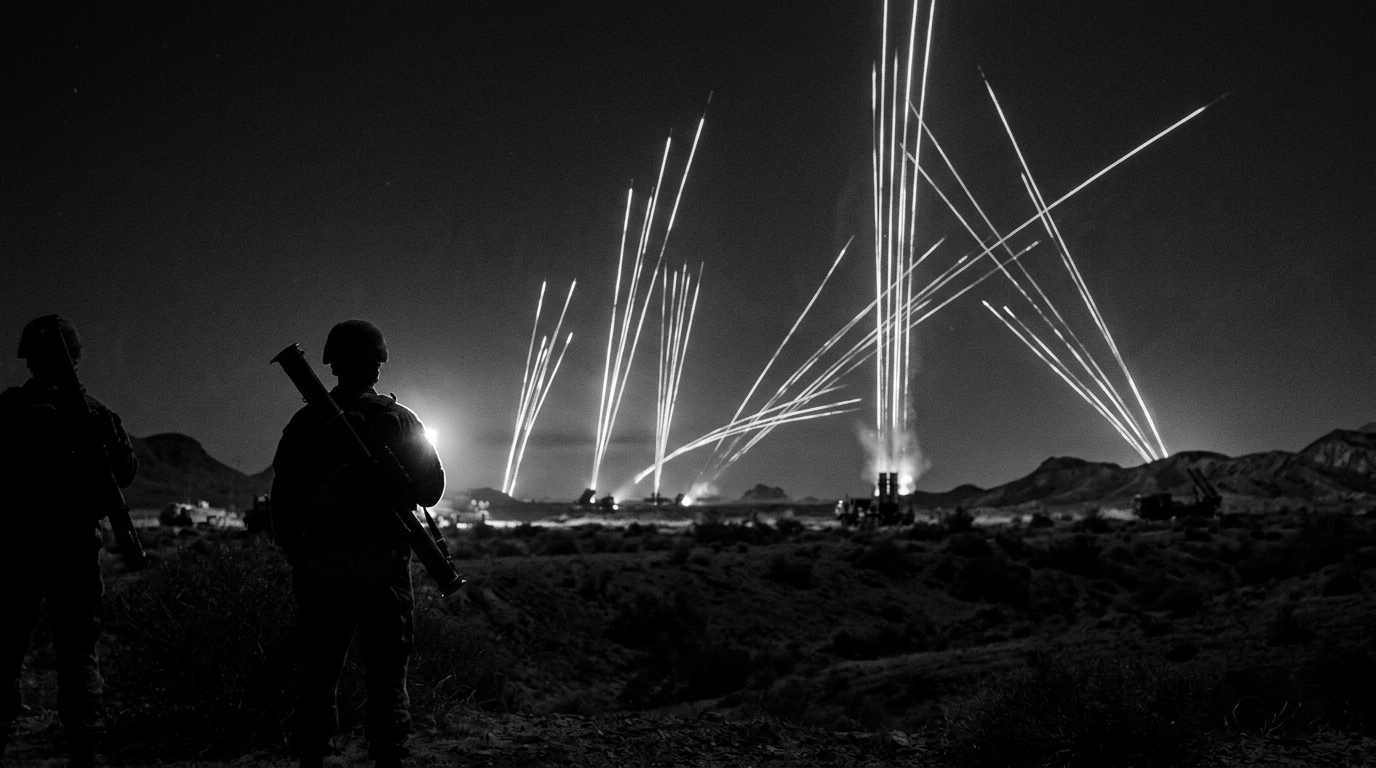
Officials said the United States and Iran traded missile barrages on July 30, deepening a five-month conflict and reducing expectations for a quick settlement. Reaction pending. The exchange adds a fresh geopolitical shock for energy, equity and rates markets already sensitive to any disruption risk tied to the Gulf region.
The renewed fighting threatens to draw more countries into the war, officials said. That risk matters because escalation can move through markets before physical supply is disrupted: oil traders price possible chokepoints, investors cut exposure to risk assets, and bond markets reassess inflation and haven demand.
US-Iran barrages widen oil risk
For Washington and Tehran, the immediate question is whether the latest barrage remains a contained exchange or becomes the start of a broader campaign. A contained path could keep the conflict costly but limited, with markets focused on diplomatic signals and shipping security. A broader path would raise the probability of regional retaliation, higher energy risk premiums and sharper pressure on global growth expectations.
The company-level effects would depend on exposure. Airlines, shippers and energy-intensive manufacturers face higher fuel and insurance costs if the conflict affects transit routes or crude prices. Oil producers could benefit from price support, while refiners and consumers would face margin pressure if crude rises faster than demand can absorb.
By July 31, 2026, governments and markets will be watching for confirmation of further strikes, diplomatic contact, or military restraint. The key uncertainty is whether outside powers treat the latest exchange as a reason to mediate or prepare for deeper involvement.