Iran oil threat sharpens Washington’s Gulf deterrence test
Iran’s threats against oil infrastructure have become a key Gulf security test. Sanctions, maritime insecurity, and regional politics heighten the risk.
Lauren Collins ·
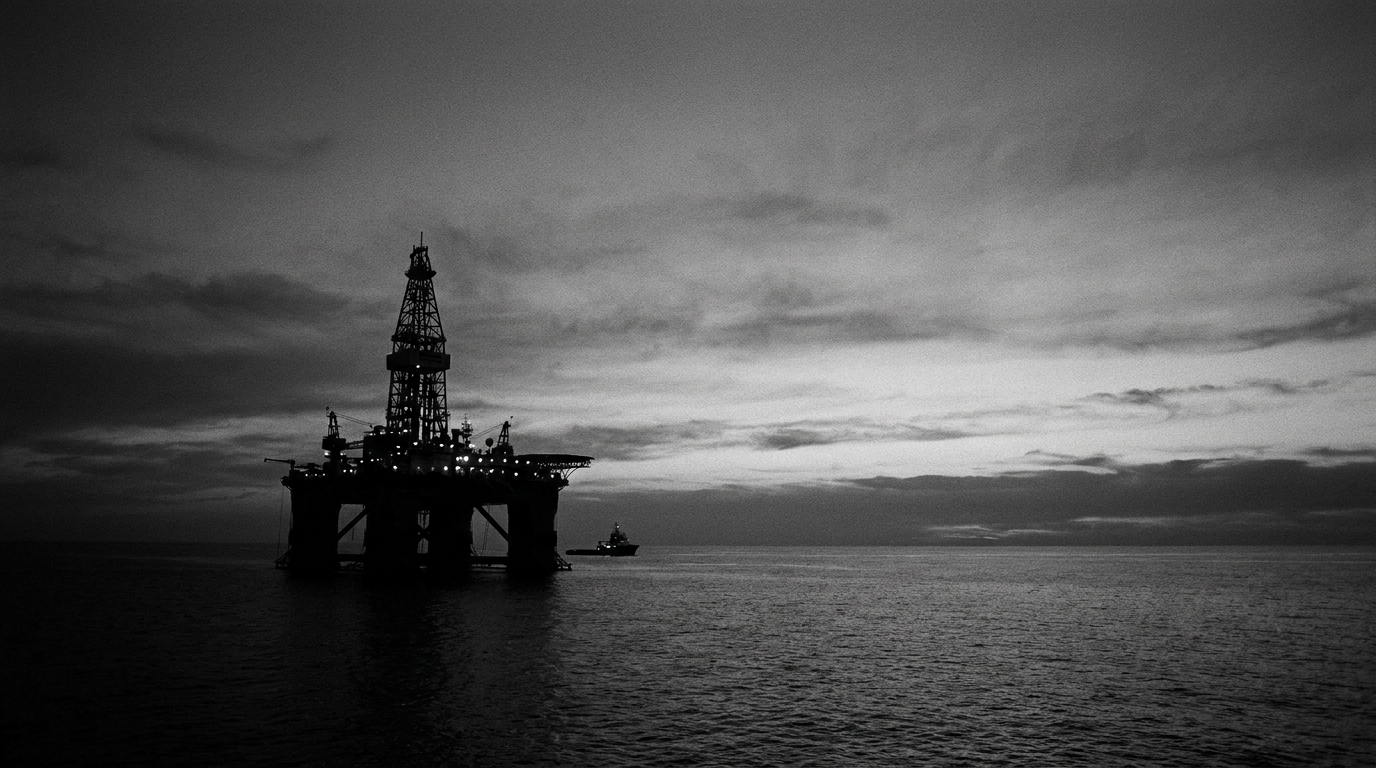
Iran oil threat sharpens Washington’s Gulf deterrence test
Washington faces a sharper Gulf deterrence problem after Mohammad Bagher Ghalibaf, Iran’s parliament speaker, was reported to have threatened to stop oil trade and to have warned that regional infrastructure would not be safe. A Bahraini analyst described the language as a dangerous escalation because it blurs the line between U.S. pressure on Tehran and the economic lifelines of Gulf states.
For the White House, the statement matters because it turns a familiar sanctions dispute into a test of whether Iran can raise costs outside its borders without triggering a U.S. response. For the Pentagon and National Security Council, the practical question is whether a threat against oil routes, ports, platforms or energy networks is propaganda, coercive signaling, or a preview of action.
The United States has long used sanctions to restrict Iran’s access to revenue, banking channels, weapons procurement and energy trade. Tehran has repeatedly argued that those measures are economic warfare, while U.S. administrations have framed them as leverage over Iran’s nuclear program, missile development and support for armed groups across the Middle East.
The Gulf is the place where that pressure can become a global problem quickly. Oil exports, tanker traffic and energy infrastructure are not just local assets; they connect producers in the Gulf to refiners, insurers, shippers and consumers across Asia, Europe and North America. Any credible threat to those flows can raise risk premiums even before a barrel is physically blocked.
That is why Ghalibaf’s language is different from routine anti-U.S. rhetoric. If Tehran hints that no infrastructure is safe, Washington has to assume the target set could include commercial vessels, ports, offshore platforms, pipelines, desalination-linked power facilities, or digital systems that manage energy operations. The ambiguity is useful for Iran because it creates anxiety without requiring immediate action.
The United States also has to read the statement through the record of Gulf confrontation. Previous episodes involving tanker seizures, drone and missile attacks, and proxy pressure have shown that Iran and aligned groups can impose costs below the threshold of open war. That gray zone has frustrated U.S. deterrence because every response carries two risks: doing too little invites repetition, while doing too much can widen the conflict.
Congress will view the issue through a different lens. Lawmakers skeptical of diplomacy with Tehran are likely to press the administration to show that sanctions and military deterrence can work together. Lawmakers wary of another Middle East conflict will ask whether an escalatory public posture could make an attack more likely rather than less.
The regional politics are just as sensitive. Gulf governments rely on U.S. security guarantees, but they also have to protect trade, investment and domestic stability. If they conclude that Washington cannot deter attacks on economic infrastructure, they may hedge more visibly, seek quiet arrangements with Tehran, or press the United States for stronger air, missile and maritime defenses.
For the White House, the immediate challenge is credibility. A public Iranian threat against oil trade gives Washington less room to treat a later attack as isolated or deniable. If a tanker, port or platform is hit after such language, U.S. officials would face pressure to connect the incident to the warning and to impose a cost that Gulf partners can see.
The Pentagon’s problem is operational. It can increase patrols, improve intelligence sharing, deploy air and missile defenses, and help partners harden energy sites. None of those steps fully removes the threat of mines, drones, cruise missiles, cyberattacks or proxy strikes. Deterrence in this setting depends not only on U.S. capability, but on whether Tehran believes Washington will use it.
The economic channel is the reason this is a Washington story, not only a regional one. A disruption in Gulf energy infrastructure would feed into shipping costs, insurance pricing and oil market expectations. Even a limited incident could force the administration to explain how it is protecting global supply while maintaining pressure on Iran.
Iran may also be trying to project strength at a moment when pressure from sanctions and regional isolation makes restraint look costly at home. A threat against oil trade allows Tehran to tell domestic audiences that it can hurt its adversaries economically. But the same language narrows its room to de-escalate if regional actors call the bluff.
The most dangerous path would be a calibrated strike designed to avoid mass casualties while proving that the threat was real. Such an attack could target a vessel, an offshore facility, a port network or an energy company’s digital systems. Washington would then have to decide whether to respond militarily, expand sanctions, expose intelligence, or combine all three.
A second path is intimidation without impact. If Iran limits itself to rhetoric, naval harassment or deniable cyber probing, Washington may try to keep allied shipping moving while avoiding a cycle of retaliation. That outcome would lower the immediate risk of war but leave the deterrence question unresolved.
A third path is a diplomatic off-ramp. If Gulf states quietly press both Washington and Tehran to contain the episode, the threat could fade without a public concession. The problem is that private de-escalation rarely reassures markets or Congress unless it is paired with visible steps that make infrastructure safer.
The falsifiable test is whether any direct attack on oil tankers, offshore platforms, port facilities in the Gulf, or a significant cyberattack against critical energy infrastructure occurs by 2024-08-15. If it does, the thesis is right only if Washington responds rapidly and publicly, ties the response to the reported warning, and convinces Gulf partners that deterrence has been restored; it is wrong if an attack is followed by a delayed or limited response that regional governments read as permission for Iran to gain tactical leverage without strategic cost.