US, Iran contest Hormuz as attacks widen
Rival claims over the Strait of Hormuz raise energy-security risks as attacks and alerts spread near Gulf military hubs.
Mateo Fernandez ·
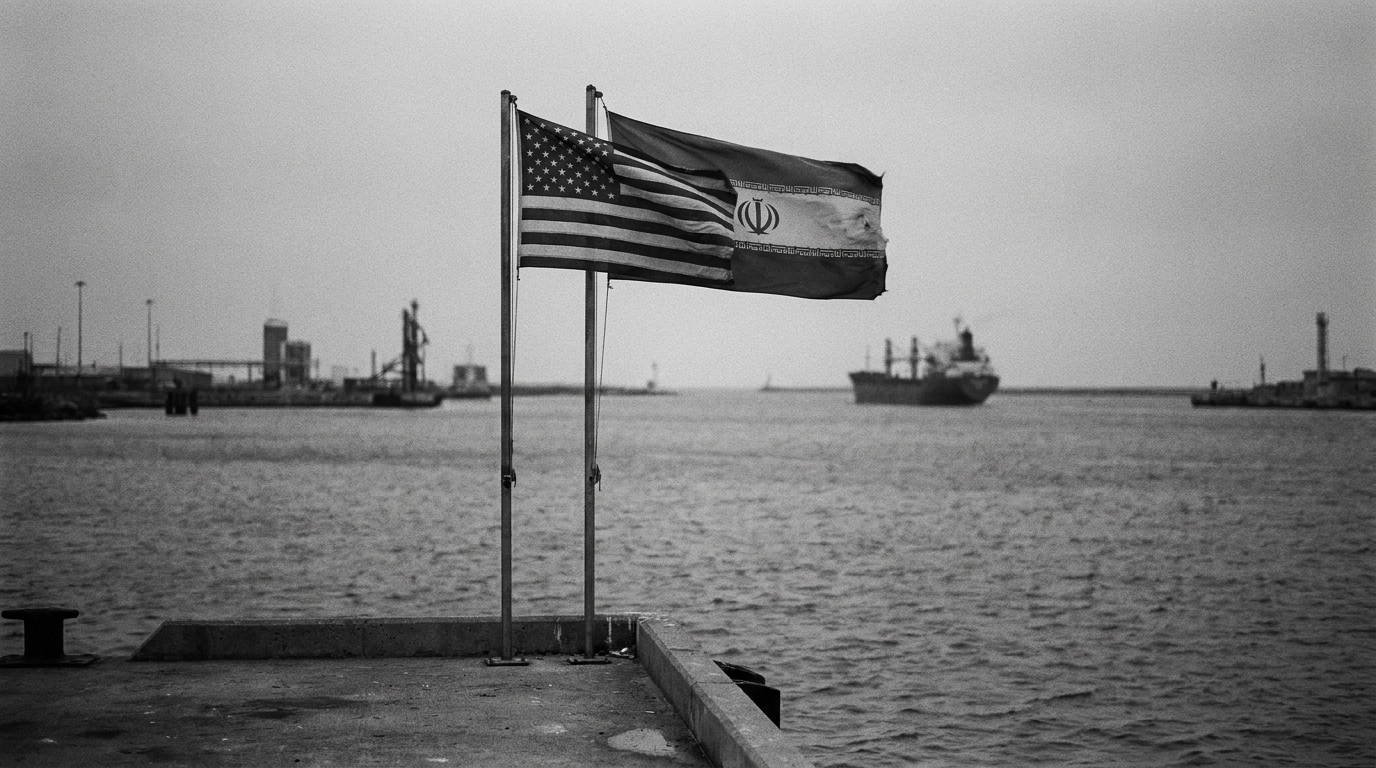
The US and Iran traded claims over control of the Strait of Hormuz on July 13 after new attacks across the Middle East put a critical energy waterway back at the center of regional risk. Reaction pending.
US officials said American forces struck dozens of Iranian sites, including air defense systems and radar. Iran rejected the US account and asserted its territorial claim over the Strait of Hormuz, a vital passage for global energy supplies.
Strait of Hormuz claims sharpen
The dispute raises the stakes for diplomacy aimed at ending the war because it links military escalation to a waterway that energy markets treat as a strategic choke point. Any sustained threat to transit would matter beyond the Gulf by feeding risk premiums into oil, shipping and insurance costs.
Missile alert sirens sounded in Bahrain, officials said, underscoring the proximity of the confrontation to US military infrastructure. Bahrain hosts the US Navy's Fifth Fleet, making alerts there a direct signal to governments and traders watching whether the confrontation remains contained.
The immediate risk is less a formal closure than a cycle of strikes, alerts and counterclaims that increases the chance of miscalculation. If attacks remain limited, diplomacy may keep energy flows from becoming the central pressure point; if either side tests control of the waterway more directly, the shock would move quickly into geopolitics and commodity supply chains.
By July 14, the key test will be whether officials report further strikes, maritime warnings or new military alerts around the Gulf.