US fires about 50 Patriot interceptors in one day
US officials said forces fired about 50 Patriot interceptors on Aug. 12, 2026 after larger, more complex Iran missile and drone salvos.
Mateo Fernandez ·
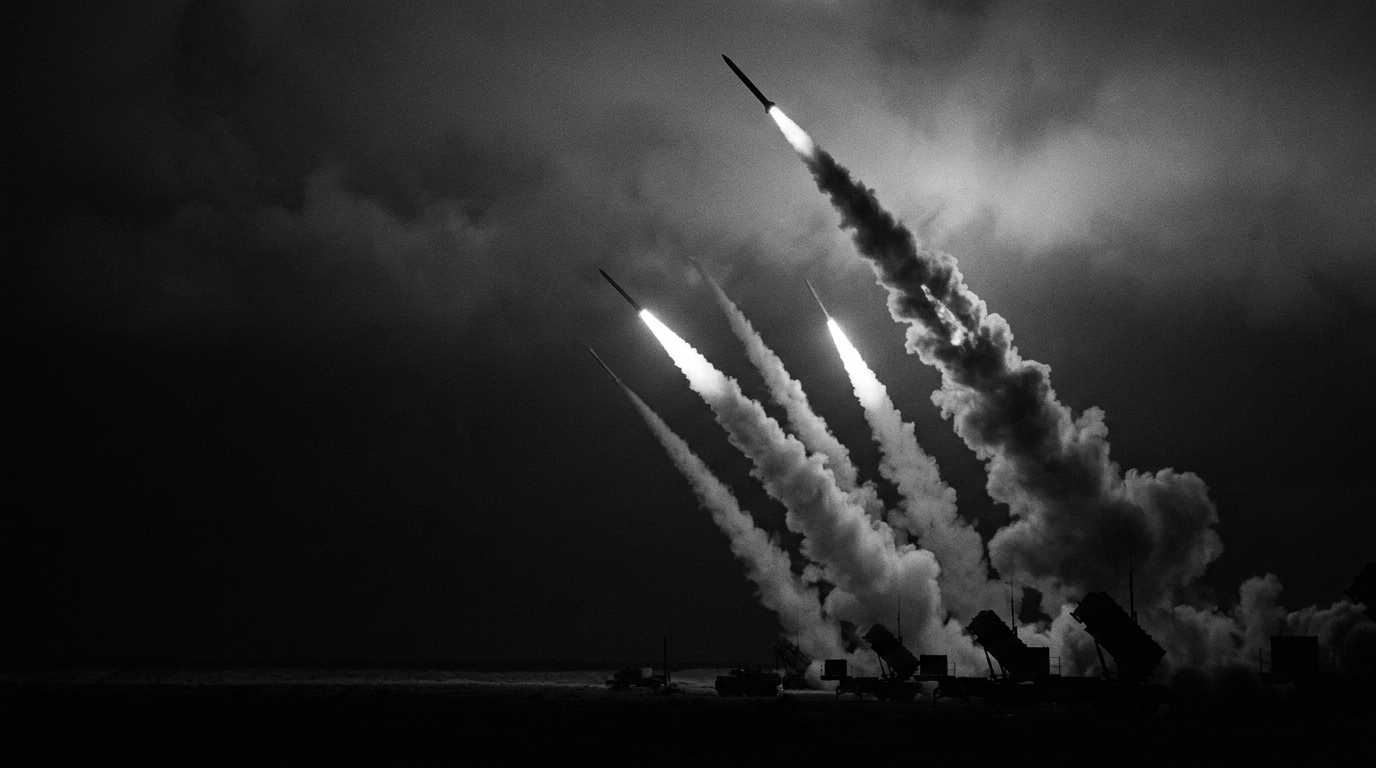
U.S. forces fired about 50 Patriot interceptors in a single day on August 12, 2026, officials said, citing what they described as larger and more complex missile and drone salvos from Iran.
Officials attributed the high number of launches to the size and coordination of the incoming waves, saying the pace of attacks required repeated interceptor firings as threats continued to arrive. They also stressed that each intercept consumes a missile that must be replaced.
Patriot stockpiles tested by higher-tempo salvos
Officials said the recent tempo of missile and Officials said the recent tempo of missile and drone salvos has increased pressure on interceptor stockpiles and on resupply pipelines in the region. In their account, the scale of the incoming threat set forced a rapid expenditure of Patriot missiles in a short timeframe. U.S. forces use Patriot interceptors as expendable munitions against tactical missiles and drones, meaning operational success in defense translates directly into inventory drawdowns that have to be replenished. Officials said this dynamic is now sharpening attention on whether forward-positioned inventories can support sustained activity at similar rates. Resupply timelines and forward inventories under scrutiny Officials said the spike in Patriot usage is renewing questions about how much inventory is held forward, how quickly replacements can be delivered, and whether in-theater depot stocks are sufficient if high-tempo interception continues. They described the operational pace as a strain that links tactical defense decisions to supply planning and transport capacity.
The officials’ description of the events was single-sourced to those officials. As a result, key operational details of the incoming salvos, including the full scale and sequencing of the attacks, were not independently confirmed in the source material.
Analysts who track defense logistics said replenishment is shaped by production capacity and by contractual delivery schedules for replacement interceptors. In that framework, the immediate question becomes how quickly inventories can be rebuilt after rapid daily expenditures, and whether normal delivery timelines can match the pace of use described by U.S. officials.
Pentagon decision points ahead of August 20
Analysts said attention is now on whether the Pentagon seeks accelerated deliveries or emergency congressional funding by August 20, 2026. They said such a step would indicate an expectation of continued high interception rates and would activate production and budget mechanisms tied to replacement stocks.
Officials said the latest spending rate highlights how missile-defense operations can quickly turn into a logistics and procurement issue. They added that the evolving tempo of attacks is increasing the importance of forward inventories and reliable resupply pipelines for forces operating in the region.