US, China Hold Paris Trade Talks Amid Summit Hopes
US and China officials met in Paris on March 15, 2026, for trade talks to prepare for a potential summit between Presidents Trump and Xi.
Lauren Collins ·
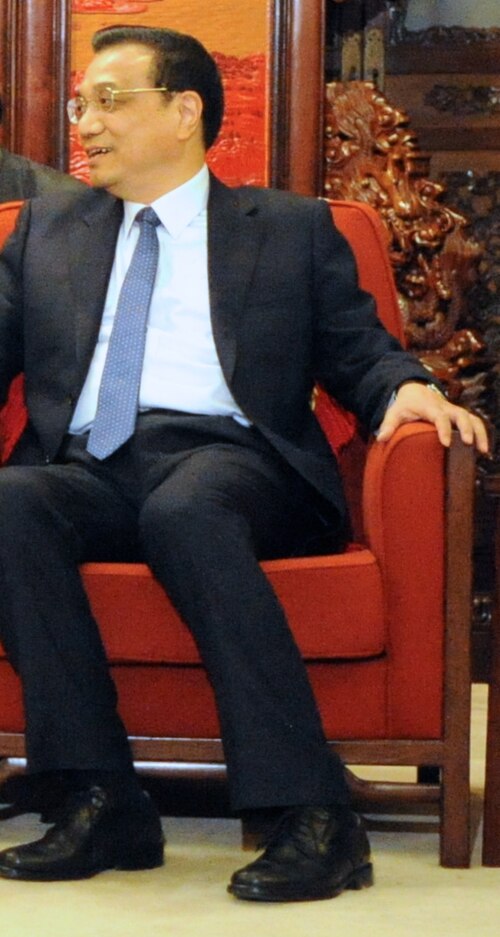
Representatives from the United States and China convened in Paris on Friday, March 15, 2026, for preliminary trade discussions. These talks are designed to lay the groundwork for a potential future summit between U.S. President Donald Trump and Chinese President Xi Jinping. The primary objective is to address persistent trade imbalances and resolve existing disputes that have previously strained economic relations between the two global powers.
Diplomatic Engagement in Paris
The high-level meeting in the French capital involved key trade officials from both nations. The discussions focused on identifying common ground and potential solutions to long-standing trade friction. This engagement signals an ongoing effort to manage the complex economic relationship between Washington and Beijing.
Context of Bilateral Trade Relations
The United States and China have experienced periods of significant trade tension, characterized by the imposition of tariffs and retaliatory measures. These actions have introduced considerable uncertainty into global markets and supply chains. The current talks represent a diplomatic channel to de-escalate these tensions and explore avenues for more stable trade practices.
Objectives of the Preliminary Discussions
Officials aimed to establish a constructive framework for future negotiations. Key areas of focus likely included intellectual property rights, market access, and subsidies, which have been central to past disputes. The success of these preparatory discussions is crucial for determining the viability and agenda of a potential presidential summit.
Implications for Future Leadership Summit
The outcome of the Paris talks will directly influence the feasibility and scope of a meeting between President Trump and President Xi. A productive preliminary session could pave the way for a high-level dialogue aimed at forging a more comprehensive trade agreement. Conversely, a lack of progress might delay or even jeopardize such a summit.
Global Economic Significance
As the world's two largest economies, the trade relationship between the U.S. and China has profound implications for global economic stability. Any progress towards resolving trade disputes could reduce uncertainty, boost investor confidence, and positively impact international trade flows. Conversely, continued friction could exacerbate existing economic headwinds.
Outlook for Trade Policy
These discussions underscore a continued commitment from both sides to engage diplomatically on trade matters. While immediate breakthroughs are not anticipated from preliminary talks, they are essential for maintaining communication channels and exploring pathways to a more predictable and mutually beneficial trade environment. The global community will closely monitor subsequent developments for signs of de-escalation or renewed tensions.
Implications
Country Impact: The United States and China are seeking to stabilize their economic relationship, which could alleviate domestic pressures from businesses affected by tariffs. For other nations, a more predictable U.S.-China trade environment could reduce economic uncertainty and foster greater stability in global supply chains.
Industry Impact: Industries heavily reliant on U.S.-China trade, such as technology, manufacturing, and agriculture, could see reduced volatility. Progress in talks might lead to a reassessment of supply chain strategies and investment decisions that were previously influenced by trade tensions.
Market Impact: Global financial markets, including equities, bonds, and commodities, often react to developments in U.S.-China trade relations. Positive signals from these talks could lead to increased investor confidence, while setbacks might trigger market caution and volatility.