U.S. Strikes Iran; Tehran Says Strait of Hormuz Closed
The U.S. launched strikes against Iran, leading Tehran to close the Strait of Hormuz, escalating regional tensions and impacting global shipping.
Lauren Collins ·
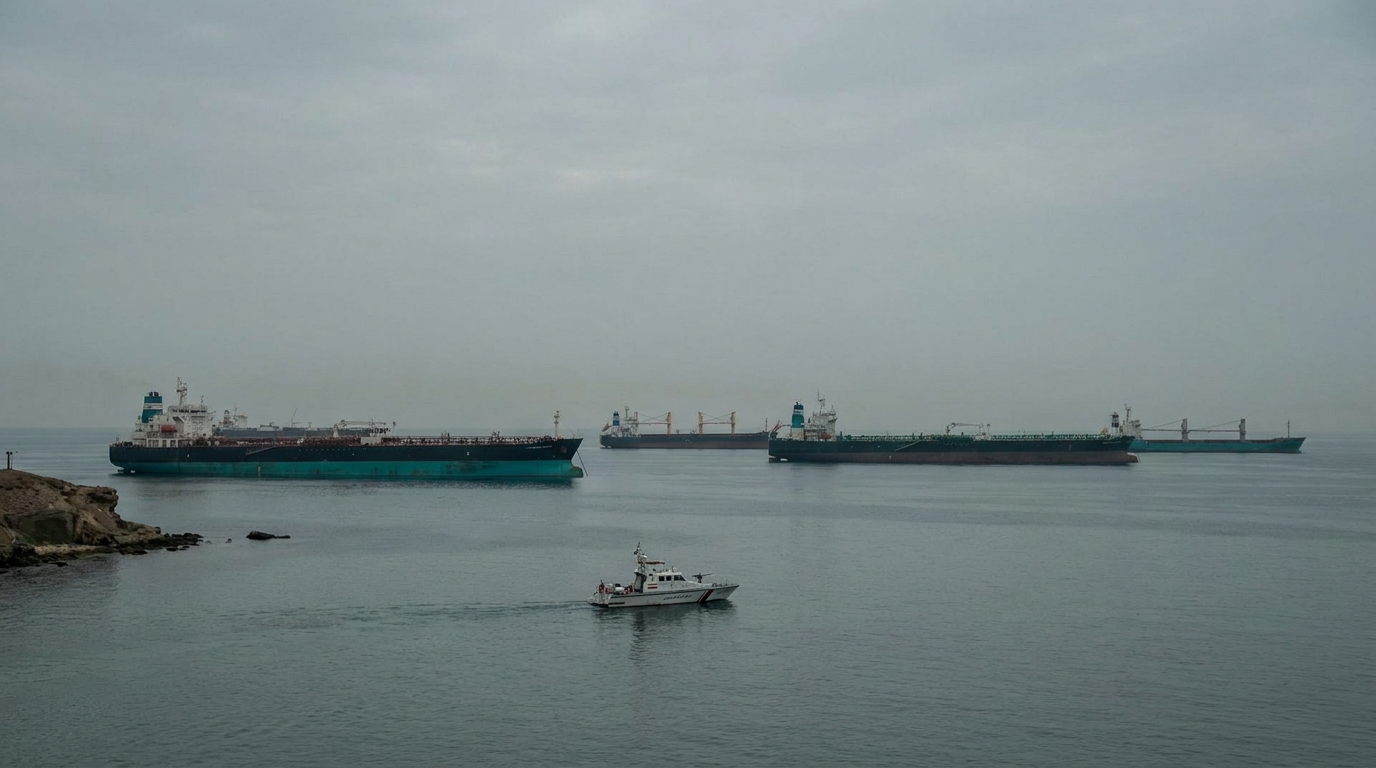
The United States launched new strikes on “multiple targets” in Iran late Wednesday, June 10, 2026, after President Donald Trump directed the operation, U.S. officials said. Iran’s Islamic Revolutionary Guard Corps accused Washington of violating an April ceasefire and said it had closed the Strait of Hormuz to “all types of vessels” until further notice.
Iranian state media reported explosions on Qeshm Island and in the cities of Bandar Abbas and Sirik along the strait. Blasts were also reported in the southern city of Kargan, where at least two people were wounded, according to the same reports.
The U.S. military described the strikes as a response to what it called Iran’s “unwarranted and continued aggression.” The latest escalation followed a day of tit-for-tat strikes between the two countries, according to officials.
IRGC claims shipping hit as traffic is halted
The IRGC said the closure would affect all traffic through the waterway, including oil tankers and commercial vessels. It also rejected earlier U.S. claims that it had helped ships pass through the strait, according to Iranian statements.
Iran later said two oil tankers attempting to pass through the strait were hit, without providing further details. The U.S. did not immediately confirm the claim in the material cited.
Energy market risks focus on a key oil chokepoint
The Strait of Hormuz is one of the world’s most important shipping routes for crude oil and other energy exports. Roughly one-fifth of global oil supply moves through the narrow waterway each day, leaving markets sensitive to disruptions or military activity in the area.
Earlier, Trump said the United States would strike Iran “very hard.” Iranian President Masoud Pezeshkian condemned the threat in a post on X, saying Iran would stand firm against pressure and warning against targeting what he called critical infrastructure.
Officials and traders will be watching for confirmation of the strait’s status, any further strikes, and signs of impacts on maritime traffic and energy prices.